
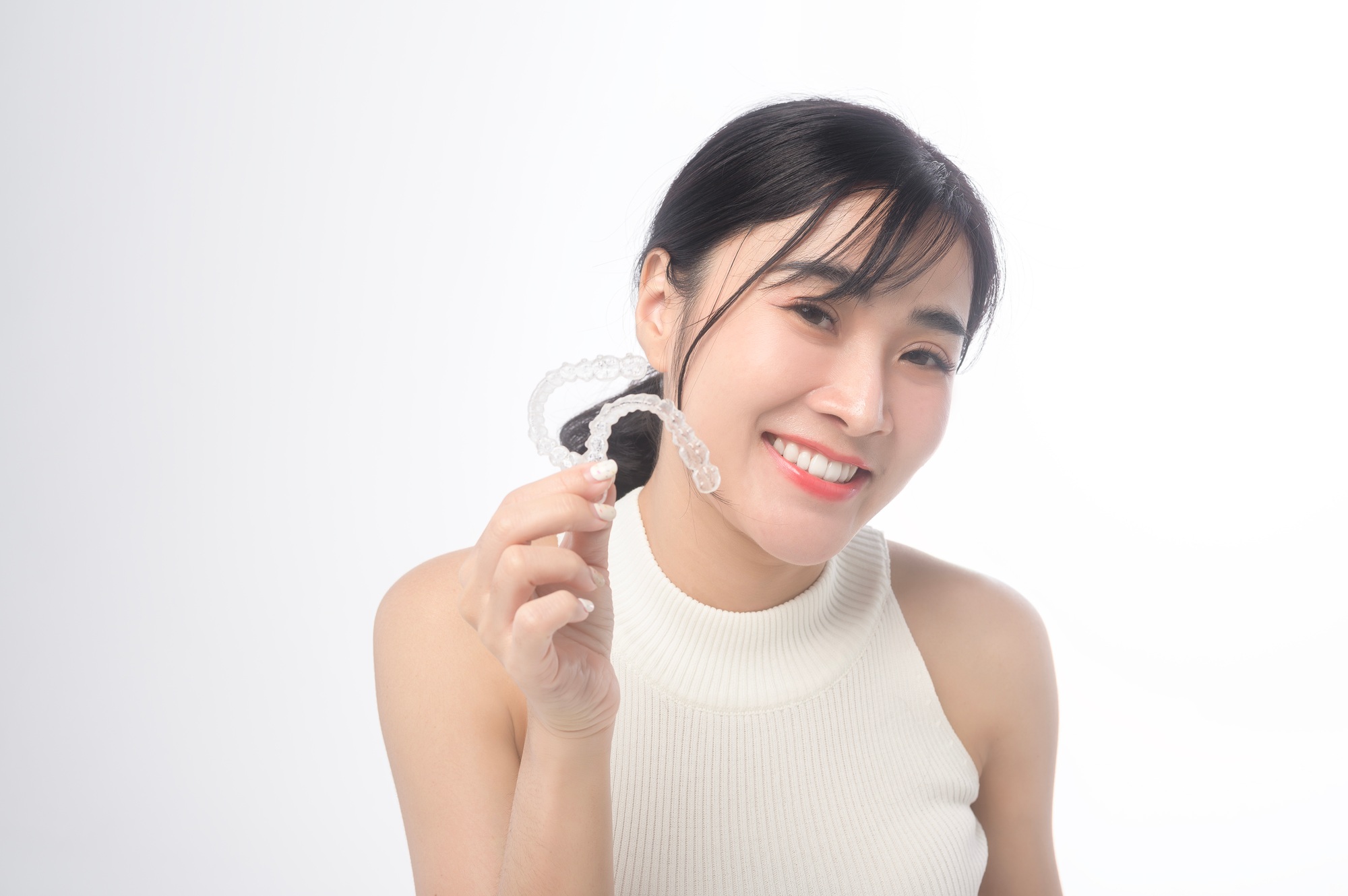
Orthodontic Treatment Overview
Orthodontic treatment is a significant decision for both you and your child. Understanding the differences between braces and clear aligners can help guide your choice.
Braces vs. Clear Aligners
When comparing braces and clear aligners, there are multiple factors to consider. Braces consist of metal brackets and wires and are often more visible, but they can effectively address a wide range of orthodontic issues, including complex cases.
Clear aligners, such as Invisalign, are a popular alternative. They are transparent and removable, offering greater flexibility and comfort, making them especially appealing for adults and image-conscious teens. The cost for aligners generally ranges between $1,800 and $8,000 and may vary based on the complexity of your case and provider. Additionally, many insurances, such as clear aligners with BCBS orthodontic coverage and invisalign that accepts delta dental insurance, may help cover costs.
Here’s a comparison table of braces and clear aligners:
| Feature | Braces | Clear Aligners |
|---|---|---|
| Visibility | Metal or ceramic visible | Nearly invisible |
| Removability | Fixed in place | Removable |
| Comfort | Can cause irritation | Generally more comfortable |
| Treatment time | Varies; typically longer | Varies; many patients report quicker results |
| Complexity | Handles complex issues | Best for mild to moderate cases |
Factors Influencing Choice
When deciding between braces and clear aligners, several factors should come into play:
-
Age and Lifestyle: Younger children may benefit from braces due to their ability to correct complex issues. Conversely, adults and teens might prefer clear aligners for aesthetic reasons and lifestyle compatibility.
-
Treatment Duration: Clear aligners can often lead to faster results in mild and moderate cases. It is important to consult with a provider to understand the expected timeline based on your specific situation.
-
Insurance and Affordability: Consider your insurance options. Depending on your plan, you may find that one treatment is better covered than the other. Many insurers offer insurance coverage for Invisalign treatment and related options.
-
Personal Preference: Some individuals may simply prefer the aesthetics and convenience of clear aligners to traditional braces.
By weighing these aspects against your unique needs and preferences, you can make an informed decision about your orthodontic treatment. For guidance on locating a provider who accepts major insurance, refer to our sections on different providers.
Choosing the Right Provider
Finding the right provider for Invisalign treatments is crucial to ensure effective orthodontic care. You should consider three key factors: certification, location proximity, and patient reviews.
Importance of Certification
Selecting a certified orthodontist is essential since only about 25% of orthodontists are board-certified by the American Board of Orthodontists (ABO) (Ahava Orthodontics). Board certification indicates that an orthodontist has completed specialized training and has passed comprehensive examinations, making them highly qualified to provide Invisalign treatment. Choosing a provider with the proper Invisalign training guarantees that they possess the requisite skills and knowledge to navigate the treatment process efficiently (Fresh Dental).
Provider Location Proximity
Another important factor to consider is the location of the Invisalign provider. Ideally, the provider should be situated near your home, office, or school. Regular visits every 8-10 weeks are necessary to obtain new trays and monitor your progress. Easy access to the provider can help you keep your appointments timely and maintain the treatment schedule (Ahava Orthodontics).
| Aspect | Ideal Condition |
|---|---|
| Location | Close to home, office, or school |
| Appointment Frequency | Every 8-10 weeks |
Patient Reviews Evaluation
Patient reviews provide valuable insights that can inform your decision. They reveal information about the provider’s care quality, trustworthiness, and effectiveness in treating patients of different ages. Read online reviews and testimonials to gather honest feedback about their experiences. This information can help you gauge the level of care and results you can expect from the provider (Ahava Orthodontics; Fresh Dental).
| Review Aspect | Importance |
|---|---|
| Care Quality | Indicates overall satisfaction |
| Trustworthiness | Essential for a positive experience |
| Age Specialization | Important for families with children |
By carefully considering these factors, you can make a more informed choice when searching for the best Invisalign provider that takes your insurance, ensuring a smoother and more effective orthodontic journey. For more information, explore our articles on Invisalign treatments or insurance that covers Invisalign treatment.
Provider Expertise and Experience
Choosing the right provider for your Invisalign treatment is critical to achieving the best results. It’s essential to consider their expertise and experience, particularly when it comes to handling complex orthodontic cases.
Invisalign Elite vs. Diamond Providers
Invisalign categorizes its providers based on their level of experience and the number of cases they manage annually. Invisalign Elite providers belong to the top 1% of providers, having completed at least 200 Invisalign treatments within a single year. This level of expertise signifies a significant dedication to the craft, often resulting in better treatment outcomes for patients.
Diamond Providers are also highly experienced orthodontists who possess substantial knowledge of the Invisalign system. These providers are equipped to handle complex cases, ensuring that your treatment is managed effectively. Their advanced skills allow them to tackle challenges like overbites and other orthodontic issues with confidence.
| Provider Type | Case Requirement | Expertise Level |
|---|---|---|
| Invisalign Elite | 200 cases/year | Highest |
| Diamond Provider | Variable | High |
| General Provider | None specified | Variable |
Choosing a provider from either of these categories can significantly enhance your treatment experience and results.
Provider Certifications
It is crucial to select an Invisalign-certified provider when seeking treatment. Only those with proper training and certification can offer Invisalign aligners. The expertise that comes with certification ensures that your orthodontist is well-equipped to guide you through the process. About 25% of orthodontists are board-certified by the American Board of Orthodontists (ABO), which highlights the importance of finding a provider with additional training and knowledge. Ahava Orthodontics emphasizes that this certification is critical for quality care.
Handling Complex Cases
Experienced providers, particularly those recognized as Diamond Providers, excel in managing complex cases. These situations often involve more intricate orthodontic issues requiring a thorough understanding of the Invisalign system. An experienced provider can make a significant difference in the outcome of complex cases, ensuring that the treatment meets both the patient’s and the orthodontist’s standards. Quality care should prioritize the traditional beauty and alignment of teeth, which relies heavily on the provider’s skills and experience (Fresh Dental).
For patients considering treatment, evaluating the provider’s experience, certifications, and ability to handle complex cases is essential in finding the best Invisalign provider that takes BCBS and ensures a successful treatment journey.
Technology and Communication
Understanding the technology and communication aspects when selecting an Invisalign provider is crucial. These elements contribute significantly to your overall treatment experience, impacting both the effectiveness of your Invisalign journey and how comfortable you feel with your provider.
Digital Imaging Tools
Modern dental technology plays an essential role in the effectiveness of Invisalign treatment. Providers utilize digital imaging tools to create a detailed 3D model of your teeth, ensuring a precise fit for your aligners. This advanced imaging allows for efficiency in treatment planning, helping both you and the provider visualize the expected results before the treatment begins (Fresh Dental).
| Technology Type | Description |
|---|---|
| 3D Imaging | Creates a digital replica of your teeth for precise aligner fitting. |
| Intraoral Scanners | Eliminates the need for traditional impressions, enhancing comfort. |
| Treatment Simulation Software | Provides a preview of your progress and final outcomes. |
Provider Communication
Open and transparent communication is vital when choosing an Invisalign provider. A responsive provider who takes the time to explain each step of the process and address any concerns increases your confidence in the treatment. Effective communication can significantly enhance your overall experience with Invisalign (Fresh Dental).
Consider the following attributes when evaluating provider communication:
| Communication Aspect | Importance |
|---|---|
| Responsiveness | Quick replies to your inquiries could indicate a high level of care. |
| Clarity | Clear explanations ease concerns and build trust in the treatment process. |
| Patient Education | Providers who educate you about your options empower you to make informed decisions. |
Treatment Visualization
Visual aids play an important role in understanding and tracking your progress. Invisalign providers often employ treatment visualization tools, allowing you to see the projected results as you progress through your treatment plan. This not only motivates you but also helps you understand how the treatment is working.
Utilizing these visualization tools effectively ensures you have realistic expectations about your treatment journey with Invisalign. Many providers utilize software that shows 3D animations or progress charts to monitor the shifts in your teeth over time.
In your search for the best Invisalign provider that takes BCBS, consider how these technology and communication factors will enhance your experience and provide confidence throughout your treatment. For additional assistance, look into the specifics of insurance coverage for Invisalign to ensure you have the support you need.
Financial Considerations
When researching the best options for orthodontic treatment, it’s essential to evaluate the financial aspects involved. Understanding insurance coverage, costs, payment plans, and flexible spending options can significantly impact your decision-making process.
Insurance Coverage Options
Most dental insurance plans include orthodontic benefits that cover Invisalign treatment. You can check coverage specifics with major providers such as Delta Dental, Cigna, Humana, and Premera Blue Cross (Orthodontist Bellevue). Depending on your particular plan, you could qualify for reimbursement or partial payment for your child’s or your own aligner treatment. Here’s a table to illustrate potential coverage based on common insurance providers:
| Insurance Provider | Typical Coverage Amount |
|---|---|
| Delta Dental | Up to $3,000 |
| Cigna | Varies by plan |
| Humana | Varies by plan |
| Premera Blue Cross | Varies by plan |
For detailed insights on specific plans, explore our links about insurance that covers Invisalign treatment.
Costs and Payment Plans
The overall cost of Invisalign treatment can range widely, from $2,500 to $12,000, depending on the complexity of the case (Orthodontist Bellevue). Here’s a breakdown of average costs associated with different treatment scenarios:
| Treatment Complexity | Estimated Cost |
|---|---|
| Mild (Initial Cases) | $2,500 – $5,000 |
| Moderate (Average Cases) | $5,000 – $8,000 |
| Complex (Severe Cases) | $8,000 – $12,000 |
Orthodontic practices usually offer no-interest financing options that can make your payments more manageable. Review available financing options with insurance coverage for more information.
Flexible Spending Accounts
Health Savings Accounts (HSA) and Flexible Spending Accounts (FSA) can be useful tools to offset the costs of Invisalign treatment. These accounts use pre-tax income for qualified healthcare expenses, which can save you money in the long run. Here’s how these accounts work:
| Account Type | Benefits |
|---|---|
| HSA | Can invest unused funds; rollovers to following year; must have high-deductible health plan |
| FSA | Funds must be used within the year; typically employer-sponsored; pre-tax deductions |
Using these accounts intelligently can help ease the financial burden of orthodontic treatment. For more information on clear aligners coverage, explore our articles on clear aligners with BCBS orthodontic coverage and clear aligners for adults with Aetna insurance.
Age and Lifestyle Considerations
When considering orthodontic treatment, age and lifestyle play significant roles in determining the best approach. For both adults and children, understanding how these factors influence treatment can ensure optimal results.
Adults vs. Children
The choice between braces and clear aligners, such as Invisalign, often depends on age. Children and teenagers, who are still undergoing growth and development, may benefit from traditional braces that can guide their teeth into the correct position. Conversely, adults generally prefer clear aligners due to their discretion and comfort.
| Age Group | Preferred Treatment |
|---|---|
| Children (7-18) | Traditional Braces |
| Adults (25-55) | Clear Aligners |
Invisalign is particularly popular among adults because it allows for flexibility; the aligners can be removed when eating or cleaning teeth. However, proper discipline is essential, as the aligners should be worn for 20-22 hours a day for effective treatment.
Treatment Durability and Flexibility
One of the critical factors in selecting orthodontic treatment is its durability and how it fits into your lifestyle. Clear aligners are designed to be both durable and flexible, capable of accommodating the daily life of busy adults. They are less likely to get in the way of professional or social engagements compared to metal braces.
Braces, on the other hand, are more fixed and can be challenging in certain scenarios, such as eating specific foods or maintaining oral hygiene. The table below outlines some key differences in durability and flexibility:
| Treatment Type | Durability | Flexibility |
|---|---|---|
| Clear Aligners | High | High (removable) |
| Traditional Braces | Moderate | Low (fixed) |
Choosing a method that aligns with your lifestyle can lead to a more successful orthodontic experience.
Integrating Treatment into Lifestyle
Integrating orthodontic treatment into daily life is essential for both children and adults. Whether it’s managing wear times for aligners or adapting to life with braces, a few considerations can help:
- Routine Check-Ups: Regular visits to the provider are necessary for both types of treatment. Ensure that your selected provider is conveniently located to keep appointments timely.
- Activity Adjustments: For individuals involved in sports or other physical activities, clear aligners may be preferable due to their non-intrusive nature.
- Dietary Changes: Patients with braces must avoid certain foods that can damage the wires and brackets, while clear aligners allow for a more varied diet.
By weighing age-based preferences, treatment durability, flexibility, and lifestyle integration, you can better navigate your options for orthodontic treatment. For more guidance on providers and insurance coverage, consider exploring our detailed articles on insurance that covers invisalign treatment and invisalign financing with insurance coverage.


