
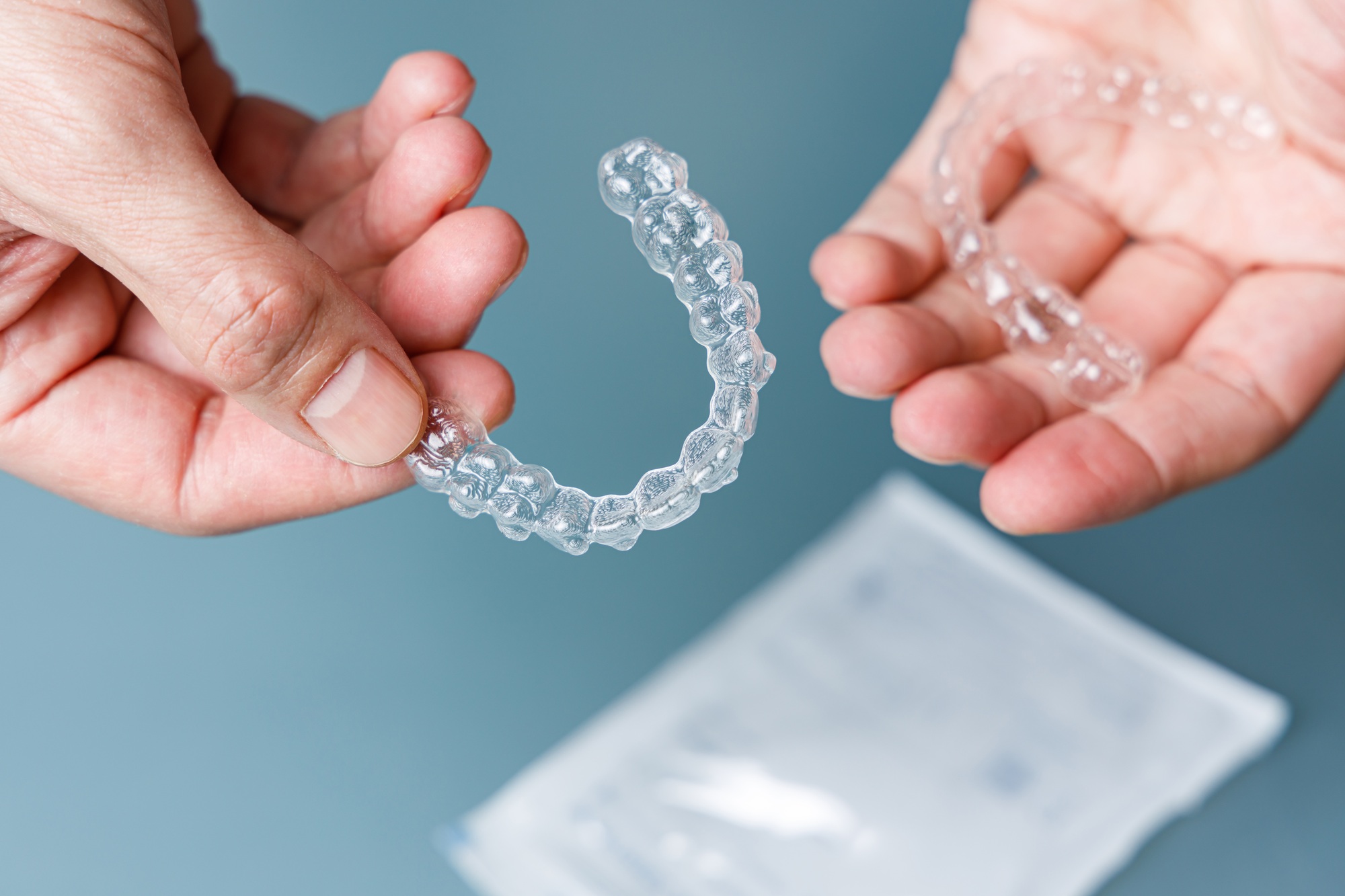
Understanding Orthodontic Treatment
Importance of Orthodontic Care
Orthodontic care is essential for maintaining proper dental alignment, enhancing both function and appearance. Straight teeth can improve chewing efficiency and oral hygiene, reducing the risk of cavities and gum disease. Orthodontic treatment can also alleviate bite issues, which may lead to jaw discomfort and headaches. For parents, early intervention in children’s dental health often results in more effective treatment outcomes.
In addition to physical health, straightening teeth can boost confidence and self-esteem, especially in teenagers and adults. For these reasons, understanding the significance of proper orthodontic care is crucial as you consider treatment options like Invisalign that accept Delta Dental insurance.
Delta Dental’s Coverage Details
Delta Dental provides varying coverage for orthodontic treatments, including Invisalign. Depending on the specific plan, the coverage may include adult orthodontic benefits. Generally, Delta Dental’s Preferred Provider Organization (PPO) plans can cover about 50% of Invisalign treatment costs, though this is subject to deductibles and annual maximums (Open and Affordable).
It’s important to note that insurance coverage may hinge on whether the treatment is deemed medically necessary. In such cases, documentation supporting the need for orthodontic care might be required as part of the claim (Delta Dental).
| Coverage Type | Details |
|---|---|
| PPO Plans | May cover 50% of costs |
| Coverage Criteria | Based on medical necessity |
| Documentation Required | Yes, for medical necessity |
Be sure to review your Delta Dental plan documents or contact your provider directly to understand the specifics of what’s covered, any necessary documentation, and how to maximize your benefits for orthodontic treatments like Invisalign. For additional insights into insurance and aligners, see our article on insurance that covers invisalign treatment.
Braces vs. Aligners: Making the Choice
Choosing between braces and clear aligners like Invisalign can be a significant decision for you and your child. There are several factors to consider, including the needs of the patient, treatment effectiveness, and insurance coverage options such as those offered by Delta Dental.
Factors to Consider
When deciding between braces and aligners, consider the following factors:
| Factor | Braces | Aligners |
|---|---|---|
| Visibility | Metal brackets are visible | Clear aligners are discreet |
| Comfort | May cause discomfort initially | Typically more comfortable |
| Cleaning | Requires careful cleaning | Removable for easy cleaning |
| Flexibility | Fixed treatment | Removable for eating and brushing |
| Treatment Time | Varies, often longer | Usually shorter |
| Cost | Depends on coverage | Check specific coverage |
Braces are effective for more complex dental issues, while aligners can correct mild to moderate cases. Evaluate your specific orthodontic needs, and if you’re seeking options that accept insurance, ensure to explore your in-network clear aligners provider with Aetna or similar plans.
Age Considerations for Treatment
Age can influence the decision on whether braces or aligners are more suitable for treatment.
- Children (Ages 7-12): Early orthodontic intervention is often beneficial. Braces can correct alignment before permanent teeth have fully emerged.
- Teens (Ages 13-18): Many teenagers prefer aligners because of their aesthetic appeal. However, insurance coverage considerations vary by age group; plans can have age-related restrictions that may impact the extent of coverage for treatments like Invisalign. Check whether your plan under Delta Dental offers sufficient coverage for teens.
- Adults (Ages 25-55): Adults can benefit greatly from aligners due to their discreet nature. Many adults prefer the convenience and flexibility of removable aligners, facilitating easier adherence to oral hygiene routines.
Understanding the age-related coverage and limitations under your dental insurance plan, such as those from Delta Dental, will help guide your choice. Refer to Delta Dental’s coverage details to get the most accurate information regarding treatment eligibility based on age.
Evaluating Insurance Coverage
When considering Invisalign treatment, it’s essential to understand how your dental insurance, especially Delta Dental, fits into your financial plans. This section will explore Delta Dental’s PPO and HMO plans in relation to Invisalign coverage.
Delta Dental PPO Plans
Delta Dental’s Preferred Provider Organization (PPO) plans often provide substantial support for Invisalign treatments. Under these plans, members may receive up to 50% coverage of the total treatment costs, but this is subject to deductibles and annual maximum limits.
Here is a breakdown of typical coverage details:
| Feature | Delta Dental PPO Plans |
|---|---|
| Coverage Percentage | Up to 50% |
| Deductibles | Applicable |
| Annual Maximum Limit | Set by plan |
| Medical Necessity Requirement | May apply depending on individual circumstances |
Members are advised to verify their specific plan to understand potential limitations and requirements. Treatment might be covered if it’s classified as medically necessary and supported by appropriate documentation. For a more detailed look at what is covered, you can refer to the information on insurance that covers invisalign treatment.
Delta Dental HMO Plans
Delta Dental’s Health Maintenance Organization (HMO) plans may also offer coverage for Invisalign, but the structure differs significantly. These plans generally have fixed co-payments and more limited provider options for orthodontic services.
Key aspects of Delta Dental HMO plans include:
| Feature | Delta Dental HMO Plans |
|---|---|
| Coverage | May include Invisalign |
| Co-Payments | Fixed amounts for services |
| Provider Network | Limited to specific dentists |
| Medical Necessity Requirement | Often required for orthodontic care |
If you are enrolled in an HMO plan, it is crucial to check which orthodontic providers are in-network, as treatment may only be available through specific specialists. More on navigating orthodontics with HMO coverage can be found in our article related to orthodontist that takes insurance for clear aligners.
In summary, whether you consider a PPO or HMO plan, it is important to familiarize yourself with your specific coverage to make informed decisions regarding your family’s orthodontic care. Checking directly with Delta Dental can provide accurate details about your individual plan and covered treatments.
Cost Considerations for Orthodontics
When considering Invisalign for yourself or your child, it’s essential to understand the associated costs and how geographic location may affect pricing. These factors can significantly influence your decision-making process.
Invisalign Treatment Costs
Invisalign treatment costs can vary widely based on several factors, including the complexity of the case and the provider’s experience. The typical range for Invisalign expenses is between $4,000 and $8,000.
| Treatment Complexity | Estimated Cost Range |
|---|---|
| Low Complexity | $3,500 – $6,500 |
| Moderate Complexity | $4,000 – $7,000 |
| High Complexity | $6,000 – $8,000 |
In higher cost-of-living areas, you may find that prices lean towards the upper end of this spectrum (Open and Affordable).
Regional Cost Variances
The cost of Invisalign can also be influenced by the local cost of living. It’s important to compare prices in your specific area, especially if you’re in cities like Mesa, Tempe, or Chandler. As noted previously:
- In regions with lower living costs, such as parts of Queen Creek or San Tan Valley, Invisalign treatment can range from $3,000 to $6,500.
- In contrast, areas like Gilbert or Florence with a higher cost of living may see prices ranging from $6,000 to $8,000.
Understanding these regional variances can help you budget effectively for orthodontic care. If you are exploring your options for coverage, consider looking into whether your dental insurance, like Delta Dental’s coverage for adults, includes any benefits for Invisalign treatment.
For more detailed information about different insurance options that can help manage these costs, check out our articles on insurance that covers invisalign treatment and invisalign financing with insurance coverage.
Provider Network and Treatment Options
Delta Dental Premier Program
The Delta Dental Premier program is a standard fee-for-service dental benefits initiative. This extensive network includes over 156,200 dentists across approximately 349,200 locations throughout the United States, ensuring broad access to dental care for its members (Delta Dental Ohio). As a participant in the Premier program, dentists are required to adhere to the Uniform Requirements and processing policies, which help maintain consistency in care.
Participating dentists agree to charge applicable copayments, accept direct payment from Delta Dental, and follow a fee structure based on the lesser of their submitted fee or Delta Dental’s maximum fee allowance. This can help you manage costs effectively when seeking treatment options for Invisalign. For those considering orthodontic treatment, it’s advisable to select a Delta Dental Premier participating specialist to minimize out-of-pocket expenses.
Here’s a quick summary of the key features of the Delta Dental Premier program:
| Feature | Details |
|---|---|
| Dentists in Network | 156,200+ |
| Locations | 349,200+ |
| Payment Structure | Lower of submitted fee or Delta Dental’s max fee allowance |
| Specialist Referrals | Suggested to refer within Delta Dental network |
Choosing the Right Dental Specialist
Selecting the right dental specialist is crucial for your orthodontic journey, especially when considering treatments like Invisalign that accepts Delta Dental insurance. While dentists do not require prior approval to refer you to a specialist, consulting a Delta Dental participating orthodontist is recommended to help minimize your out-of-pocket costs.
Delta Dental provides an accessible list of participating specialists on request, which can be valuable when you’re researching for providers who accept your insurance. Choosing an orthodontist familiar with Delta Dental’s coverage can improve your overall experience and ensure you are receiving care aligned with your insurance benefits.
When evaluating potential specialists, consider the following:
- Experience with Aligners: Ensure the orthodontist has a proven track record with Invisalign and can provide testimonials or case studies.
- Treatment Philosophy: Look for a specialist whose approach aligns with your treatment goals and preferences, whether that’s convenience, aesthetics, or patient involvement in decisions.
- Comfort and Communication: Finding a professional with whom you feel comfortable can enhance your overall satisfaction and engagement in the treatment process.
For comprehensive support, make use of resources available for locating in-network providers who offer insurance accepted for Invisalign to ensure a smooth and informed treatment experience.
Tailoring Treatment to Lifestyle
Choosing Invisalign as your orthodontic treatment can offer flexibility and convenience. However, tailoring your treatment to fit your lifestyle is essential for the best results. Below are some tips on maintenance and lifestyle adaptations to help you make the most of your clear aligners.
Aligner Maintenance Tips
Maintaining your Invisalign aligners is crucial for ensuring their effectiveness and keeping them hygienic. Here are some practical tips:
| Maintenance Task | Description |
|---|---|
| Regular Cleaning | Rinse your aligners with lukewarm water and brush them gently with a soft toothbrush to remove plaque and bacteria. Avoid using toothpaste, as it can be abrasive. |
| Soaking Aligners | Consider soaking your aligners in a cleaning solution specifically designed for orthodontic appliances. This helps eliminate bacteria and keeps them fresh. |
| Avoid Food and Drink | Always remove your aligners when eating or drinking anything other than water. This prevents stains and damage to the aligners. |
| Carry a Travel Kit | Keep a travel kit with cleaning supplies and a case for your aligners handy to ensure you can maintain hygiene no matter where you are. |
Regular maintenance will not only help you keep your aligners clean but also enhance your overall experience with Invisalign that accepts Delta Dental insurance.
Lifestyle Adaptations for Treatment
Adapting to life with aligners may require a few adjustments. Here are some considerations to keep in mind:
| Lifestyle Factor | Recommendation |
|---|---|
| Eating Out | Plan your eating schedule around your aligner wear time. Remember to remove them before meals and brush your teeth afterward when possible. |
| Sports and Physical Activities | If you participate in sports, consider using a mouthguard. Remove your aligners during high-impact activities to prevent damage. |
| Routine Checkups | Schedule regular appointments with your orthodontist to ensure your treatment is progressing as planned. Consistent monitoring will help adjust your aligners when necessary. |
| Educate Your Circle | Inform friends and family about your treatment. Their support can help remind you to keep your aligners in during times that may be challenging, like socializing. |
Making these adaptations will not only support your orthodontic journey but also help you achieve the smile you desire. For more information about treatment options, check out insurance that covers Invisalign treatment.


