Deciding Between Braces and Aligners
Selecting the best orthodontic treatment is essential for achieving a healthy and beautiful smile. For parents of children aged 7–18 and adults aged 25–55 in Mesa, Tempe, Chandler, Queen Creek, San Tan Valley, Gilbert, and Florence, understanding the options available can lead to informed decisions.
Orthodontic Treatment Options
When considering orthodontic treatments, the primary options are traditional braces and clear aligners. Both approaches have distinct characteristics and benefits.
| Treatment Option | Description |
|---|---|
| Braces | Braces consist of brackets and wires that apply pressure to teeth over time, gradually moving them into alignment. They are often recommended for more severe misalignments and can be adjusted throughout treatment. |
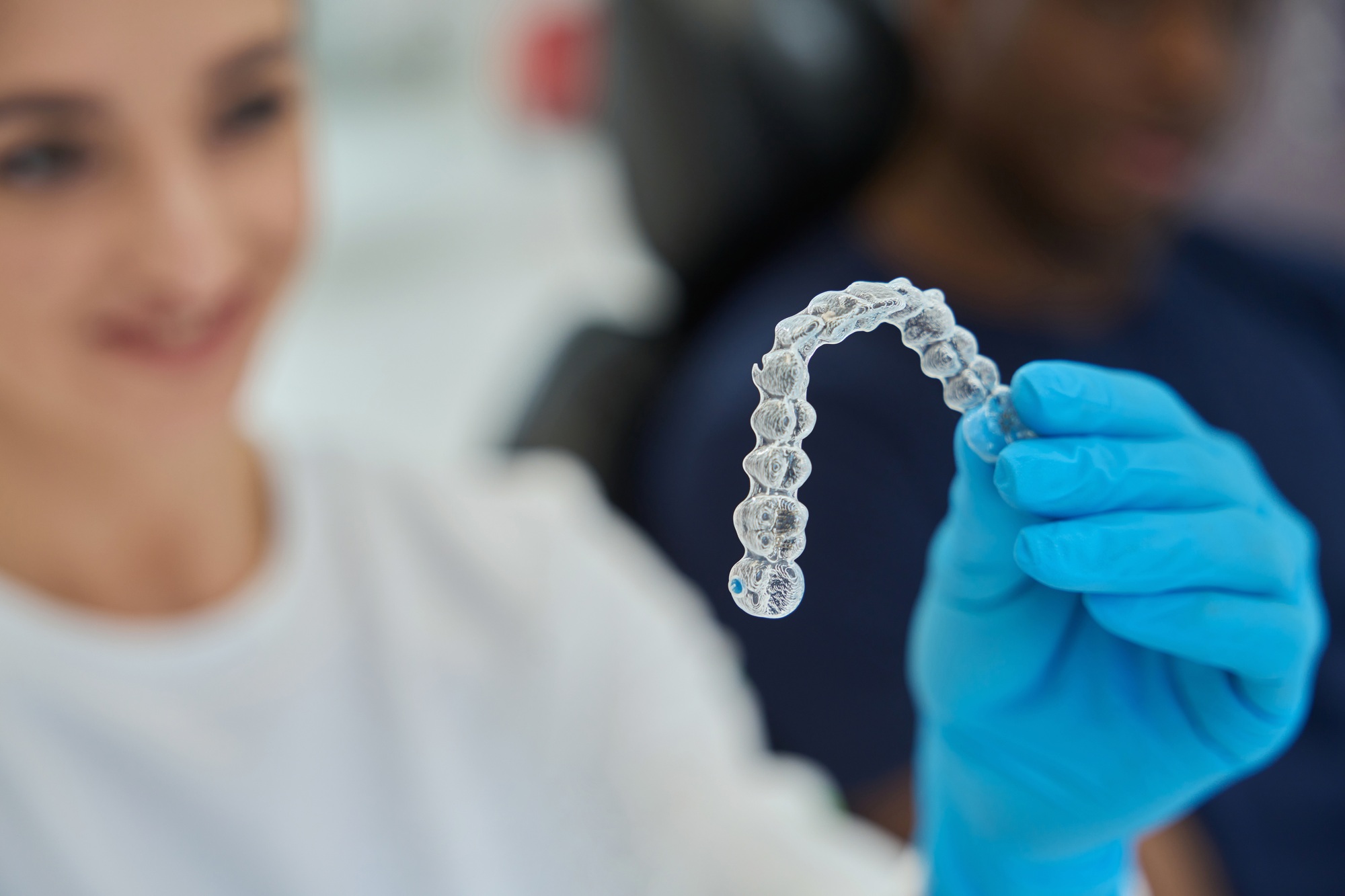
| Clear Aligners | Clear aligners, such as those provided by Invisalign, are removable plastic trays that fit over your teeth. They move teeth into position without the use of brackets or wires and can be less noticeable than traditional braces. |
Many dental plans cover Invisalign treatment similarly to braces, often providing significant coverage, potentially up to $3,000 for orthodontic treatment. The decision between these options often depends on personal preference, the severity of dental misalignment, and lifestyle factors.
Factors to Consider
Several factors will influence your decision between braces and clear aligners:
- Age: For children and teens, braces are commonly used due to their effectiveness for various orthodontic issues. Adults may prefer clear aligners for aesthetic reasons.
- Severity of Misalignment: Braces are generally better suited for complex cases involving significant tooth movement or jaw alignment. Clear aligners are effective for mild to moderate misalignments.
- Lifestyle Preferences: Clear aligners offer the convenience of removability, making it easier to maintain oral hygiene and enjoy certain foods. However, they require diligence in wearing them for the recommended 20-22 hours daily.
- Treatment Duration: Traditional braces typically require a treatment duration of 14-24 months, whereas aligners might offer similar timelines depending on the specific case (BCBS FEP Dental).
- Insurance Coverage: Review details of your orthodontic insurance to understand coverage specifics for both braces and aligners. If you have Blue Cross Blue Shield, it’s essential to consult their guidelines and explore in-network options for maximum benefits (BCBS FEP Dental).
Ultimately, evaluating these factors can help you make an informed choice between braces and clear aligners. For more information on navigating insurance coverage, including finding invisalign orthodontists in-network with Aetna, consider looking at specific details about benefits available through your insurance provider.
Understanding Insurance Coverage
When considering orthodontic treatment, understanding how your insurance coverage works for both children and adults is essential. This knowledge helps you make informed decisions about braces or clear aligners, such as those with BCBS coverage.
Coverage for Children and Adults
Blue Cross Blue Shield (BCBS) FEP Dental provides comprehensive dental coverage, including orthodontic services for both children and adults (BCBS FEP Dental). Many dental plans cover clear aligners like Invisalign similarly to how they cover traditional braces. Depending on your provider and plan, coverage can be significant.
Typical Coverage Details
| Type of Coverage | Coverage Amount |
|---|---|
| Standard Coverage | Up to 50% of total treatment costs |
| Average Maximum Coverage | Up to $3,000 for orthodontic treatment |
| Additional Costs (Ceramic vs. Metal Braces) | Patients may need to pay extra for less noticeable options |
Understanding the specifics of coverage can help families budget effectively for orthodontic treatment.
Reimbursement Rules and Regulations
Before making any payments for treatment, it is crucial to understand reimbursement rules and regulations that apply to your plan. Clear aligners can fall under insurance coverage if your health plan includes dental or orthodontic coverage, helping to reduce out-of-pocket expenses (OrthoFX Blog).
Common reimbursement considerations include:
- In-Network vs. Out-of-Network Providers: Coverage may differ depending on whether your chosen orthodontist is in-network. Ensure you confirm which providers accept your insurance to maximize benefits.
- Plan Details: Each insurance plan has different terms regarding orthodontic services. Always review your plan thoroughly, as some may impose waiting periods or limit coverage to children only.
- Preauthorization Requirements: Some insurance companies may require preauthorization before treatment starts. It’s important to check if your selected provider can assist with this process.
For further information on various insurance plans and coverage for clear aligners, you might want to explore options like invisalign treatment covered by anthem dental or insurance that covers invisalign treatment. By being well-informed about your insurance coverage, parents and adults can better navigate the decision-making process for effective orthodontic care.
Orthodontic Costs and Insurance Plans
Affordability of Treatment
When considering orthodontic options such as braces or clear aligners, understanding the costs associated with treatment is crucial. Many patients often find that insurance coverage can significantly impact out-of-pocket expenses. Clear aligners may fall under your insurance coverage if your health plan includes dental or orthodontic benefits, which helps to lower the overall costs. It is essential to consult with your insurance provider to clarify your coverage and any deductibles or coinsurance required.
The table below provides a general cost estimate for various orthodontic treatments:
| Treatment Type | Estimated Cost | Insurance Coverage Impact |
|---|---|---|
| Metal Braces | $3,000 – $7,000 | Typically covered |
| Ceramic Braces | $4,000 – $8,000 | May require additional payment for upgrade |
| Clear Aligners | $3,000 – $8,000 | Varies based on plan |
For more detailed information, explore options with various insurance providers to see what plans can help offset these costs.
Blue Cross Blue Shield FEP Dental Options
For individuals considering coverage under Blue Cross Blue Shield Federal Employee Program (BCBS FEP) Dental, you will be glad to know they provide comprehensive dental coverage, including orthodontic services for both children and adults (BCBS FEP Dental). Here are some key points regarding the coverage:
- Deductibles: There is a $75 deductible per person for the Standard Option and a $50 deductible per person for the High Option when using out-of-network providers.
- Coinsurance Requirements: Be aware that coinsurance applies for out-of-network services and for specific classes of services.
- Seamless Claims Filing: BCBS FEP Dental members benefit from automatic coordination with their medical coverage, enabling easier claims filing when both dental and medical services are utilized (BCBS FEP Dental).
Understanding these details can significantly aid in maximizing your benefits while minimizing potential costs when deciding between braces and clear aligners. Always consider discussing your specific needs with your orthodontist, especially if you are looking for clear aligners with BCBS orthodontic coverage.
Braces vs. Aligners: Treatment Details
When considering orthodontic treatment options, it’s important to evaluate the duration of treatment and the effectiveness and precision of braces versus clear aligners. Understanding these aspects can help you make an informed decision for you or your child.
Duration of Treatment
The duration of orthodontic treatment with either braces or clear aligners varies based on the severity of the dental condition. Generally, treatment with Clarity Aligners or Invisalign takes anywhere from 6 to 18 months. However, some cases may require a shorter or longer time depending on the individual’s specific situation (Orthodontic Experts).
| Treatment Type | Duration |
|---|---|
| Braces | 12 to 24 months |
| Clarity Aligners | 6 to 18 months |
| Invisalign | 6 to 18 months |
Choosing between braces and aligners will depend not only on the timeline but also on the effectiveness and precision of the treatment.
Effectiveness and Precision
Both braces and clear aligners, such as Clarity Aligners and Invisalign, are effective in treating a wide range of dental issues. However, there are notable differences regarding precision and predictability in treatment outcomes.
Clarity Aligners may provide slightly more nuanced tooth movements due to their use of attachments, which allow for more precise force application (Orthodontic Experts). This ability to apply targeted pressure can lead to improved outcomes for specific dental conditions.
| Treatment Type | Effectiveness | Precision |
|---|---|---|
| Braces | High for various conditions | Good; relies on wire adjustments |
| Clarity Aligners | High; slightly enhanced by attachments | Very high; allows custom movements |
| Invisalign | High; uses clear plastic trays | High; customizable |
Ultimately, your choice of orthodontic treatment should be based on the specific needs of you or your child, lifestyle preferences, and coverage options. If you have insurance, researching specific plans for clear aligners with BCBS orthodontic coverage may also be beneficial in determining the best provider that meets your needs.
Maximizing Insurance Benefits
Understanding the specifics of your insurance can help you make the most of your orthodontic benefits, especially when considering options like clear aligners with BCBS orthodontic coverage.
Coverage Caps and Limits
When evaluating your orthodontic coverage, be aware of any caps or limits your insurance plan imposes. Many plans have a lifetime maximum benefit for orthodontics. For example, if your insurance has a cap of $2,000 for orthodontic benefits but your total cost for clear aligners is $4,000, you would need to cover the remaining $2,000 out-of-pocket (NewSmileLife).
| Coverage Type | Lifetime Maximum | Amount You Pay |
|---|---|---|
| Standard Orthodontic Coverage | $2,000 | $2,000 |
| Clear Aligners Cost | $4,000 | $2,000 |
It is also important to check whether your plan distinguishes between medically necessary orthodontics and cosmetic procedures. Coverage for medically necessary treatments increases the likelihood of insurance approval.
Clarifying Coverage Terms
Insurance policies can be complex, particularly regarding orthodontic treatment options like clear aligners. Before starting any treatment, clarify the specific coverage terms. Many insurance plans might cover a portion of orthodontic expenses, but coverage for clear aligners may vary.
- In-Network vs. Out-of-Network: Verify if your chosen provider is in-network with BCBS. Out-of-network providers could incur higher costs.
- Approval Process: Ensure you understand the requirements for insurance claims. Claims and supporting documents generally need submission within 24 months from when services were rendered (BCBS FEP Dental).
- Orthodontic Necessity: Determine if your treatment qualifies as medically necessary or cosmetic. This distinction significantly affects potential coverage (NewSmileLife).
Understanding these terms and how they apply to your situation will help you maximize your benefits and minimize out-of-pocket expenses when opting for clear aligners with BCBS orthodontic coverage. For more details on insurance considerations, check out our article on insurance that covers invisalign treatment.
Flexible Payment Options
When considering orthodontic treatments like clear aligners, it’s important to understand the various financial options available. This section will outline flexible payment methods that can make clear aligners more affordable for you and your family.
Health Savings Accounts (HSAs)
Health Savings Accounts (HSAs) are a great option for making orthodontic costs more manageable. HSAs allow individuals to set aside pre-tax dollars to cover qualified medical expenses, including orthodontic treatments like clear aligners. Using funds from an HSA not only reduces your taxable income but also provides a straightforward way to pay for treatment.
| Feature | HSAs |
|---|---|
| Tax Advantages | Contributions are tax-deductible, and withdrawals for qualified expenses are tax-free. |
| Rollover | Funds can roll over from year to year, allowing you to save for future expenses. |
| Contribution Limits | For 2023, individuals can contribute up to $3,850, and families can contribute up to $7,750. |
It’s important to check whether your orthodontist accepts HSA payments. Many providers do, making it easy to use these funds for your treatment.
Payment Plans and Financing
Many orthodontic offices offer flexible payment plans designed to meet various financial needs. These plans often allow you to spread the cost of clear aligners over several months or years, making it easier to budget for your treatment. Here’s what to consider when exploring payment plans:
| Feature | Payment Plans |
|---|---|
| Monthly Payments | Typically range from $100 to $300 per month, depending on the total cost of treatment. |
| Zero or Low Interest | Some providers may offer plans with little or no interest, reducing the total cost. |
| Down Payment | Many plans require a down payment, which can vary in amount. |
Additionally, financing options may be available through third-party services like CareCredit, which allows you to apply for a line of credit specifically for medical expenses, including orthodontics.
Before deciding on a plan, it’s advisable to discuss your options with your orthodontist and verify if they accept your insurance provider. This can help clarify potential coverage limits and out-of-pocket costs for treatments like clear aligners. For information on different plans accepted by various providers, consider our articles on insurance accepted for teen invisalign and invisalign financing with insurance coverage.
Being informed about these flexible payment options can significantly ease the financial burden of investing in clear aligners and ensure that you make the best choice for your orthodontic needs.


