
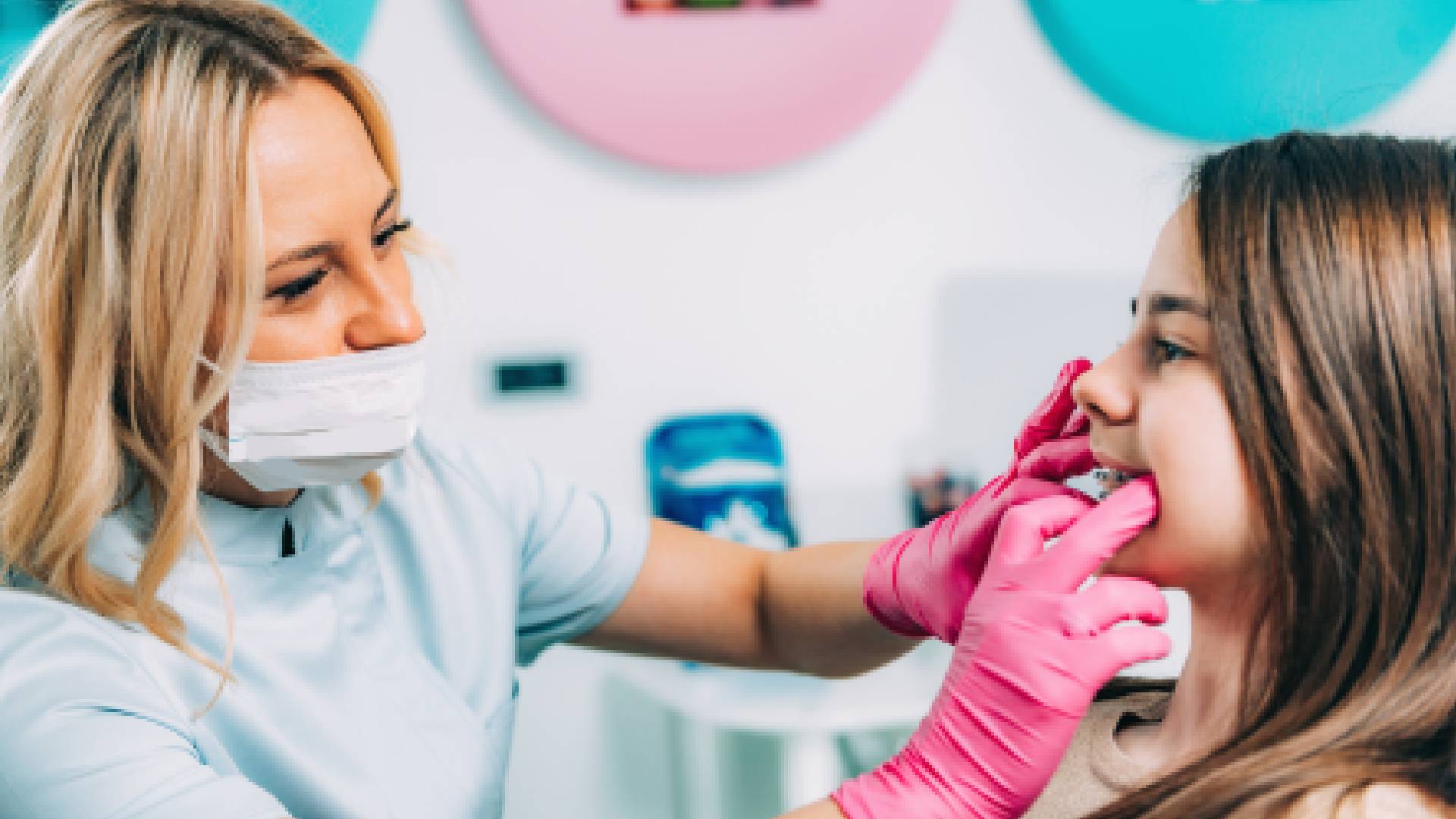
Understand hygiene importance
Maintaining effective orthodontic hygiene instruction is key to preventing complications during your braces journey. When you wear braces, wires and brackets create new surfaces where food particles and bacterial plaque can accumulate. This biofilm can harden into calculus within days, requiring professional removal to avoid gum inflammation and infection [1]. Early gum disease signs—bleeding, redness, tenderness and bad breath—signal that you need to refine your cleaning routine.
Preventing dental complications
By following a targeted oral hygiene plan, you reduce the risks of:
- Tooth decay around brackets
- Enamel demineralization or white spot lesions
- Gingivitis and periodontitis
- Bad breath and gum sensitivity
Daily cleaning that addresses the intricacies of braces helps you avoid extensive restorative work—such as root canals, extractions or gum treatments—that could compromise your orthodontic results [2].
Impact on treatment progress
Poor hygiene can extend your overall treatment time. When plaque coats brackets and wires, your orthodontist may need extra visits to repair or replace damaged appliances. Missed cleaning can also lead to unsightly decalcification that must be managed before proceeding with your next braces tightening appointment. As a result, staying on top of oral care contributes not only to a healthier mouth but also to a smoother, more efficient path through your orthodontic treatment planning.
Gather essential cleaning tools
Proper tools set the foundation for your braces cleaning routine. Orthodontic appliances create traps for food and plaque, so you need instruments designed to reach around brackets and wires [2].
Orthodontic toothbrushes
- Soft bristles prevent enamel wear
- V-shaped or interdental brush heads clean around brackets
- Replace every three months or sooner if bristles fray
Interdental brushes and floss
- Interdental brushes remove debris between wires and teeth
- Floss threaders guide traditional dental floss under archwires
- Water flossers provide pressurized cleaning for hard-to-reach areas
Water flossers and mouthwash
- Water flossers dislodge trapped food with gentle streams
- Antibacterial or fluoride rinses strengthen enamel and reduce bacteria
- Use rinses once daily after brushing and flossing
Cleaning aids table
| Tool | Purpose |
|---|---|
| Orthodontic toothbrush | Cleans around brackets and wires without damaging appliances |
| Interdental brush | Reaches between teeth and under wires |
| Floss threader | Guides floss into tight spaces |
| Water flosser | Removes food particles with pressurized water |
| Plaque disclosing tablets | Highlights plaque to improve brushing technique |
| Fluoride rinse | Reinforces enamel to resist decay |
| Orthodontic wax | Covers sharp edges and soothes irritated tissues |
| Tongue scraper | Lowers bacterial load on the tongue surface |
Master brushing techniques
Even with the best tools, technique determines your success. Proper brushing prevents plaque buildup that can lead to cavities and gum issues.
Proper brushing angles
Hold your brush at a 45-degree angle to the gum line. Use gentle circular or vibratory motions:
- Clean the outer surfaces of each tooth
- Angle bristles toward the gum-bracket interface
- Brush the inner surfaces of teeth
- Finish with chewing surfaces
Each area requires attention to remove biofilm without harming your braces [3].
Timing and frequency
- Brush at least twice daily, ideally after meals
- Spend a minimum of two minutes per session
- Divide your mouth into quadrants, dedicating 30 seconds to each
- Rinse thoroughly after brushing to clear loosened debris
Consistency in your brushing schedule keeps plaque from hardening and maintains a healthy environment for tooth movement.
Improve flossing methods
Flossing with braces takes extra care and the right approach to prevent food retention and interproximal decay.
Using floss threaders
- Thread dental floss through the loop of a floss threader
- Guide the floss under your archwire
- Slide the floss between two teeth, hugging each side
- Move up and down to clean the gum line
- Repeat for each contact point
Floss threaders simplify navigating under wires, ensuring you remove debris along the gum-bracket interface.
Alternative interdental tools
- Orthodontic floss picks: Preloaded floss and rigid handles for easier reach
- Triangular or tapered brushes: Fit snugly between brackets and teeth
- Water flossers: Ideal for those with limited dexterity or sensitive gums
Experiment to find the combination that fits your comfort level and oral anatomy.
Incorporate rinsing routines
Rinsing with the right solutions complements brushing and flossing by targeting bacteria and strengthening enamel.
Fluoride and antibacterial rinses
- Fluoride rinse: Builds enamel resilience against acids
- Antibacterial rinse: Controls plaque-producing microbes
- Rinse for 30 to 60 seconds once a day, ideally at night
These rinses reach areas that brushes and floss may miss, offering added protection during orthodontic treatment.
Plaque disclosing tablets
Using disclosing tablets weekly can highlight spots you routinely miss:
- Chew tablet and swish dye around your mouth
- Spit out and rinse lightly
- Inspect colored areas where plaque remains
- Focus extra brushing and flossing on those spots
Over time, you’ll refine your technique to achieve more thorough cleaning without the dye.
Schedule professional visits
Regular dental and orthodontic checkups reinforce your home care routine and catch issues early.
Checkup frequency and purpose
- Orthodontic monitoring visits: Every 4 to 8 weeks for adjustments, wire changes and progress checks [4]
- Dental cleanings: Every 3 to 6 months to remove hardened calculus and assess gum health
- X-rays and exams: Detect demineralization, white spot lesions or hidden decay
Missed appointments can delay treatment, so plan visits in advance and keep them on your calendar.
Collaboration with dental team
Your orthodontist and dental hygienist work together to:
- Review your hygiene routine
- Offer personalized tips based on appliance type
- Suggest professional cleanings or sealants when needed
- Coordinate care during phase one orthodontics and phase two orthodontic treatment
Clear communication ensures you receive the most effective instruction and support.
Educate patients and families
Empowering yourself and loved ones with knowledge fosters better habits and treatment outcomes.
Age-specific instruction
- Teens and pre-teens: Demonstrate tools and make cleaning fun with timers or apps
- Adults: Emphasize long-term benefits of enamel preservation
- Parents and caregivers: Supervise brushing and flossing until a child masters each technique
Tailored guidance helps everyone stay engaged and consistent.
Motivational strategies
- Set daily goals and track progress with charts
- Reward yourself for milestone achievements (for example, gift certificates after a month of perfect hygiene)
- Use visual aids like mirror demonstrations or instructional videos
Positive reinforcement keeps routines from becoming tedious.
Next steps and support
Research shows many orthodontic patients overestimate their hygiene while experiencing bleeding gums or halitosis [5]. Clinician-led reinforcement—through models, illustrations and repeat instruction—significantly improves outcomes [6].
At Wright Orthodontics, our specialists guide you through every phase. To get started:
- Schedule your orthodontic consultation appointment
- Ask about flexible braces payment plans
- Explore options for child braces treatment, pre teen braces evaluation or the adult braces program
With the right tools, techniques and professional backing, you’ll maintain a healthy smile and achieve optimal results from your orthodontic care.


