
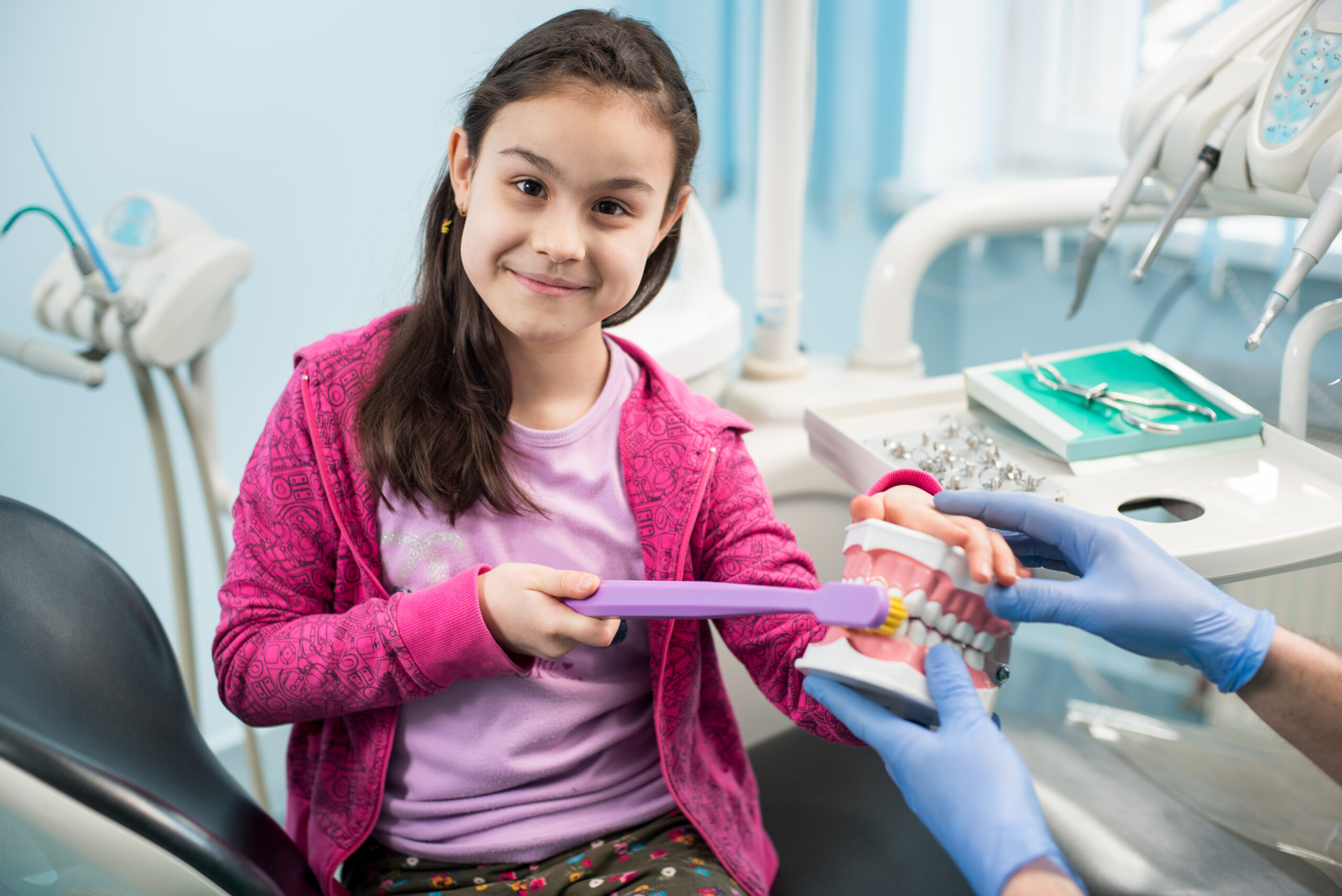
Why consider child braces treatment
When you explore child braces treatment for your son or daughter, you are making a proactive decision about their lifelong oral health. At Wright Orthodontics, we understand that braces can feel overwhelming to young patients and their families, especially when they are uncertain about the process. Our team is here to offer comprehensive care, tailored treatment programs, and a supportive environment throughout each step of your child’s orthodontic journey. By taking a positive, empathetic approach, we strive to instill hope and motivation, helping your child form healthy habits that last long after the braces come off.
Children’s orthodontic care not only corrects misalignment concerns like crowding, spacing, and uneven bites, but also supports balanced facial growth. Early treatment can make a noticeable difference in your child’s overall comfort, confidence, and long-term oral health. As recommended by the American Association of Orthodontists, parents should consider scheduling an evaluation around age 7 to identify potential issues before they become more complex (AAO). By staying ahead of growth and developmental concerns, you can pave the way for a healthier, straighter smile that sets the foundation for a lifetime of well-being.
Essential benefits of early intervention
Recognizing unique challenges
Just as certain groups face specific obstacles in recovery contexts, children also have unique challenges when it comes to orthodontics. Kids’ jaws and teeth are still growing, making them more receptive to correction. However, younger patients can also be anxious, self-conscious, or unsure about the braces experience. Our empathetic approach at Wright Orthodontics addresses these concerns by ensuring every child understands what’s happening and feels comfortable voicing their questions or worries.
Providing child braces treatment at an early stage can ease or eliminate the need for more extensive interventions later. By intervening at the right time, you help your child avoid issues like irreversible tooth damage, jaw misalignment, and emotional distress tied to an insecure smile. This holistic approach is why we emphasize early orthodontic evaluations to spot potential concerns and foster optimal jaw and tooth development. To learn more about this process, consider reading about early orthodontic evaluation.
Setting the stage for comprehensive care
At Wright Orthodontics, we believe in covering every aspect of a child’s orthodontic care, from the earliest consultation to the final retainer fitting. By focusing on the “big picture,” we guide families through every step:
- Evaluating jaw growth and tooth development.
- Creating individualized plans based on a child’s unique needs.
- Providing a supportive environment that empowers children through empathy and clear communication.
- Offering resources to help parents maintain their child’s oral hygiene at home.
This comprehensive mindset follows your child through phase one orthodontics, potential expansions or corrections, and eventually into phase two orthodontic treatment if required. Each phase builds upon the last to secure a healthier, lasting smile.
Types of braces for kids
Traditional metal braces
Traditional metal braces remain a popular, cost-effective solution for correcting various misalignment issues. They comprise durable stainless-steel brackets affixed to the teeth, connected by archwires that gradually guide teeth into their desired positions. They are known to be sturdy, rarely break, and are suitable even for more severe orthodontic cases (Arizona Braces). For many children, the metal brackets also provide an opportunity to add colored rubber bands, turning the treatment into a fun, personalized experience.
While traditional metal braces require attention to oral hygiene, especially around brackets and wires, they deliver predictable and consistent results. For older patients, we also offer adult braces treatment, ensuring that individuals at any stage of life receive the support necessary for lasting results.
Ceramic braces
Ceramic braces use clear or tooth-colored brackets that are less conspicuous, appealing to children or teenagers who may feel self-conscious about having visible metal brackets. Often made from porcelain or ceramic materials, these braces blend more naturally with the teeth. However, they can be more fragile than metal versions and may require extra care to avoid chipping or breaking. Proper cleaning is equally important, as ceramic brackets can stain if not maintained well (Kids Dental Online).
If your child is interested in a more discreet aesthetic, consider visiting our ceramic braces treatment page to learn more. By balancing function and appearance, ceramic braces can lead to the same effective correction as metal braces, just with a subdued look.
Self-ligating braces
Self-ligating braces are an innovative option that uses specialized clips instead of rubber bands to secure the archwire. These clips can reduce pressure on the teeth, simplify maintenance, and sometimes lead to fewer orthodontic appointments. They also adjust relatively quickly, guiding the teeth into alignment in a more streamlined manner (Kids Dental Online).
At Wright Orthodontics, we can discuss whether this modern system is a suitable choice for your child’s needs. If you want to delve deeper, visit self ligating braces to better understand how they work and why they might be a strong option for your family.
Clear aligners
For children mature enough to handle removable aligners, clear aligner systems such as Invisalign can offer a virtually invisible alternative. Because they can be taken out for brushing, flossing, and eating, children may find it easier to maintain good oral hygiene. Still, consistent wear is crucial to achieve the desired results, so your child must be ready for the responsibility of wearing the aligners for the recommended 20 to 22 hours a day (Arizona Braces).
Clear aligners can be recommended as a primary treatment or following braces if minor touch-ups are needed. During an initial consultation at Wright Orthodontics, we will evaluate your child’s readiness for aligners, considering their discipline and alignment needs.
Summary of common braces
| Braces Type | Appearance | Key Benefits | Considerations |
|---|---|---|---|
| Traditional Metal Braces | Visible metal brackets & colored bands | Cost-effective & sturdy | Require thorough hygiene, can be more noticeable |
| Ceramic Braces | Tooth-colored or clear brackets | Less conspicuous, effective alignment | Brackets are more fragile & can stain |
| Self-Ligating Braces | Metal or clear with clip mechanism | Quicker adjustments, fewer appointments | May still be somewhat noticeable |
| Clear Aligners | Removable see-through trays | Nearly invisible, easy hygiene maintenance | Requires discipline & compliance from the child |
How Wright Orthodontics personalizes your child’s journey
Tailored treatment programs
Every one of our patients faces unique challenges, from severe crowding to minor spacing issues. At Wright Orthodontics, we pride ourselves on creating tailored treatment programs that accommodate these differences. We combine proven orthodontic techniques with advanced technology to craft an approach that suits your child’s mouth, growth pattern, and compliance level.
In some cases, early intervention can involve a palatal expander device if our orthodontic examinations indicate a narrow upper jaw. This process gently widens the palate, creating adequate room for all incoming permanent teeth to align correctly. By addressing the root cause early, you can minimize more invasive procedures down the line.
Comprehensive care from start to finish
We cover every aspect of a child’s braces journey, helping parents feel informed, supported, and at ease. You can count on us for:
- Thorough diagnostic tests: X-rays, digital scans, and other imaging methods to accurately assess your child’s unique orthodontic situation.
- Clear explanations: We aim to make sure your child understands why a particular technique is necessary and what to expect.
- Ongoing checkups: We provide regular orthodontic checkup appointment intervals to track progress, identify any shifts, and resolve concerns.
- Customized aftercare: Once the braces stage is completed, our orthodontic retainer services and retainer adjustment services help maintain final results.
Throughout each stage, we use an empathetic, motivational tone that recognizes your child’s feelings and involves them in the decision-making process. This approach helps build a sense of autonomy and fosters better cooperation.
Supporting oral hygiene and healthy habits
Emphasizing preventive care
Good dental hygiene is fundamental to any child braces treatment, ensuring the best possible outcome. When teeth and brackets are not cleaned properly, plaque can accumulate and increase the risk of cavities and decalcification (Nationwide Children’s Hospital). At Wright Orthodontics, we teach families how to clean effectively around wires and brackets. Brushing at least twice a day and flossing daily with a floss threader can protect the evolving smile from common issues, such as tooth decay or gum irritation. For added support, we offer helpful guidelines through our orthodontic hygiene instruction so you and your child feel prepared from day one.
Navigating dietary changes
According to the American Association of Orthodontists, you should be cautious about hard or sticky foods if your child has braces. These items can compromise wires, break brackets, and trap food particles in hard-to-reach spots (AAO). During the initial stage of treatment, we recommend soft foods—such as soups, yogurts, and smoothies—especially right after adjustments to minimize discomfort (The Orthodontists).
Here are a few tips to make mealtime easier:
- Cut firm foods into smaller pieces, using the back teeth for chewing.
- Avoid biting directly into foods like apples or corn on the cob.
- Stick to nutritious snacks that do not cling to brackets.
- Rinse thoroughly or brush after meals to flush out debris.
These practical steps keep your child on track and reduce the risk of emergency appointments for emergency brackets repair.
Overcoming discomfort
It is not uncommon for children to feel some soreness or tightness after a braces tightening appointment. That pressure is a sign teeth are being guided into new positions, and it often subsides within a few days. Over-the-counter pain relievers and warm salt-water rinses can help alleviate initial soreness (The Orthodontists).
If your child experiences persistent irritation, particularly from a wire poke, please reach out to our team. Our wire poke relief service can adjust wires promptly, removing discomfort and preventing any further issues.
Ensuring long-term stability
The importance of retainers
Once braces come off, a new challenge arises: ensuring that straightened teeth stay in place long-term. Teeth often have a tendency to shift back to their previous positions if they’re not held securely (Blue Ridge Orthodontics). Retainers, whether fixed or removable, maintain the corrections achieved during treatment. Even minor changes in alignment can impact your child’s bite function or aesthetic appearance.
At Wright Orthodontics, we customize retainer solutions to each patient’s lifestyle and compliance level. Some patients prefer a discreet bonded retainer behind the teeth, while others opt for a removable retainer, which can be taken out for brushing and meals. In either case, consistent retainer usage is crucial in preserving the gains from child braces treatment.
Monitoring for growth and changes
Children and teens grow rapidly, and the positioning of their teeth, jaws, and gums can shift naturally over time. That’s why routine orthodontic monitoring visits are essential, even after braces removal. Checking your child’s bite periodically allows us to address minor concerns before they escalate. If we see early indications of issues like root resorption or a shifting bite, adjusting the retainer or providing an additional corrective measure can help avert long-term complications.
Financial considerations and scheduling
Payment plans and insurance
We understand that investing in your child’s smile is a commitment that requires careful budgeting. At Wright Orthodontics, we offer braces payment plans designed to accommodate different financial needs. We also help you navigate insurance orthodontic billing so you can make the most of any orthodontic coverage your plan provides. By partnering with you in these logistical matters, we strive to keep the focus where it should be—on your child’s well-being.
Scheduling your consultation
If you are wondering whether your child is ready for braces, we encourage you to set up a braces consultation appointment. During this session, our friendly team conducts a thorough oral examination, discusses any concerns you may have, and suggests a personalized approach to treatment. We wholeheartedly welcome any questions, ensuring you or your child never feel rushed or uninformed.
Creating a supportive environment at Wright Orthodontics
We believe that empathy and expert knowledge go hand in hand, making our practice a safe space for children and families. By combining top-tier orthodontic tools with a friendly, encouraging atmosphere, we instill confidence in children to embrace their treatment as a positive step toward better oral health. Here are several ways we foster a sense of camaraderie and shared success:
- Open communication: Genuine conversations help us get to know your child’s interests, fears, and goals.
- Positive reinforcement: We focus on each milestone of progress, no matter how small, celebrating each bracket adjustment and each improvement in oral hygiene.
- Education for empowerment: Our staff ensures your child thoroughly understands each procedure, from spacer placement orthodontics through bracket removal. We also provide tips on brushing, flossing, and maintaining braces at home so they can own their progress.
We’ve learned that when a child feels genuinely cared for, they are more likely to keep up with appointments, follow dietary guidelines, and maintain excellent hygiene—a recipe for a successful, fulfilling orthodontic experience.
Addressing potential complications proactively
Common side effects and how we minimize them
- Tooth decay: Braces can trap food particles, leading to plaque buildup and accelerating the risk of cavities. Our comprehensive hygiene instruction focuses on brushing, flossing, and using mouthwash consistently to prevent decay (Blue Ridge Orthodontics).
- Decalcification: Poor hygiene can also result in white spots or “decalcification” around the brackets. By encouraging low-sugar diets and routine dental cleanings, we help families limit this risk.
- Root resorption: In rare cases, wearing braces for more than two to three years can contribute to root shortening, or root resorption (CHT Orthodontics). We keep a close eye on tooth movement to mitigate any complications early.
- Ankylosis: Although extremely rare, ankylosis involves fusing the tooth root to the jawbone, preventing any orthodontic movement of the tooth. By scheduling consistent orthodontic checkup appointment visits, we can detect and adapt to these cases quickly.
- Relapse: Teeth can move after braces if your child does not wear retainers properly. This is why we emphasize consistent retainer usage and provide retainer adjustment services.
Ongoing commitment to quality
We continuously refine our methods, using current innovations and best practices in orthodontics. Our team participates in continuing education to stay updated on the latest treatments, materials, and techniques for child braces treatment, ensuring that your child receives care backed by evidence-based research and years of hands-on experience.
Frequently asked questions about child braces treatment
-
At what age should my child get braces?
The American Association of Orthodontists recommends an evaluation by age 7. However, the actual timing depends on each child’s tooth development, jaw growth, and individual needs. Some children start at around 8 or 9, while others might benefit more from starting at 11 or 12. Our team will help you decide the best time during your pre teen braces evaluation. -
How long does child braces treatment usually last?
The average treatment duration for kids is about two years, though it varies based on issues like spacing, crowding, bite misalignment, and compliance with home care. Consistent appointments, such as our orthodontic monitoring visits, are essential for tracking progress and making adjustments that keep treatment on schedule. -
Will braces hurt my child?
While your child may experience mild discomfort or tightness after braces are first placed or following an adjustment, this typically subsides within a few days. Gentle pain relievers or salt-water rinses can help. If your child experiences significant pain or wire pokes, our wire poke relief team can make adjustments to improve comfort. -
What happens if a bracket breaks or wire pops off?
Brackets can occasionally come loose or wires may shift out of place if your child eats very hard or sticky foods. Contact our office to schedule an emergency brackets repair appointment. We’ll address the issue quickly, examine for any underlying damage, and ensure everything is back on track for a successful treatment. -
How important is oral hygiene during treatment?
Oral hygiene is critical. Brushing after meals, flossing daily with a floss threader, and maintaining a healthy, low-sugar diet significantly reduce the risk of cavities, gum problems, and decalcification. Our orthodontic hygiene instruction resources support families in adopting a regular and thorough routine so the final results remain strong and beautiful.
Moving forward with confidence
Selecting Wright Orthodontics for your child braces treatment is more than a practical healthcare decision—it is an investment in your child’s long-term well-being and self-esteem. By addressing bite issues early and gently guiding teeth to their ideal positions, you give your child the assurance that comes with a bright, confident smile. Our comprehensive approach emphasizes empathy, education, and evidence-based care, allowing families to feel empowered every step of the way.
We invite you to schedule a braces consultation appointment so we can learn more about your child’s needs and start crafting a personalized treatment plan. Together, we will nurture healthy oral habits that stand the test of time, all within a supportive environment that underscores how deeply we value each child’s unique journey. With Wright Orthodontics, you and your child can look forward to a fulfilling orthodontic experience—and a straight, healthy smile for years to come.


