
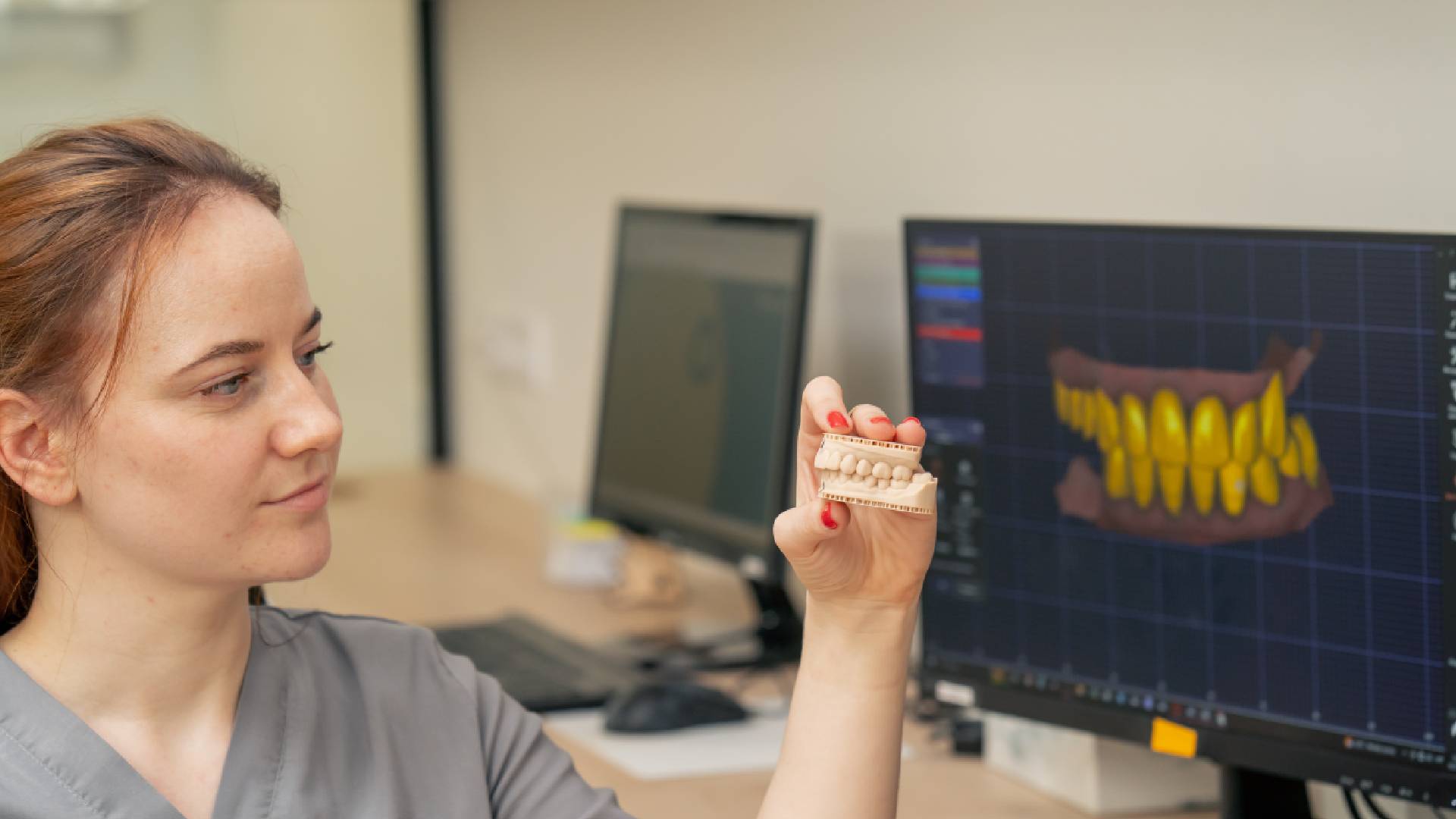
Orthodontic monitoring visits play a crucial role in guiding your braces or aligner journey toward a healthy, confident smile. During these routinely scheduled checkups, your orthodontist evaluates tooth movement, adjusts appliances, and addresses any concerns. Whether you’re starting treatment, midway through aligners, or overseeing your child’s progress, consistent follow-up appointments help prevent setbacks, ensure effective alignment, and maintain optimal oral health. In this article, you’ll find essential tips to prepare for each session, schedule visits according to your treatment plan, leverage new technologies, maximize the value of each appointment, and plan post-treatment care. By following these guidelines, you can make the most of every visit and stay on track for a successful outcome.
Importance of monitoring
Preventing setbacks
Skipping or delaying regular checkups can slow your progress or even reverse gains. Worn-out wires, loose brackets, or misaligned aligners may go unnoticed between visits. As a result, treatment can stall and require extra time in braces or aligners [1]. By keeping your scheduled sessions, you give your orthodontist the chance to spot issues early and make timely corrections.
Ensuring effective alignment
Each appointment confirms that your teeth and jaws are moving along the planned path. Your specialist will evaluate X-rays or digital scans, check bite alignment, and adjust wires or elastic bands as needed. For children in phase one orthodontics, these visits also track jaw growth and space development. In phase two orthodontic treatment, intervals may lengthen as tooth movement stabilizes, but consistent monitoring remains vital.
Preparing for visits
Tracking your progress
Maintain a treatment journal or take photos every few weeks to document changes. Note any discomfort, bracket breakage, or changes in how your aligners fit. Bring this log to your session so your orthodontist can address specific concerns and refine your plan.
Maintaining oral hygiene
Clean teeth and appliances thoroughly before each visit to help your provider see progress clearly and prevent inflammation. Pack these essentials in a small kit:
- Soft-bristle toothbrush and fluoride toothpaste
- Floss or interdental brushes
- Orthodontic wax (for sore spots)
- Any removable aligners or retainers
If you need guidance on best practices, review our orthodontic hygiene instruction page before your appointment.
Scheduling your appointments
Standard visit intervals
Most patients attend checkups every 4 to 6 weeks for braces and every 6 to 10 weeks for clear aligners [2]. Children and teens, whose jaws are still developing, may need slightly tighter intervals early on [3].
| Appliance | Visit interval |
|---|---|
| Traditional metal braces | 4–6 weeks [4] |
| Ceramic braces | 4–6 weeks [5] |
| Clear aligners | 6–10 weeks [6] |
Customizing your schedule
Your treatment plan’s complexity and your lifestyle can affect timing. If you’ve chosen self ligating braces, you may require fewer visits due to reduced friction. Busy students or professionals can ask about on-demand slots through our orthodontic checkup services. Always confirm your next visit before leaving the office to secure a convenient slot.
Maximizing appointment value
Key questions to ask
Make each minute count by preparing a short list of questions, for example:
- How is my alignment progressing compared to the treatment plan?
- Are any brackets or wires showing signs of wear?
- What adjustments to my hygiene routine do you recommend?
- Could I switch to clear braces options or another appliance?
Discussing concerns
Don’t hesitate to share any pain, discomfort, or unexpected changes in speech or chewing. If budget is a worry, ask about our flexible braces payment plans. Open communication ensures your treatment stays on track and fits your needs.
Using remote technology
Dental monitoring systems
Advances in teleorthodontics let you capture weekly scans with a smartphone app and a wearable device. Systems like those described by Geist Orthodontics and the Scan Box from Davis Orthodontics transmit images directly to your orthodontist, reducing the need for in-office checkups.
Benefits and limitations
-
Pros
-
Fewer office visits
-
Real-time feedback on tooth movement
-
Flexible scheduling
-
Cons
-
May miss bracket damage or wire issues
-
Relies on consistent patient compliance
-
Possible extra device fees
Discuss remote options at your next session to see if you qualify.
Post treatment care
Retainer fitting options
After active treatment, retainers keep teeth in position. You can choose fixed wire retainers or removable devices. Our fixed retainer bonding offers a hands-off approach, while removable retainer fitting provides easy cleaning and adjustments. Consult our orthodontic retainer services for details on each option.
Long term evaluations
To prevent relapse, schedule evaluations every 6 to 12 months during the first year after braces or aligners [1]. These visits let your provider check retainer fit, oral health, and overall stability. Over time, you may transition to annual checkups.
Ready to take the next step? Contact Wright Orthodontics today to schedule your follow-up and keep your smile on the path to lasting success.


