
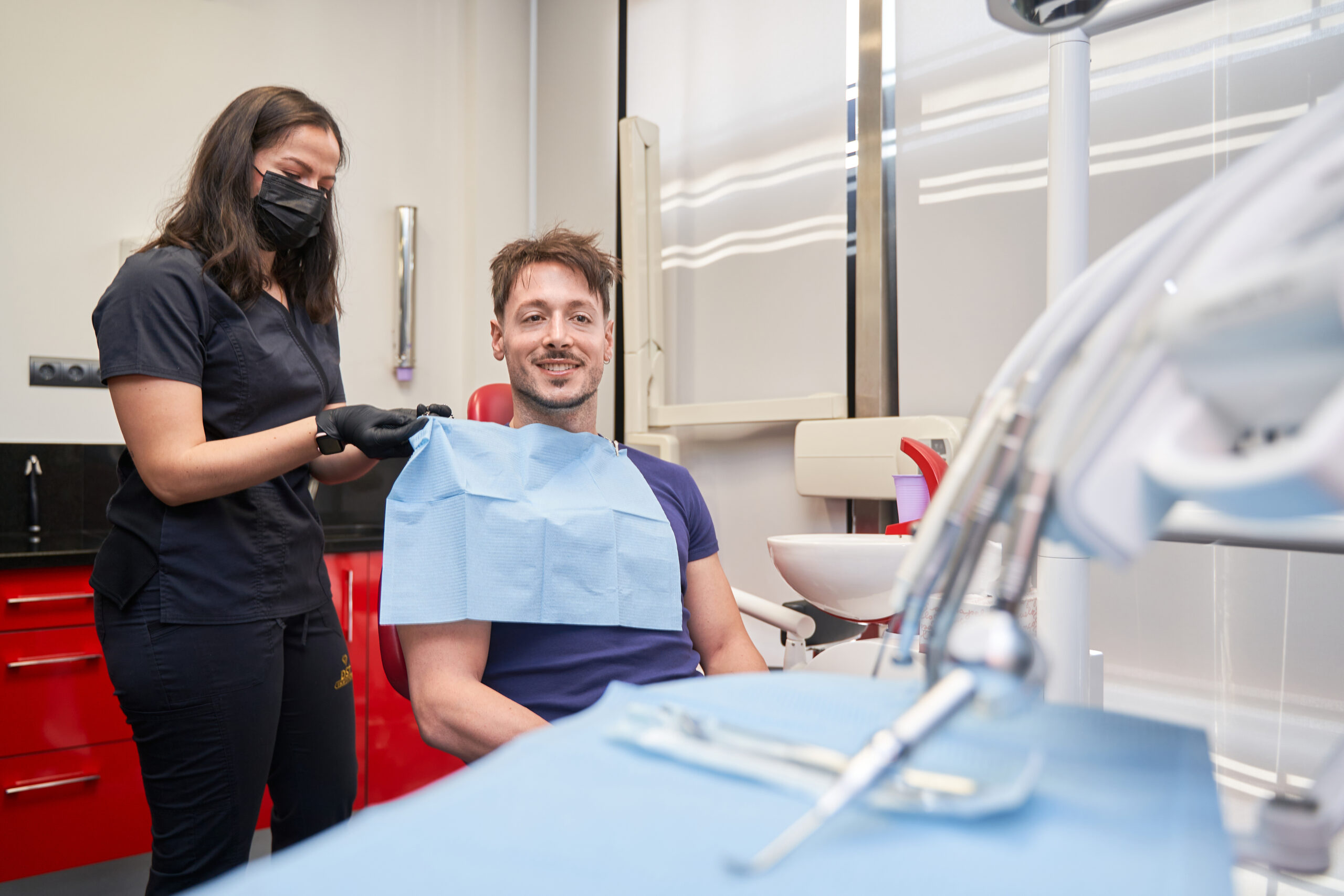
Fixed retainer bonding is an essential topic to explore if you want to keep your teeth properly aligned after completing braces or Invisalign treatment. By understanding how this process works and what to expect, you can make informed decisions that promote a healthy, long-lasting smile. At Wright Orthodontics, we strive to provide you or your loved one with the support necessary for lasting oral health, offering everything from early evaluations to comprehensive orthodontic care. In this informational guide, you will discover the benefits of fixed retainer bonding, how it compares to other retention methods, and why Wright Orthodontics is a trusted choice for safeguarding your smile.
Explore fixed retainer bonding
When you finish your orthodontic treatment, your teeth have a natural tendency to shift back toward their original positions. A retainer is designed to combat this movement, and one of the most reliable retainer options available is fixed retainer bonding. You might also see it referred to as a “bonded retainer” or a “lingual wire retainer,” since it is typically attached to the back (or lingual) surface of your teeth.
What it is and why it matters
A fixed retainer involves a thin wire custom-fitted to your mouth and secured to the rear surfaces of your teeth using dental bonding materials. According to some orthodontic studies, these wires (often multi-stranded) can last a decade or longer with proper care, helping your teeth stay in alignment for many years to come (Medical News Today). In contrast to removable retainers, a bonded retainer remains in place continuously. This design means you do not have to remember to put it in or take it out, making it easier to maintain a consistent level of retention.
Key benefits at a glance
- You do not need to remember to wear it, since it is permanently attached.
- The ability to brush and floss regularly keeps your oral hygiene routine straightforward, once you adapt to the retainer’s presence.
- You can reduce the risk of accidental damage or loss that is common with removable retainers.
- Long-term wear encourages stable alignment of the teeth and helps minimize relapse.
These benefits make fixed retainer bonding a popular choice among patients looking for a simple, effective way to keep their teeth in place after orthodontic treatment. At Wright Orthodontics, we value this solution for its dependability and for how well it supports your journey toward a lasting, confident smile.
Understand how bonding works
Fixed retainer bonding is a carefully managed procedure requiring precision, a supportive environment, and attentiveness to detail. While the results are highly regarded for their long-term effectiveness, it is helpful to know a bit more about the steps involved so you can feel at ease throughout the entire process.
Preparation of the wire
Your orthodontist will first outline the specific teeth that need the retainer wire. Typically, bonded retainers are placed behind the lower front teeth. In some cases, your orthodontist may decide a bonded retainer should also be utilized on upper front teeth, but this is less common due to the possibility of biting down on the wire.
Next, the orthdontic team will measure and shape a thin wire so it aligns snugly along the curvature of your teeth. Multi-stranded wires are often chosen because their flexibility can accommodate slight movements, reducing the chance of wire breakage.
Bonding procedure
For fixed retainer bonding, the steps typically include:
- Cleaning the teeth: Your orthodontist cleans the back surface of each tooth with a mild polishing agent to ensure a smooth bonding surface.
- Etching: A gentle acidic solution is applied to prepare the enamel, creating a rougher microsurface that helps the bonding material grip the tooth better.
- Applying bonding resin: A thin layer of adhesive gets spread over the etched area.
- Positioning the wire: The orthodontist holds the wire in place while shining a specialized curing light on the area, hardening the bonding resin.
- Checking and polishing: After the adhesive is fully cured, the edges of the resin are smoothed to prevent irritation and to minimize plaque accumulation.
You can think of this process like securing a “support bar” behind the front teeth. The result is a nearly invisible retainer that helps your newly positioned teeth stay nicely aligned.
Typical timeline
All of these steps usually take place in a single appointment and may last around 20 to 40 minutes, depending on the number of teeth involved. If you already had your braces removed that same day, you will most likely have a quick appointment to prepare your teeth before the fixed retainer is bonded. Once the retainer is secure, you can expect consistent results, as the device is intended to remain for the rest of your life or until your orthodontist determines it is no longer needed.
Compare fixed and removable retainers
Choosing the right retainer is a personal decision often influenced by comfort, convenience, cost, and your orthodontist’s recommendation. While fixed retainer bonding is popular, you might also consider removable retainers. Working alongside a professional you trust, like the team at Wright Orthodontics, can help you weigh the benefits of both options.
| Retainer Aspect | Fixed (Bonded) Retainer | Removable Retainer |
|---|---|---|
| Wear Compliance | No responsibility to remember daily wear | Must consistently self-manage wear time |
| Maintenance | Daily brushing and floss threading required | Frequent cleaning, but easier to brush teeth normally |
| Risk of Loss or Damage | Less likely to lose, but wire may break or debond | Risk of misplacing or forgetting the device |
| Aesthetic Aspect | Hidden behind teeth, nearly invisible | Visible or thick plastic covering teeth |
| Cost | Often $150-$500 for placement or repair (Healthline) | Typically less expensive upfront, but might need frequent replacements |
Who benefits most
A fixed retainer bonding approach can be especially useful if you or your loved one worry about forgetting to wear a retainer or losing a removable device. Removable retainers, on the other hand, offer flexibility during meals or special occasions. Some orthodontists recommend combining both methods, using a permanent lower retainer and a removable upper retainer to ensure comprehensive retention (Healthline).
Regardless of which approach you choose, the ultimate goal is stability. You want your straightened teeth to stay in place for a lifetime. At Wright Orthodontics, we strive to align you with the right retainer system, so your new smile endures for years to come.
Follow best cleaning practices
Proper cleaning is essential for keeping both your teeth and retainer in excellent condition. Although fixed retainers do not require removal, they do require careful attention to prevent plaque buildup, gum irritation, or potential wire failure.
Brushing routines
When you have a fixed retainer, it is important to adapt your routine slightly:
- Use a soft-bristled toothbrush and fluoride toothpaste.
- Gently angle your toothbrush to clean the gum line and behind the wire.
- Make sure to remove any lingering food particles.
- Brush at least twice a day, following the same schedule you used during your orthodontic treatment.
If you find yourself struggling with consistent oral hygiene while wearing a fixed retainer, do not hesitate to seek orthodontic hygiene instruction so you can learn techniques specifically targeted to ensuring cleanliness around wires and brackets.
Flossing and specialized tools
Flossing is a little more intricate with a bonded wire in place, but it is still extremely important. Consider these approaches:
- Floss threaders: These small needle-like tools help you thread floss under the retainer wire.
- Oral irrigators: Also known as water flossers, these can wash away food particles and plaque along the gum line.
Give each area around the wire dedicated attention, especially near the adhesive spots where plaque might gather. Regular flossing sessions allow you to see if a wire is coming loose or if the resin is cracking. Early detection is key to avoiding bigger issues down the line.
Checkups and minor repairs
Even with exceptional habits, a fixed retainer can sometimes crack, bend, or partially detach. If you notice sharp edges, unusual movement of your teeth, or discomfort, schedule an orthodontic checkup appointment. Minor issues, when fixed early, can help you sidestep more extensive repair costs and ensure your smile stays properly aligned.
Evaluate pros and cons
Fixed retainer bonding has proven to be a top choice among many orthodontists, but like all treatments, it comes with both advantages and potential issues. Taking a closer look at these factors helps you make well-informed decisions for your long-term oral health.
Advantages
- Continuous retention: You do not have to remember to wear or remove your retainer.
- High success rate: Studies show that fixed lingual retainers effectively prevent relapse (Medical News Today).
- Discreet look: Because the wire sits behind your teeth, most people never realize you are wearing it.
- Durability: Well-maintained retainers may last many years, sometimes up to two decades.
Potential drawbacks
- Cleaning challenges: Flossing takes practice, and plaque buildup can occur if hygiene is not maintained.
- Risk of wire breakage: Although less common with multi-stranded wires, breakage may require prompt attention.
- Possible irritation: Some people notice mild tongue or gum irritation, especially in the early adjustment stages.
- Periodic checks: You may need additional visits to ensure everything remains correctly bonded.
Being aware of these points can help you prepare for any small bumps in the road. The caring team at Wright Orthodontics is committed to guiding you through the entire process, offering tips and solutions so any minor concerns do not become major issues.
Choose Wright Orthodontics
Having explored the ins and outs of fixed retainer bonding, you might wonder what sets Wright Orthodontics apart for this specific service and beyond. Our mission goes beyond standard orthodontic treatment. We focus on providing a supportive environment, pairing knowledge and experience with the empathy you need when navigating your journey toward lasting alignment.
Comprehensive care for every stage
Our practice offers an array of services, ranging from early orthodontic evaluation to adult braces treatment. By choosing Wright Orthodontics, you gain access to:
- Careful assessments to determine whether a phase one orthodontics or phase two orthodontic treatment suits your condition
- Clear communication about scheduling, including braces consultation appointment and subsequent orthodontic monitoring visits
- A variety of treatment options, like clear braces options, ceramic braces treatment, or traditional metal braces
- Practical solutions for specialized issues, such as bite correction orthodontics and underbite correction braces
Skilled retainer services
Beyond braces and aligners, we understand the importance of a strong retention phase. You can learn more about our orthodontic retainer services, including:
- Retainer adjustment and lab repairs: Should your wire come loose, we have convenient retainer adjustment services.
- Removable retainer solutions: We can fit you for a removable retainer fitting if a hybrid approach suits your needs.
- Emergency repairs: If you require an urgent fix for your wire or bracket, please refer to our emergency brackets repair or wire poke relief services.
Our goal is to keep your treatment experience as stress-free and comfortable as possible.
Emphasis on empathetic, professional support
From the moment you step through our doors, we aim to provide reassurance and empowerment. This warmth helps you or your loved one feel at ease, whether you are exploring self ligating braces or making decisions about palatal expander device. By combining state-of-the-art tools with a deep commitment to patient well-being, Wright Orthodontics remains dedicated to helping your journey end in a positive outcome.
Consider cost and payment
When it comes to fixed retainer bonding, many individuals are concerned about cost. According to some surveys, the placement or replacement of a fixed retainer can range from $150 to $500 (Medical News Today). At Wright Orthodontics, we recognize that every patient’s finances and treatment requirements differ. Here are some considerations to keep in mind:
- Insurance coverage: Orthodontic insurance might help offset some of the expenses. If you need more guidance, check out our insurance orthodontic billing for assistance in navigating claims.
- Payment plans: We understand that cost should not keep you from maintaining a healthy, vibrant smile, so we offer flexible braces payment plans.
- Value of lifetime retention: A fixed retainer can reduce the risk of costly retreatments down the line, saving you money and preventing unnecessary hassle in the long run.
By discussing financial options during your initial consultation, you can move forward with clarity and confidence in your orthodontic plan.
Expand your knowledge with additional tips
Staying informed is the key to a successful orthodontic journey. Below are extra pointers you may find helpful when caring for your bonded retainer and overall dental health.
-
Watch out for signs of damage
If you notice any unusual sensation, such as the wire poking your mouth or feeling loose, do not hesitate to book a braces tightening appointment or retainer adjustment services. These minor checks make a difference in preventing more severe issues. -
Avoid biting into hard foods
While your retainer can handle normal chewing, certain foods, such as ice cubes or very hard candy, may crack or bend the wire. Breaking this habit helps protect the adhesive from unnecessary stress. -
Maintain your scheduled evaluations
Just because your braces are off does not mean your orthodontic journey is completely done. Regular orthodontic monitoring visits ensure that everything remains intact, aligned, and free of complications. -
Keep up with the latest developments
Orthodontic technologies are constantly evolving. From orthodontic treatment planning to advanced aligner systems, staying updated means you can be ready to integrate beneficial new approaches into your routine, if recommended by your doctor. -
Remember the role of hygiene
Consider scheduling professional cleanings every six months, or more frequently if recommended. Combine that with thorough at-home care, and you set the stage for the best possible long-term results.
Top FAQs about retainers
Below are some frequently asked questions about retainers, their maintenance, and how Wright Orthodontics supports your treatment journey.
1. How long do I need to wear my fixed retainer?
Most orthodontists recommend wearing a bonded retainer indefinitely, or up to a point where your teeth have stabilized. Some patients keep their retainers in place for 10 to 20 years or more. Removing it prematurely can risk relapse, particularly if the bone and surrounding tissues have not fully adapted to the new tooth positions.
2. Can I switch to a removable retainer later?
Yes, there may be instances when switching to or adding a removable retainer is advantageous. For example, you might prefer more flexibility once the critical stage of post-braces alignment has passed. If you are curious about incorporating a removable retainer, talk to your orthodontist or consider exploring the removable retainer fitting option.
3. What happens if my fixed retainer wire breaks?
A broken or bent wire can no longer maintain your tooth alignment effectively, and might even cause discomfort. Schedule a retainer adjustment services visit as soon as possible. Avoid trying to fix the wire at home, because you could inadvertently damage the bonding material or your teeth.
4. Are bonded retainers harder to keep clean?
They can be slightly more time-consuming to maintain because you need to floss under or around the wire, but the extra effort is manageable. Using floss threaders or a water flosser can simplify the process significantly. Maintaining great oral hygiene habits and attending orthodontic checkup appointments help guard against plaque buildup and gum issues.
5. Does my insurance cover the cost of a fixed retainer?
Insurance coverage varies. Some dental plans include retainer costs as part of an overall orthodontic package, while others may only cover the initial retainer after braces. At Wright Orthodontics, we are happy to guide you through insurance orthodontic billing to maximize your benefits.
Your next steps
Embarking on orthodontic treatment does not end when your braces are removed. Retainers play a crucial role in preserving and protecting your new alignment. By considering fixed retainer bonding, you provide yourself with a strong chance at ensuring your smile stays bright and beautiful for years to come. And when you partner with Wright Orthodontics, you will receive the caring support necessary for lasting success.
If you are ready to discover how fixed retainer bonding can work for you, feel free to reach out and schedule a braces consultation appointment. We are here to answer your questions, address any concerns, and walk you through your treatment journey, step by step. Your commitment to long-lasting oral health, combined with our expertise, paves the way for a confident, vibrant smile that truly stands the test of time.


