
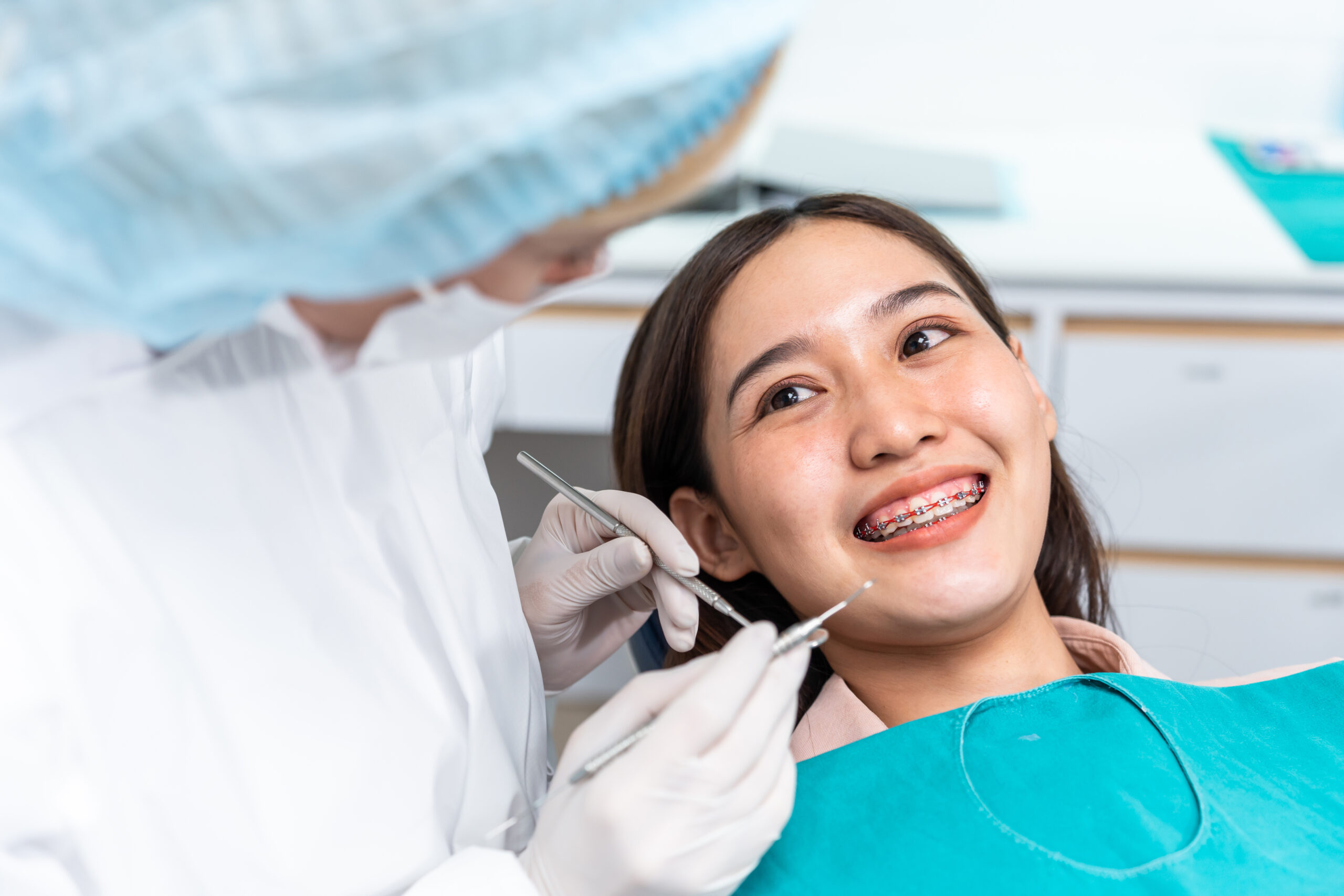
When you schedule a braces tightening appointment, you might feel both anticipation and uncertainty about what lies ahead. It is completely natural to wonder how these visits help guide your treatment and what you can do to manage any discomfort. At Wright Orthodontics, we believe in combining knowledge, empathy, and advanced techniques to make your orthodontic journey smoother. Whether you are trying braces for the first time, exploring clear braces options, or looking into discreet aligners, we want you to feel confident in every step you take. This article will explain what to expect at each tightening session, how to alleviate soreness, and why staying consistent is so pivotal for timely and effective progress. It will also highlight the benefits of choosing Wright Orthodontics for all your braces and early-intervention care needs.
Understand braces tightening
Braces, whether metal or ceramic, rely on consistent pressure to effectively move your teeth into the ideal alignment. A “braces tightening appointment” is the key element of this process because it ensures that each bracket and wire continues to do its job over the course of treatment.
What is it
When you arrive for your braces tightening, your orthodontist will carefully evaluate your progress before making subtle adjustments to your archwire, brackets, and elastics. Although “tightening” may sound intimidating, it generally involves adding or replacing thin wires and small rubber bands to increase or refine pressure on specific areas of your mouth. According to research published by Orthodontics Australia, braces typically need adjusting every 4 to 10 weeks, depending on various factors such as age, tooth alignment, and the severity of the initial crowding or spacing (Orthodontics Australia).
These adjustments may occur more frequently in the early stages of treatment if you have severely crooked teeth or multiple bite issues. On average, you can expect to schedule a tightening every 4 to 6 weeks, which typically matches your orthodontist’s plan to align your teeth step by step.
Why is it necessary
Regular tightening appointments ensure your braces maintain the appropriate pressure to move your teeth efficiently. Over time, the force exerted by the archwire and brackets can decrease as teeth begin shifting into place, so it is vital to renew or modify that pressure. Without these appointments, your braces could lose effectiveness and stagnate your progress.
Additionally, skipping regular adjustments might introduce unintended pressures, risking tooth damage or pain. Studies from Central Coast Orthodontics indicate that failure to get braces tightened periodically can lead to wires pressing in areas they should not, potentially causing complications or delays (Central Coast Orthodontics). At Wright Orthodontics, our systematic approach to these appointments helps us fine-tune your treatment plan, so you remain on track toward a straighter, healthier smile.
Prepare for your appointment
Preparation before each braces tightening appointment can make a significant difference in your overall comfort. By taking steps to maintain excellent oral hygiene and creating a list of questions to discuss, you set yourself up for a more positive experience. A bit of organization can also help you feel calm and confident.
Oral hygiene steps
Good oral hygiene is a crucial aspect of any orthodontic treatment. Before heading to your tightening appointment, it helps to brush thoroughly and floss to remove any plaque or debris. According to Dr. Sonneveld Orthodontics, brushing for at least two minutes twice a day is a helpful habit to maintain, especially before your appointment (Dr. Sonneveld Orthodontics).
Here are some handy suggestions:
- Brush carefully, giving extra attention to areas around brackets.
- Floss at least once a day. You may use specialized tools (like floss threaders or water flossers) designed for braces.
- Use an antiseptic mouthwash to reduce bacteria between gum lines.
- Check for any loose wires or brackets and note them for your orthodontist in advance.
These simple hygiene habits help keep your teeth free of plaque buildup, ensuring that movement proceeds smoothly. Additionally, taking care of plaque early reduces the risk of tooth decay and gum inflammation, which can slow treatment.
Scheduling and frequency
While most patients come in every 4 to 6 weeks for tightening, your specific timing may vary based on your unique case. Wright Orthodontics customizes your schedule depending on factors like:
- The complexity of your alignment issues.
- Your age, since younger jaws can move and adapt slightly differently compared to adult jaws.
- Overall oral health.
- Any special appliances you might use, such as a palatal expander device or self ligating braces.
If you need more frequent adjustments, you usually will know in advance. However, if you notice a wire poking your cheek or suspect a bracket is loose, you do not have to wait for the next scheduled visit. Contacting us for an earlier appointment helps address issues promptly, preventing unnecessary discomfort or delays.
Expect during the procedure
Your braces tightening appointment typically takes around 20 to 30 minutes. According to My Orthodontist, these adjustments often last only about 20 minutes if everything goes according to plan (My Orthodontist). During that time, your orthodontist will focus on ensuring you feel as comfortable as possible while verifying that the braces are helping you move in the right direction.
Steps in the adjustment
- Assessment: Your orthodontist will first check your current alignment, possibly taking a quick look at how your teeth have shifted since your last visit.
- Bracket and wire review: Tiny elastics that hold your archwire in place will be removed. The archwire might be replaced or advanced to exert gentle new pressure.
- Elastics and other components: If you are wearing rubber bands or other auxiliaries, your orthodontist may swap them out or adjust them based on your progress.
- Health check: The orthodontist will verify the condition of your teeth and gums, making sure there are no signs of significant decay or inflammation.
- Instructions: Before you leave, you will receive updated instructions on wearing elastic bands, practicing oral hygiene, and managing any post-adjustment soreness.
This procedure typically ensures the correct tension is maintained so your teeth continue moving at the expected pace. Should you have any concerns, from discomfort to broken brackets, you can address them with your orthodontist on the spot. It is also a good time to discuss potential next steps, whether that involves specialized options like phase one orthodontics for younger patients or advanced adult braces treatment.
Common sensations
It is normal to feel some pressure or mild soreness after your adjustment. In fact, many patients describe it as a sense of tightness or dull ache along the teeth and gums, indicating that the braces are effectively working. This tenderness usually subsides within a few days. Over-the-counter pain relievers, such as ibuprofen or acetaminophen, can help minimize that initial discomfort if taken according to your doctor’s instructions.
Sometimes, your jaw or nearby tissues might also feel slightly tender from the new pressure. An intermittent application of ice or a cold compress on the outside of your cheeks may further soothe these areas. In general, discomfort tends to lessen as you progress through treatment because your teeth and tissues adapt to the steady shifts happening over time.
Manage post-adjustment discomfort
After each braces tightening appointment, you may experience short-term soreness. Preparing for this possibility ensures that you do not have to tolerate unnecessary pain. By focusing on proper dietary choices and thoughtful pain relief methods, you can stay proactive in maximizing your comfort.
Pain relief techniques
Discomfort usually peaks in the first 24 to 48 hours, diminishing gradually. If you find the soreness distracting, you can explore a variety of relief strategies:
- Over-the-counter pain medications: Ibuprofen or acetaminophen can reduce inflammation and discomfort. Always follow your healthcare provider’s advice.
- Ice application: Holding a cold compress to the outside of your mouth and jaw can help reduce swelling and numb uncomfortable areas.
- Orthodontic wax: If you notice any wires poking the inside of your cheeks, consider applying orthodontic wax as a temporary fix while you arrange a wire poke relief appointment if necessary.
- Gentle gum massage: Using your fingertips, apply light pressure on your gums to encourage blood flow and help ease tension.
Applying these methods often relieves initial tenderness so you can resume daily activities more comfortably. If your discomfort seems unusually severe or does not improve after a few days, it is wise to contact your orthodontist. Occasionally, a wire may need a minor adjustment or a bracket might have loosened, causing additional irritation.
Choosing the right foods
When your teeth are freshly adjusted, chewing can feel more intense. Crunchy or sticky foods may exacerbate pain or risk damaging your braces. Instead, opt for easy-to-chew alternatives:
- Soft fruits (bananas, peaches)
- Mashed potatoes or cooked vegetables
- Yogurt, smoothies, or milkshakes
- Oatmeal and scrambled eggs
- Soups and broths
By switching to a softer diet for a few days, you can help your teeth and gums adjust to the new archwire and bracket settings. Orthodontics Australia recommends avoiding hard items such as popcorn, chewing gum, or tough candy, as they could cause damage to the brackets or wires, leading to extra appointments or extended treatment time (Orthodontics Australia). Maintaining a balanced diet, with an emphasis on nutrient-dense foods, is important to overall oral health, reinforcing each step of your transformation.
Navigate common issues
Though every tightening session aims to keep your orthodontic journey moving smoothly, occasional hiccups can arise. Staying informed about what to do in these situations can prevent undue stress or pain. By recognizing signs of trouble early, you can address them promptly and keep your timeline on track.
Loose wires or brackets
It is not uncommon for brackets to become loose or wires to shift out of place, especially if you bite into hard food or accidentally sustain trauma to your mouth. If a wire starts poking your cheek, you can apply orthodontic wax as a brief fix. Then, schedule a checkup to correct the positioning or reattach any bracket with emergency brackets repair.
You can minimize the risk of these incidents by:
- Cutting hard foods into smaller pieces.
- Avoiding sticky snacks.
- Using your back teeth, whenever possible, for chewing.
- Wearing a mouthguard if you are engaging in contact sports.
Missed appointments
If you miss a braces tightening appointment, do not panic. It is, however, crucial to reschedule as soon as possible to avoid unnecessary delays in your treatment. Thurman Orthodontics mentions that postponing adjustments can significantly prolong the time you wear braces (Thurman Orthodontics). Since consistent pressure is fundamental for moving teeth, long stretches between appointments reduce the chances of continuous progress.
Whether you are juggling a busy schedule or dealing with unexpected emergencies, contact your orthodontist’s office to arrange a make-up appointment promptly. Maintaining good communication ensures that your treatment proceeds efficiently.
Choose Wright Orthodontics
Deciding where to receive orthodontic treatment is a personal choice that can shape both your comfort and your results. At Wright Orthodontics, we strive to provide excellence that meets your clinical needs and extends into a compassionate, patient-centered philosophy. Whether your situation calls for traditional metal braces, a specialized child braces treatment, or you are curious about an early orthodontic evaluation for a younger family member, we focus on tailoring solutions that align with your goals.
Personalized care approach
Each patient has different needs, from subtle spacing concerns to advanced jaw alignment issues. Our expert team will take the time to:
- Evaluate your bite, jaw structure, and alignment thoroughly.
- Discuss personal preferences, such as clear aligners, ceramic braces treatment, or self ligating braces.
- Create an adaptable, custom plan that outlines your tightening schedule, dietary suggestions, and home-care responsibilities.
- Offer ongoing communication and support for any questions or adjustments along the way.
By integrating advanced imaging and continuous monitoring, we aim to detect subtle changes in your tooth movement swiftly. This allows us to revise your plan as necessary, delivering a dynamic approach that addresses your unique anatomy and lifestyle.
Cutting-edge treatments
Wright Orthodontics invests in state-of-the-art technology to achieve precise, efficient orthodontic outcomes. Our modern materials, including sophisticated archwires and bracket designs, help reduce discomfort while enhancing results. We also offer:
- Discreet clear aligners for mild to moderate alignment issues.
- Braces payment plans suited to different budgets.
- Orthodontic treatment planning built around your timeline and individual oral health needs.
- Early-intervention approaches like phase one orthodontics and phase two orthodontic treatment for younger patients to address bite and jaw issues in early development.
We believe that technology is only as strong as the caring professionals behind it. Combining our skilled team with these advanced tools helps us provide results that can significantly improve not only oral health but your confidence in sharing a vibrant, healthy smile with the world.
Frequently asked questions
Below are five high-interest questions we often encounter regarding a braces tightening appointment. These questions reflect concerns from many patients, whether you are new to braces or already a few adjustments into your journey.
-
How often will my braces be tightened?
It varies from patient to patient. Many people visit every 4 to 6 weeks, but some situations call for a slightly longer interval of up to 10 weeks. The key is ensuring you come in regularly so your wires and brackets maintain the right amount of pressure. If you have severely crooked teeth, you might need more frequent visits at the start to keep your progress on track. -
Will each braces tightening appointment be painful?
Mild discomfort is normal for a day or two as your teeth and gums adjust to the new pressure. Many patients describe the feeling as a dull ache or a sense of tightness. Over-the-counter pain relievers or a cold compress can significantly ease this sensation. -
Can I eat normally right after an adjustment?
You can eat, but opting for soft foods for the first few days can help you avoid amplified discomfort. Try to skip sticky or hard items that could bend your wires or get snagged on your braces, potentially causing damage and discomfort. -
What should I do if a wire is poking my cheek?
If you feel a sharp wire end irritating your cheek or gums, you can temporarily cover it with orthodontic wax. Then schedule an appointment to have it clipped or repositioned. Avoid adjusting the brace yourself, as you risk moving it incorrectly and impairing your treatment. -
Do I need to follow any special oral hygiene routine?
Yes. It is essential to brush thoroughly around brackets, wires, and gums twice a day, and floss daily. Use floss threaders or water flossers to clean effectively. Maintaining these habits not only prevents tooth decay, but also keeps your braces functioning optimally throughout treatment.
By understanding what happens at your braces tightening appointment, you are already one step closer to a healthy, aligned smile. Setup and follow-up are both important for ensuring steady progress. A bit of preparation, combined with open communication with your orthodontic team, will help you remain informed at every visit.
Choosing Wright Orthodontics means you are partnering with a dedicated team that values your comfort, your time, and your lifelong oral health. From advanced treatment technologies to a personalized approach, our goal is to empower you throughout your journey so that you feel confident in each decision you make. Whether it’s your first day in braces or you are nearing the finish line, we hope you leave each appointment feeling supported and encouraged to continue on your path to a lasting, healthier smile.


