
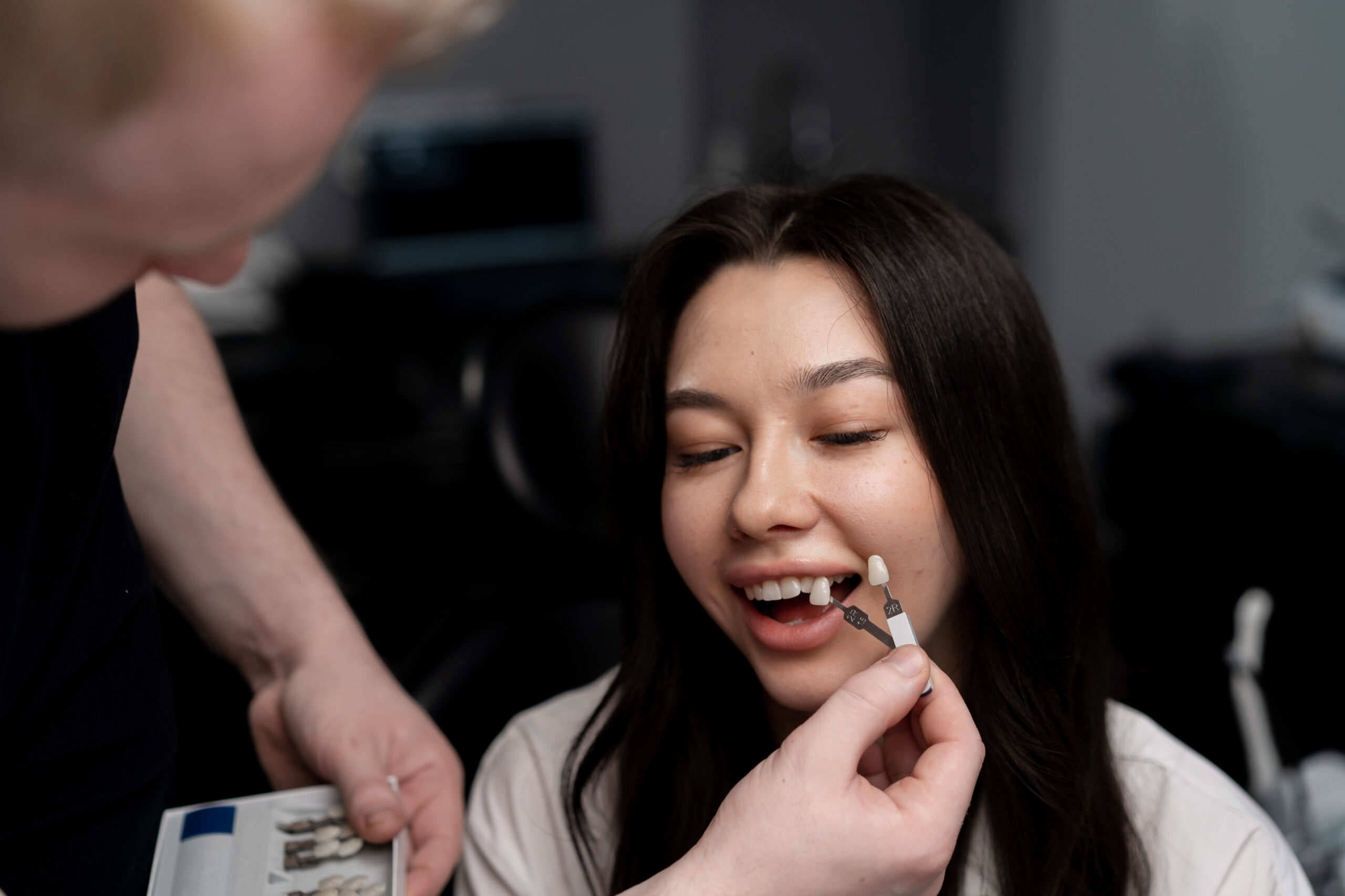
Recognize the meaning of an underbite
If you or a loved one has been told you have an underbite, you might already feel concerned about how it affects your appearance or daily life. Underbite correction braces can play a key role in repositioning your teeth and jaws, ultimately improving your smile and overall oral health. Before delving into how braces can help, it is useful to understand exactly what an underbite is and why it warrants professional attention.
An underbite is a type of dental misalignment where the lower teeth extend beyond the front of the upper teeth. This condition is also known as a Class III malocclusion and can range from minor to severe, depending on the degree of overlap. According to various orthodontic research sources, approximately 5% to 10% of the population has some form of underbite, making it considerably less common than overbites or crowding. While less prevalent, underbites often require more complex treatment.
How underbites can develop
Underbites emerge for different reasons. Genetic factors—such as inheriting a larger lower jaw or smaller upper jaw—commonly play a role. People with a family history of underbite may notice the issue recurring in multiple generations. Other causes include:
- Childhood habits: Thumb-sucking or prolonged pacifier use can affect jaw growth.
- Jaw-related injuries: Fractures can cause the lower jaw to heal in a shifted or more prominent position.
- Certain medical conditions: Disorders like acromegaly or Paget’s disease can influence bone growth, leading to or exacerbating underbites.
Potential problems from an untreated underbite
When an underbite remains uncorrected, individuals often experience long-term struggles, including:
- Difficulty biting and chewing
- Increased risk of dental wear and tear
- Speech impediments, such as lisping
- Chronic jaw pain or discomfort
- Elevated chances of developing TMJ disorders
- Self-consciousness or low confidence related to appearance
Children are particularly vulnerable because an underbite can worsen as their bones harden and continue to grow into adolescence. Adults, too, can see the condition deteriorate over time. By seeking treatment as early as possible, you minimize complications and help ensure a more comfortable future.
Discover why treatment matters
Feeling confident when you smile is not just a cosmetic concern—it can also enhance your mental and emotional well-being. Correcting an underbite provides a range of benefits, many of which extend beyond aesthetics.
Enhanced speech and function
Speech clarity often depends on correct jaw positioning and tooth alignment. When the lower teeth extend too far forward, it can disrupt how words are formed, causing speech impediments. By addressing the underbite, you generally improve the way your tongue sits in your mouth and how air flows during speech. Additionally, proper alignment makes it easier to bite and chew, facilitating a more varied, balanced diet.
Better jaw health and comfort
Chronic jaw tension is common among individuals with an underbite. Over time, repeated strain on the jaw muscles can pave the way for TMJ-related problems—issues that can include headaches, neck pain, tooth clenching, and limited range of jaw movement. Correcting the underbite alignment often redistributes bite pressure, offering the comfort and relief you need for daily activities, such as speaking and eating.
Prevention of tooth damage
An improperly aligned bite can cause certain teeth to bear more force, leading to abnormal wear. If your front teeth hit each other in an unbalanced way, they can become cracked or even chip prematurely. Fixing an underbite helps distribute pressure evenly, minimizing the risk of damage and potential need for expensive restorative procedures later.
Improved self-esteem
An underbite often makes individuals feel self-conscious, especially in social or professional settings. You might catch yourself avoiding photographs or covering your mouth when you speak. By correcting an underbite, you can find a renewed sense of positivity about your smile, which in turn supports greater confidence in daily interactions.
Understand how braces help
Although some underbite cases may warrant jaw surgery—particularly if the misalignment is severe—many people achieve successful outcomes with underbite correction braces. Braces realign your teeth over time through consistent, controlled force on each tooth. Whether you are a child or an adult, modern orthodontic techniques have made braces more efficient and often more comfortable than in previous generations.
The braces process
-
Consultation and planning
You begin with a thorough assessment, which may include X-rays, 3D imaging, and dental impressions. This step helps determine if underbite correction braces are a suitable option. During this visit, you might also discuss braces payment plans or explore insurance orthodontic billing. -
Initial braces application
Brackets are bonded to each tooth, and archwires are attached. The wires create tension across the brackets, gently shifting teeth. The orthodontic team at Wright Orthodontics personalizes your treatment plan so that each stage addresses your specific bite issue. -
Regular adjustments
During scheduled braces tightening appointment sessions, your orthodontist adjusts the wires, so teeth keep moving in the right direction. These appointments typically occur every few weeks. You can also schedule an orthodontic checkup appointment in between if you have concerns. -
Elastics for jaw alignment
In many underbite cases, small rubber bands (elastics) are connected between the upper and lower brackets to correct the jaw’s position. These elastics apply targeted pressure that helps move the lower jaw back and possibly the upper jaw forward, aligning your bite over a series of months. -
Completion and retainers
Once your underbite is corrected, the brackets and wires are removed. You will likely wear a retainer to keep teeth from shifting back into their old positions. Reliable orthodontic retainer services or even a fixed retainer bonding plan can ensure your new alignment remains stable in the long term.
Mild, moderate, or severe underbite?
Not every underbite follows the same pattern. Your orthodontist evaluates its severity to decide the best course of action. Below is a simple overview:
| Underbite Severity | Typical Range | Common Correction Methods |
|---|---|---|
| Mild | 1–4 mm overlap | Braces and elastics, possibly clear braces options |
| Moderate | 5–7 mm overlap | Braces with tooth extraction, elastics, or palatal expander device |
| Severe | Over 8 mm | Underbite correction braces plus jaw surgery, especially for adults |
Several sources agree that by addressing underbite early, you can often eliminate the need for invasive procedures. Young jawbones tend to be more malleable, which is why specialists regularly recommend an early orthodontic evaluation.
Trust Wright Orthodontics today
Orthodontic care is an investment in your health and happiness, and few decisions matter more than choosing a professional who understands your unique needs. At Wright Orthodontics, you or your loved one can find:
State-of-the-art treatments
From traditional metal braces to advanced ceramic braces treatment and customized clear aligners, Wright Orthodontics remains at the forefront of innovation. This modern approach ensures that you receive effective underbite correction braces, precisely calibrated to your mouth. High-quality materials mean your brackets stay secure, and advanced imaging techniques help create an optimized plan for realigning your teeth.
Tailored care for every age
Whether you are a parent seeking child braces treatment for your son or daughter, or you are an adult exploring braces for yourself, Wright Orthodontics emphasizes individualized plans. Children might benefit from a two-phase approach—phase one orthodontics early on to guide jaw growth, then phase two orthodontic treatment later for fine-tuning. Adults are encouraged to take advantage of specialized adult braces treatment, often incorporating aesthetic options such as tooth-colored clear braces options or discrete aligners.
Commitment to compassionate support
Underbites can feel daunting, particularly if you have been dealing with associated discomfort or self-consciousness for years. At Wright Orthodontics, you will find a supportive environment that balances expertise with understanding. This outlook reflects a belief that effective treatment starts with empathy, reassuring communication, and consistent follow-up. Whenever you have a question—whether about wire poke relief or general upkeep—the team remains dedicated to guiding you through every stage.
Emphasis on early intervention
One of the core philosophies at Wright Orthodontics revolves around identifying problems before they escalate. If you suspect your child has an underbite, an early orthodontic evaluation can detect jaw misalignment even before all permanent teeth erupt. The American Association of Orthodontists recommends children have their first appointment around age 7, but in many cases, evaluation can start as young as 5. Early detection can mean less complicated treatments, reduced overall cost, and a smoother experience down the line.
Examine other treatment pathways
Not all underbites are treated with braces alone—particularly moderate or severe cases. Even if braces are the primary solution, supplemental therapies can significantly improve your results.
Palatal expanders and headgear
For younger children, palatal expanders widen the upper jaw, creating room for the teeth and helping correct crossbites or mild underbites. Reverse-pull headgear can also encourage forward growth of the upper jaw, countering the lower-jaw prominence commonly seen in underbites.
Tooth extractions
When there is a moderate underbite (roughly 5–7 mm), removing one or two premolars from the lower arch (and sometimes the upper arch) can provide space for the remaining teeth to be repositioned properly. Coupled with underbite correction braces, extractions can reduce crowding and help shift the lower jaw backward.
Surgery for severe cases
Severe underbites—where the jaw extends more than 8 mm beyond the upper teeth—may require orthognathic surgery. This procedure restructures the jaw, typically in conjunction with braces to ensure the teeth line up afterward. According to data from multiple orthodontic sources, such surgeries often enhance chewing, facial appearance, and overall comfort. While surgery is more invasive and demands longer recovery, it can be life-changing for those with substantial jaw discrepancies.
Aligners as an alternative
If your underbite is mild to moderate, aligners (like Invisalign) may work for tooth repositioning, especially when combined with elastics. However, aligners alone rarely fix jaw alignment issues, so most severe cases still need surgical intervention or specialized braces.
Manage costs and insurance
Paying for orthodontic treatment like underbite correction braces can feel overwhelming, but rest assured there are ways to keep the journey financially manageable.
Investigate insurance coverage
Many dental insurance policies partially cover braces or orthodontic services if deemed medically necessary, such as when an underbite causes functional problems. Plans differ widely, so confirm the specifics of your coverage or speak with a representative at Wright Orthodontics about insurance orthodontic billing. If you need a jaw surgery, your health insurance may cover a portion. Typical copays for surgery range from a few hundred dollars to several thousand, depending on your plan.
Consider financing and discounts
Wright Orthodontics offers flexible braces payment plans, letting you spread costs over time. Some families might also qualify for discounts if multiple siblings receive treatment. It’s worthwhile discussing special payment arrangements with the practice manager or insurance coordinator during your braces consultation appointment.
Plan for potential extras
Occasionally, patients require additional procedures, such as extractions or specialized imaging, that may come with their own fees. During your orthodontic treatment planning, you can request an itemized breakdown to avoid surprises. Retainers after braces also involve a cost, so ensure you know if the retainer is included or if there is a separate fee.
Learn about daily care
Achieving a perfect smile with underbite correction braces involves more than simply showing up for appointments. Taking care of braces at home remains one of the most important aspects of your journey.
Maintain consistent oral hygiene
Brushing and flossing with braces can be challenging, but proper cleaning reduces plaque buildup, cavities, and gum issues. Consider using interdental brushes to navigate tricky areas around brackets and wires. Also, speak with your orthodontist about orthodontic hygiene instruction if you experience persistent difficulties.
Adjust your diet and habits
Chewy, sticky, and hard foods risk damaging your braces, so it’s wise to avoid items like caramel, taffy, popcorn kernels, and ice. Cut fruits and vegetables into smaller pieces, and try not to chew on pens or fingernails. If you practice a sport, consider a custom mouthguard to protect both your braces and teeth.
Monitor for minor issues
Although it does not happen often, wires can loosen or brackets can pop off, particularly if you bite something hard. Should that occur, schedule an emergency brackets repair. If a wire is simply poking your cheek, some orthodontic wax helps while you wait for wire poke relief.
Keep appointments regular
Consistency is crucial to track your progress and make necessary adjustments. Skipping visits can stall your treatment timetable. Sticking to every orthodontic monitoring visits schedule helps ensure your bite correction remains on track.
Review frequently asked questions
-
Can I fix my underbite with braces if I’m already an adult?
Absolutely. While it’s optimal to begin correction in childhood when jaw bones are still malleable, adult braces treatment can still be very effective. In moderate to severe cases, you may need tooth extractions or jaw surgery in conjunction with braces, but many adults achieve outstanding results. -
Does my insurance cover underbite correction braces?
Coverage depends on your specific insurance policy. Some plans consider braces medically necessary for significant bite issues, meaning they will pay part of the cost. It’s best to verify your benefits through your insurance provider or speak with Wright Orthodontics about insurance orthodontic billing. -
How long does it take to correct an underbite with braces?
Treatment timelines vary according to each individual’s severity. Mild underbites can take anywhere from 12 to 18 months. More serious cases, potentially involving tooth extractions or jaw surgery, often range from 18 months to 3 years. Your orthodontist can provide a more accurate estimate after a thorough evaluation. -
Are underbites purely genetic?
Genetics play a major role, but certain environmental factors or childhood habits, such as thumb-sucking or prolonged pacifier use, can contribute too. In rare scenarios, severe gender-specific growth patterns or jaw-related injuries can also influence development of an underbite. -
What if my child starts treatment late?
Starting around ages 7 to 10 is often recommended. However, even if you discover your child’s underbite later, the condition can still be addressed with braces, expanders, or other specialized orthodontic techniques. Early intervention may reduce the likelihood of needing invasive approaches, but effective solutions exist at nearly any age.
Next steps for a perfect smile
Whether you are seeking a more functional bite, an enhanced smile, or relief from chronic jaw discomfort, underbite correction braces offer an effective, time-tested approach. By focusing on addressing the root cause of the misalignment—whether through tooth movement alone or combined with jaw treatment—you protect your long-term oral health and support a confident self-image.
Wright Orthodontics is committed to providing expert guidance and empathetic support as you embark on this journey. From initial evaluation and orthodontic treatment planning to final retainer fittings, a dedicated team ensures that you receive individualized care. If you are concerned about your budget, explore flexible braces payment plans or insurance options. When in doubt, start with an early orthodontic evaluation for younger children or a braces consultation appointment for yourself.
By taking these steps now, you can prevent potential oral health complications, enrich your everyday comfort, and achieve the smile you deserve. If you are ready to create a healthier, more harmonious bite, reach out to Wright Orthodontics and discover the transformative benefits of underbite correction braces. Your perfect smile—and lasting sense of confidence—may be closer than you think.


