
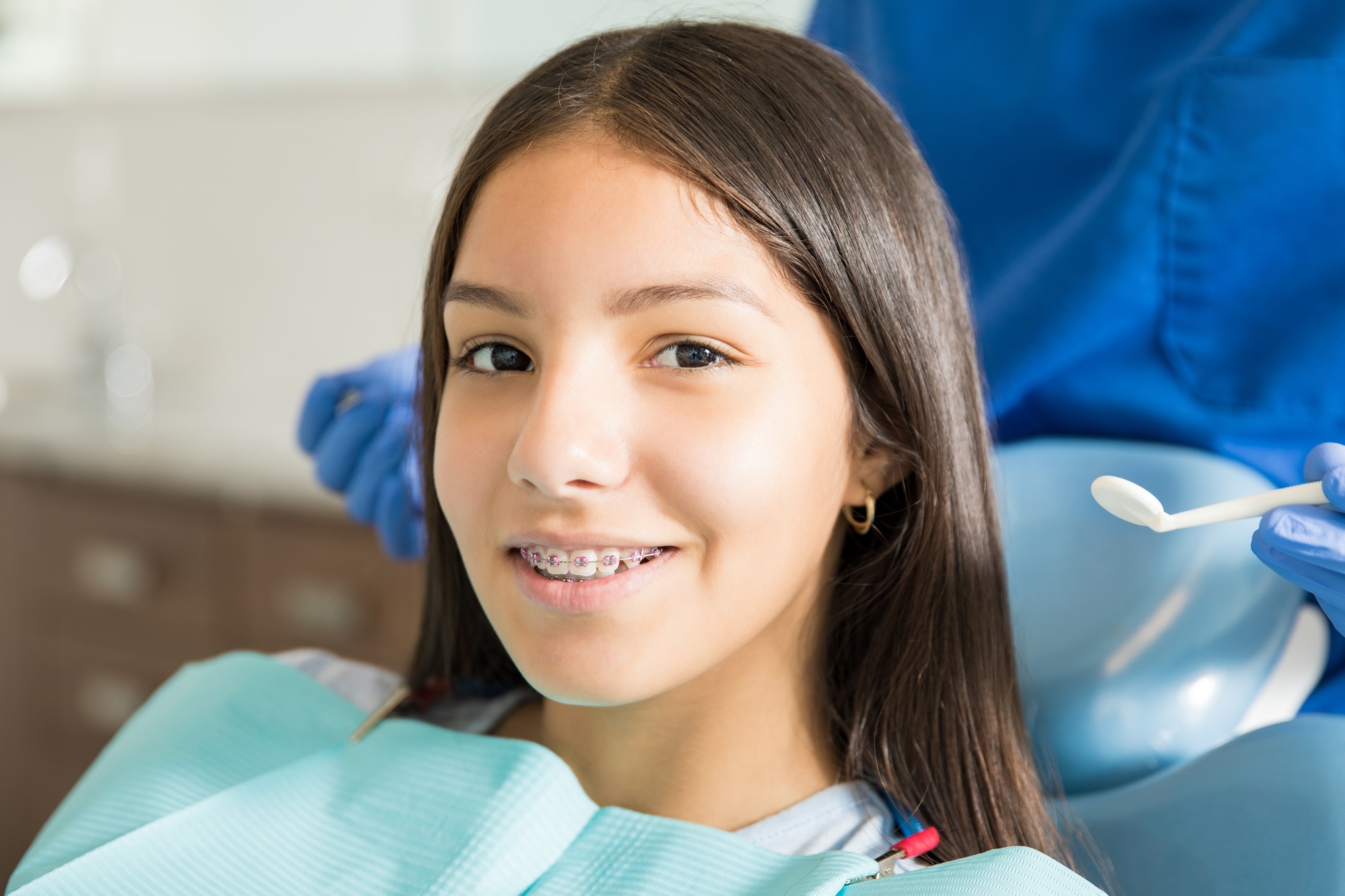
Understanding Orthodontic Options
When considering orthodontic treatment, you have two primary options: braces and aligners. Both are effective in straightening teeth and correcting bite issues; however, they cater to different preferences and lifestyles.
Braces Overview
Braces are fixed orthodontic devices that consist of brackets bonded to the teeth and a mounting wire that connects the brackets to apply pressure. Traditional metal braces are the most common type, offering durability and effectiveness. Additionally, there are variations such as ceramic braces, which blend better with the natural color of teeth, making them less noticeable.
| Type of Braces | Appearance | Advantages | Disadvantages |
|---|---|---|---|
| Metal Braces | Visible | Durable, effective for complex issues | Noticeable, potential discomfort |
| Ceramic Braces | Less noticeable | Aesthetic appeal | More fragile, can stain |
| Lingual Braces | Hidden behind teeth | Invisible to others | Can be uncomfortable, costlier |
Braces are suitable for a broad range of orthodontic conditions, including severe misalignment and bite issues. They are often preferred for children and teenagers, providing consistent treatment throughout their growing years. For more information on braces options for children, see braces for kids covered by Aetna dental insurance.
Aligners Overview
Aligners are a modern alternative to traditional braces. They are made from clear plastic and designed to be worn over the teeth. Aligners gradually shift the teeth into the desired position through a series of custom-made trays. Aligners are known for their discreet appearance, making them a popular choice for adults and self-conscious teens.
| Feature | Aligners |
|---|---|
| Transparency | Nearly invisible |
| Removability | Can be removed for eating and cleaning |
| Comfort | Generally more comfortable without metal components |
| Treatment Time | Often takes less time for minor adjustments |
However, aligners require strict adherence to wearing them for at least 20-22 hours a day to be effective. They may not be suitable for more complex orthodontic cases. For more comprehensive orthodontic services, explore orthodontic treatments that accept Delta Dental.
Both braces and aligners have their benefits and challenges. Evaluating your family’s needs and lifestyle can help you make an informed decision. If you have specific insurance queries, referring to your provider’s coverage information can further guide your choice between braces and aligners.
Considering Age Factors
When considering orthodontic treatment options like braces or aligners, age plays a significant role. Understanding how the needs of children and adults differ can help you make an informed decision for yourself or your child.
Braces for Children
Braces are a common orthodontic solution for children, especially between the ages of 7 and 18 when their teeth and jaws are still developing. Many dental insurance plans, including those offered by Anthem and Blue Cross Blue Shield, cover orthodontic treatment for children when deemed medically necessary.
Factors that influence the decision to use braces for kids include:
- Development Stage: Children’s teeth are still growing, making it easier to correct alignment issues early on.
- Medically Necessary Issues: Conditions like severe misalignment, overbite, or crowding often lead to the recommendation of braces.
- Insurance Coverage: Many plans cover a significant portion of the cost (dental insurance that pays for braces for kids).
The table below summarizes typical coverage for children’s braces under various insurance plans:
| Insurance Provider | Percentage Coverage | Age Limit |
|---|---|---|
| Anthem | 50% | Under 18 |
| Blue Cross Blue Shield FEP | 50% | Under 18 |
| Aetna | 50% | Under 18 |
| UHC | 50% | Under 18 |
For more information on coverage, check out our articles on braces for kids covered by Aetna dental insurance and covered orthodontic treatment for kids with Anthem.
Braces for Adults
Adults may also require braces, especially for severe misalignments, underbites, or chronic jaw pain that impacts their quality of life. However, the approach to braces for adults can be different from that of children.
Important considerations include:
- Complex Treatment Plans: Adult orthodontics often involves more complex plans due to fully developed teeth and jaws.
- Limited Insurance Coverage: Many dental plans provide limited coverage for adult braces, and they often cover only medically necessary treatments.
- Aesthetic Preferences: Adults may prefer less noticeable options, such as clear aligners or ceramic braces.
Although insurance coverage may be less comprehensive for adults, options still exist for financial assistance or flexible payment plans. Here’s a summary of how insurance affects treatment:
| Insurance Provider | Coverage for Adults | Remarks |
|---|---|---|
| Anthem | Limited | Only medically necessary cases |
| Blue Cross Blue Shield FEP | Limited | Coverage for serious issues only |
| Cigna | Limited | Subject to medical necessity |
Explore our options for metal braces for teens with Cigna dental or self-ligating braces for adults with insurance to find the best solution.
Braces are a valuable option regardless of age, and understanding the specifics for children versus adults can guide you in making an optimal choice for treatment.
Evaluating Insurance Coverage
When considering orthodontic options like braces, understanding your insurance coverage is crucial. Insurance plans can significantly impact the overall cost, making it essential to evaluate different providers and their specific benefits.
Anthem Dental Plans
Anthem offers dental plans that cover orthodontics and braces for children. These treatments are typically considered medically necessary for children with specific dental issues. The overall cost of getting braces can range from $5,350 to $12,000, influenced by location and the extent of work needed Anthem. Anthem’s coverage for orthodontic work may differ based on plan type and eligibility requirements.
Anthem’s orthodontic coverage includes features such as:
| Coverage Type | Benefits |
|---|---|
| Kids’ Braces | Covered when medically necessary |
| Adult Braces | Limited coverage, requires justification of medical necessity |
| Deductibles | Varies by plan |
For more details on covered orthodontic treatment for kids with Anthem, check our link to covered orthodontic treatment for kids with anthem.
Blue Cross Blue Shield FEP Dental Benefits
Blue Cross Blue Shield (BCBS) FEP Dental coverage includes orthodontic services for both children and adults. This insurance provides a robust framework for managing the costs associated with braces and other orthodontic procedures BCBS FEP Dental. It’s important to note the following aspects of coverage:
| Coverage Type | Benefits |
|---|---|
| Kids’ Orthodontics | Generally covered |
| Adult Orthodontics | Limited coverage for medically necessary treatments |
| Deductibles | $75 per person (Standard Option), $50 per person (High Option) for out-of-network providers |
For more information about kids’ braces covered under BCBS, visit our section on blue cross blue shield coverage for kids’ braces.
Evaluating your insurance options carefully can help you make informed decisions about the right orthodontic treatment for your child or yourself, ensuring that you maximize your benefits while managing costs effectively.
Choosing Between Braces and Aligners
Selecting the right orthodontic treatment can be a significant decision for you and your child. Two primary options are braces and clear aligners. Understanding the factors to consider and the cost and coverage comparison will help you make an informed choice.
Factors to Consider
When choosing between braces and aligners, consider the following factors:
| Factor | Braces | Aligners |
|---|---|---|
| Invasiveness | Fixed to teeth | Removable |
| Aesthetics | More visible | Less visible |
| Treatment Duration | Generally a longer treatment time | Often shorter, depending on case |
| Maintenance | Regular adjustments required | Change aligners every 1-2 weeks |
| Effectiveness | Suited for complex cases | Better for mild to moderate cases |
Braces generally handle a wider range of orthodontic issues, including severe misalignment or bite problems. Aligners, like Invisalign, can be more convenient and comfortable, as they can be removed for eating and oral hygiene, but they may not work for all cases.
Cost and Coverage Comparison
The costs associated with braces and clear aligners can vary significantly. On average, braces can range from $5,350 to $12,000, based on various factors such as complexity and treatment duration (Anthem). Dental insurance may cover around 50% of the total cost, but annual coverage limits will apply.
| Treatment Option | Estimated Cost Range | Typical Coverage | Out-of-Pocket Cost |
|---|---|---|---|
| Braces | $5,350 – $12,000 | ~50% | $2,675 – $6,000 |
| Aligners | Varies widely, but often comparable to braces | Varies, often ~50% | Similar to braces |
Health savings accounts (HSAs) and flexible spending accounts (FSAs) can help offset these costs by allowing you to use pre-tax dollars for orthodontic expenses. Furthermore, remember that selecting an in-network provider helps lower overall expenses, as these professionals have agreements with insurance companies for discounted rates (Blue Cross NC).
Understanding the nuances of each treatment option and how they integrate with your insurance is essential for making an informed decision about your or your child’s orthodontic care. For more information on braces covered by various insurance providers, explore articles on braces for kids covered by Aetna dental insurance and blue cross blue shield coverage for kids’ braces.
In-Network vs. Out-of-Network
Understanding the difference between in-network and out-of-network orthodontic providers is vital when considering the best treatment options for your child’s braces or aligners. This choice can significantly impact both the cost and coverage of the orthodontic treatment.
Dentist Network Benefits
Using an in-network orthodontist offers several advantages. In-network providers have contracts with your insurance, which generally leads to lower out-of-pocket costs for services. They agree to provide care at a pre-negotiated rate, meaning you can benefit from discounted fees established by your insurance company. For example, if you choose an in-network orthodontist, you may have minimal out-of-pocket expenses for your child’s treatment.
On the other hand, if you opt for an out-of-network provider, costs may escalate significantly. Out-of-network benefits mean higher copays, and you might be responsible for the difference between what your insurance pays and what the provider bills. For instance, under Blue Cross Blue Shield FEP Dental coverage, there is a deductible of $75 per person for the Standard Option and $50 for the High Option when using an out-of-network provider (BCBS FEP Dental).
Cost Differences
The cost differences between in-network and out-of-network orthodontists can be substantial. Here’s a table illustrating how costs may vary:
| Type of Provider | Average Cost for Treatment | Deductible |
|---|---|---|
| In-Network Provider | $3,000 – $5,000 | $0 – $200 (typically waived) |
| Out-of-Network Provider | $4,000 – $7,000 | $75 to $50 per person |
Choosing an in-network orthodontist not only leads to lower costs for braces or aligners but can also simplify the insurance claims process. On the contrary, going out-of-network may result in limited coverage, higher expenses, or possibly no coverage altogether (Blue Cross NC).
In addition to traditional insurance, consider using health savings accounts (HSAs) and flexible spending accounts (FSAs) to help manage orthodontic costs. These accounts let you use pre-tax dollars for medical and dental expenses, making the financial aspect of braces treatment more manageable (Blue Cross NC). Be sure to compare your options carefully to make the best choice for your family’s needs. For more on available coverage, check out guides on braces for kids covered by Aetna Dental Insurance and Blue Cross Blue Shield coverage for kids’ braces.
Long-Term Considerations
When it comes to choosing between braces and aligners, it’s essential to consider the long-term aspects of treatment. Two significant factors are treatment duration and the necessary maintenance and follow-up care.
Treatment Duration
The time required for orthodontic treatment varies based on factors like the type of braces or aligners chosen, the severity of the dental issues, and the age of the patient. Typically, adults can expect to wear braces for approximately 14 to 24 months, while teenagers may experience comparable or slightly shorter treatment times due to growing bone structure and more flexible teeth movement (BCBS FEP Dental).
| Patient Type | Expected Treatment Duration |
|---|---|
| Children | 12 – 24 months |
| Teens | 12 – 21 months |
| Adults | 14 – 24 months |
Effectiveness is also influenced by advancements in orthodontic technologies, which provide options that are not only more efficient but also aesthetically pleasing. For example, options like porcelain or plastic braces are less noticeable, and clear aligners offer a discreet alternative for both teens and adults (BCBS FEP Dental).
Maintenance and Follow-Up
Maintaining oral health during and after orthodontic treatment is crucial. Regular check-ups with your orthodontist are necessary to ensure that the treatment is progressing as planned. Follow-up visits typically occur every 4 to 8 weeks, allowing for adjustments to be made to braces or assessments of aligner wear.
In addition to orthodontic visits, a suitable oral hygiene routine is essential. Braces can trap food particles and plaque more than unadorned teeth, making diligent brushing, flossing, and using an interdental brush crucial for preventing cavities and gum disease.
Once your treatment is complete, retainers often play a critical role in ensuring that your teeth remain in their new positions. Follow-up care with retainers can last for years, requiring ongoing commitment for optimal results. As your child or you transition out of orthodontic treatment, be sure to discuss the best retainer options with your orthodontist.
For more information on braces for kids, including coverage options and treatment specifics, check out our articles about braces for kids covered by Aetna dental insurance and children’s braces that accept Delta Dental. These resources can help guide your decision-making process regarding the best orthodontic treatments for your family.


