
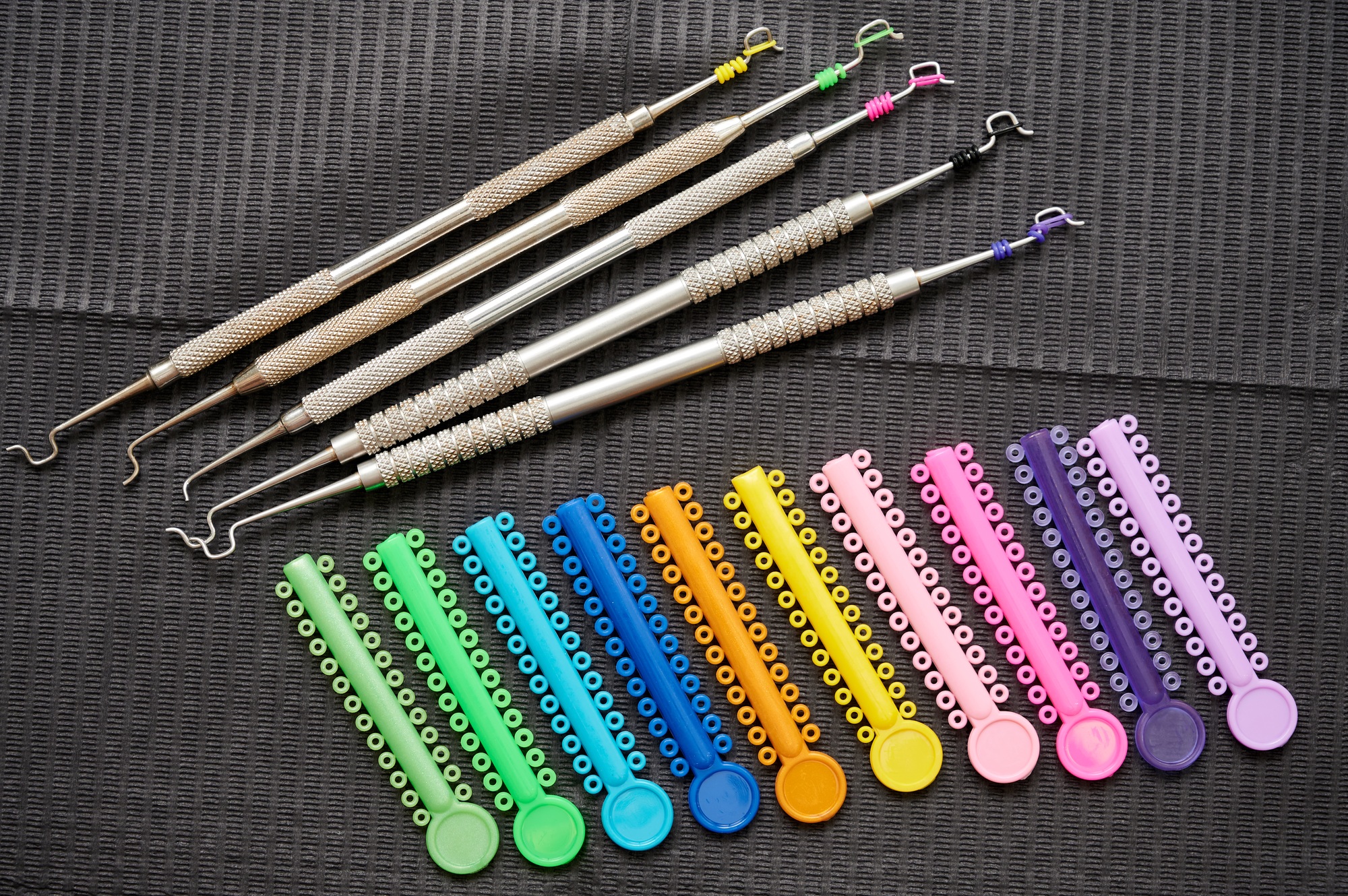
Orthodontic Treatment Options
Orthodontic treatment options primarily fall into two categories: braces and aligners. Each method offers unique benefits and considerations, making it essential for individuals to understand their choices when deciding on orthodontic care.
Braces Overview
Braces have been a longstanding treatment option for correcting misaligned teeth and improving dental aesthetics. Traditional braces consist of brackets bonded to the teeth, connected by an archwire. Recently, self-ligating braces have gained popularity due to their advanced technology. This type of braces features a sliding mechanism that allows for more efficient tooth movement, resulting in faster treatment times. Studies suggest that self-ligating braces can reduce overall treatment time by several months, depending on the complexity of each case (Naba Dental).
Patients undergoing braces treatment will typically require regular adjustments by an orthodontist to ensure proper alignment. Each adjustment helps fine-tune the tension and positioning of the archwires to guide the teeth into their desired locations. Self-ligating braces, however, require fewer appointments due to their unique mechanism which allows for continuous adjustment, reducing the need for frequent visits (My LA Braces).
| Type of Braces | Description | Typical Treatment Time |
|---|---|---|
| Traditional Braces | Metal brackets and wires; requires regular adjustments | 18-36 months |
| Self-Ligating Braces | Utilizes a sliding mechanism for efficient movement | 12-24 months |
Aligners Overview
Clear aligners provide an alternative to traditional braces, appealing to those who prefer a more discreet orthodontic option. Made from clear plastic, aligners are custom-made to fit each individual’s teeth and gradually shift them into proper alignment. One significant advantage of clear aligners is their removability; patients can take them out while eating, drinking, or cleaning their teeth, making oral hygiene easier compared to fixed braces.
Aligners also present minimal impact on lifestyle, allowing patients to continue their daily activities without the noticeable presence of metal brackets and wires. This characteristic has made aligners a popular choice among adults and teens who prioritize aesthetics during their orthodontic treatment.
| Type of Aligners | Description | Typical Treatment Time |
|---|---|---|
| Clear Aligners | Removable plastic trays that shift teeth gradually | 6-18 months |
Choosing between self-ligating braces and clear aligners involves considering factors such as comfort, convenience, and the desired outcome. Understanding the characteristics of both treatment options can help patients make informed decisions to suit their orthodontic needs. For those interested in learning about insurance considerations, refer to our section on insurance coverage.
Benefits of Self-Ligating Braces
Self-ligating braces have gained popularity in orthodontics for their numerous benefits. This section highlights the key advantages, including faster treatment times, enhanced comfort, and fewer appointments.
Faster Treatment Times
One of the most significant benefits of self-ligating braces is their ability to shorten treatment times. These braces apply continuous yet gentle pressure on the teeth, which facilitates efficient movement. Studies indicate that self-ligating braces can reduce overall treatment duration by several months, depending on the complexity of the individual case. This expedited process results in quicker outcomes and fewer visits to the orthodontist (Naba Dental, PORTH).
| Average Treatment Time Comparison | Traditional Braces | Self-Ligating Braces |
|---|---|---|
| Total Duration | 18-36 months | 12-24 months |
| Appointments | Monthly | Every 6-8 weeks |
Enhanced Comfort
Self-ligating braces are designed to offer greater comfort compared to traditional braces. This improved comfort is attributed to their gentler and more consistent force, which minimizes soreness and irritation. Furthermore, the brackets of self-ligating braces tend to be smaller and smoother, thereby reducing the risk of mouth irritation and making the orthodontic experience more pleasant (Naba Dental, PORTH).
Fewer Orthodontic Appointments
Another advantage of self-ligating braces is the reduction in the number of required orthodontic visits. Traditional braces often necessitate monthly adjustment appointments, while self-ligating braces typically require these appointments every 6-8 weeks. This not only saves time for patients but also makes the overall experience more convenient (Naba Dental).
The combination of faster treatment times, enhanced comfort, and fewer appointments makes self-ligating braces an appealing option for adults. For those considering orthodontic treatments, it’s important to weigh these benefits alongside insurance coverage options, such as self-ligating braces for adults with anthem.
Advantages of Clear Aligners
Clear aligners have become a popular choice for orthodontic treatment, particularly among adults and teens. They offer several advantages that make them appealing to individuals looking for effective yet flexible options in their orthodontic journey.
Removable Option
One of the primary benefits of clear aligners is their removable design. This feature allows individuals to take the aligners out while eating, drinking, or maintaining oral hygiene. Unlike traditional braces, which require certain dietary restrictions, clear aligners offer convenience and the freedom to consume a variety of foods without worry. This flexibility is particularly advantageous for busy lifestyles and can encourage better dental care practices.
| Period of Use | Compliance Impact |
|---|---|
| Removable during meals | Increased ease of eating |
| Less restriction | Promotes better oral hygiene |
Discreet Appearance
Clear aligners are designed to be virtually invisible, which makes them a discreet option for those undergoing orthodontic treatment. This aspect is especially appealing for adults who may feel self-conscious about traditional metal braces. Self-ligating braces also offer improved aesthetics, with options for clear or ceramic brackets that blend in more seamlessly with the natural color of teeth (My LA Braces). The less noticeable appearance of clear aligners helps individuals feel more confident during their treatment.
| Treatment Option | Visibility |
|---|---|
| Clear Aligners | Nearly invisible |
| Self-Ligating Braces | Small, discreet brackets |
Minimal Impact on Lifestyle
Clear aligners have a minimal impact on daily activities. Since they can be removed for important occasions, such as weddings, interviews, or social gatherings, individuals do not have to compromise their lifestyle while straightening their teeth. Furthermore, self-ligating braces do not require additional elastics or rubber bands, reducing the overall intrusiveness of the treatment and making adjustments more manageable (Newpark Orthodontics). This allows individuals to continue their usual routines without the normal discomfort associated with traditional braces.
| Lifestyle Factor | Clear Aligners | Self-Ligating Braces |
|---|---|---|
| Eating | Removable | Requires adaptation |
| Oral Hygiene | Easy to maintain | No added complexity |
| Social Events | Easily removable | Less visible option |
Clear aligners, combined with the aesthetic options available through self-ligating braces, have made orthodontic treatment more accessible and appealing. For those interested in comparing options, both clear aligners and braces present valid avenues worth considering for achieving that perfect smile.
Factors for Choosing Between Braces and Aligners
When families are considering orthodontic treatment options, age and lifestyle are significant factors that can influence the decision between self-ligating braces and clear aligners. Understanding these factors can help individuals select the most suitable option for their needs.
Age Considerations
Age plays a critical role in the choice between braces and aligners. For children and teenagers, traditional braces or self-ligating braces are often recommended due to their effectiveness in correcting a wide range of dental issues, such as crowding and misalignment.
| Age Group | Recommended Treatment |
|---|---|
| 7-12 Years | Self-Ligating Braces / Traditional Braces |
| 13-18 Years | Self-Ligating Braces / Clear Aligners |
| 25-55 Years | Clear Aligners / Self-Ligating Braces |
Younger patients generally respond better to traditional braces and self-ligating braces as they provide more control over tooth movement and require fewer orthodontic appointments, as the built-in mechanism continuously adjusts itself (My LA Braces). For older teens and adults, clear aligners may be more appealing for their discreet appearance and ease of use, allowing for a more flexible lifestyle.
Lifestyle Factors
Lifestyle factors significantly impact the decision-making process as well. Individuals who lead busy lives may prefer clear aligners because they are removable, allowing for easier eating, brushing, and flossing. They also have a discreet appearance, which might be more comfortable for professional settings.
In contrast, self-ligating braces can be advantageous for those who may forget to wear aligners consistently or who want a more permanent solution without worrying about misplacing their tools. These braces often lead to faster treatment times, with reduced overall treatment time by several months due to their efficient movement Naba Dental.
| Lifestyle Factor | Preferred Treatment |
|---|---|
| Frequent Travel | Clear Aligners |
| Active Lifestyle | Self-Ligating Braces |
| Professional Settings | Clear Aligners / Self-Ligating Braces |
Ultimately, personal lifestyle considerations, including professional image, dietary habits, and commitment to maintaining a consistent oral hygiene routine, should guide the choice between braces and aligners. The balance of these factors ensures that the selected orthodontic treatment aligns with individual needs and preferences while considering options such as self-ligating braces for adults with anthem to help navigate insurance coverage and affordability.
Insurance Coverage Considerations
Understanding the insurance coverage options available for orthodontic treatments is important for individuals and families considering braces or aligners. This section delves into dental insurance for orthodontic treatments and the specific coverage offered by Anthem for braces and aligners.
Dental Insurance for Orthodontic Treatments
Dental insurance policies often include a range of services, including preventive care, routine exams, cleanings, and some basic restorative services like fillings. However, orthodontic treatments may only be partially covered, leading to potential out-of-pocket expenses for families. In general, the average annual cost for dental insurance in the United States is approximately $360, translating to around $15 to $50 per month, depending on coverage levels and geographical location (Anthem).
When selecting a dental insurance plan, families should consider the orthodontic needs of all members. Looking for plans that offer flexible coverage options, such as low deductibles and no copays for preventative care, can provide additional financial relief (Anthem).
Anthem Coverage for Braces and Aligners
Anthem provides various affordable dental insurance plans that cater to families with different orthodontic needs. Coverage specifics may vary based on the plan selected, but many Anthem plans do cover orthodontic treatments, including both self-ligating braces and clear aligners. It is important for individuals to review the exact benefits included in their plan.
Furthermore, Anthem’s policies may cover costs associated with routine orthodontic care, making it easier for families to manage their budgets while pursuing the best options for dental health. For detailed coverage information regarding self-ligating braces for adults with Anthem or clear aligners, it is advisable to contact Anthem directly or consult with the orthodontic provider.
In conclusion, when evaluating dental insurance for orthodontic treatments, consider family-specific needs and analyze available plans carefully to ensure adequate coverage for braces or aligners.
Cost Analysis and Comparison
Evaluating the cost and coverage options for orthodontic treatments is essential for individuals and families seeking the best solutions. This section focuses on two popular treatments: self-ligating braces and clear aligners.
Self-Ligating Braces Cost and Coverage
The cost of self-ligating braces typically ranges from $2,000 to $7,000, depending on various factors such as the severity of the orthodontic issue and the specific provider. Self-ligating braces may be more expensive than traditional braces and could lack comprehensive coverage under standard dental insurance plans.
Additionally, self-ligating braces reduce discomfort compared to traditional braces by applying a gentler, more consistent force to the teeth. This minimizes soreness and irritation, making them a more comfortable option. Patients can also benefit from fewer and shorter adjustment appointments.
| Cost Range for Self-Ligating Braces | Coverage Considerations |
|---|---|
| $2,000 – $7,000 | May not have comprehensive coverage under standard dental insurance. Check for possible coverage through adult braces covered by anthem bcbs or other providers. |
Clear Aligners Cost and Coverage
Clear aligners offer a more discreet option for orthodontic treatment, generally costing between $3,000 and $8,000. Similar to self-ligating braces, the final cost largely depends on the complexity of the case and the orthodontist. Many insurance policies provide partial coverage for clear aligners, but the specifics can vary widely (PORTH).
Patients should inquire about insurance policies that may cover clear aligners, such as anthem insurance clear braces for adults, and compare offers to find the most cost-effective option. Clear aligners are also removable, providing flexibility and minimal impact on daily life.
| Cost Range for Clear Aligners | Coverage Considerations |
|---|---|
| $3,000 – $8,000 | Partial coverage from various insurance plans; check options for clear braces options for adults with insurance. |
Comparing costs and coverage for self-ligating braces and clear aligners is crucial for those considering orthodontic treatment. It helps ensure that individuals and families make informed choices that suit their financial needs and lifestyle preferences. For more information on orthodontic coverage, consider reviewing our articles on various insurance plans like adult orthodontics with delta dental coverage or in-network aetna orthodontist for adult braces.


