
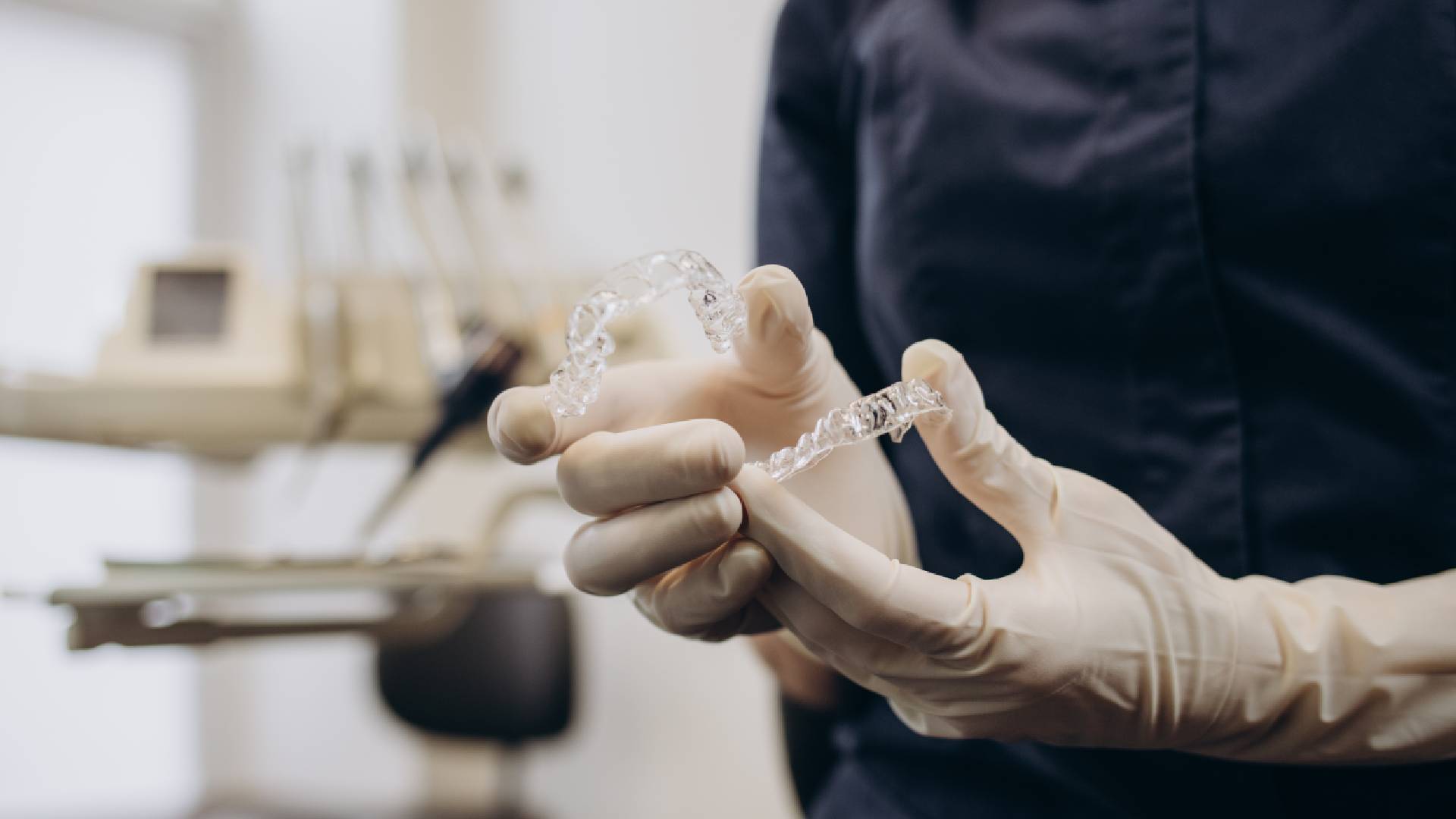
Your orthodontic mouth guard fabrication plays a pivotal role in safeguarding your smile during—and after—your clear aligner journey. Whether you’re in the midst of an invisalign consultation appointment or gearing up for your first invisalign clear aligner treatment, understanding how your mouth guard is made can help you protect both your teeth and your orthodontic investment.
In this article, you’ll learn why fabrication matters, explore the different types of mouthguards, dive into the processes and materials that affect fit and comfort, and discover how to integrate a custom guard into your clear aligner regimen. You’ll also find practical tips for care, cost considerations including insurance coverage, and guidelines for choosing the right provider. By the end, you’ll feel confident about the role of your custom mouth guard in maintaining your smile.
Why fabrication matters
Your teeth and aligners face forces from daily activities—sports, sleep grinding, or accidental impacts. Proper orthodontic mouth guard fabrication ensures you have a personalized barrier that:
- Shields braces, clear aligners, and dental restorations
- Distributes impact evenly to reduce injury
- Minimizes movement of teeth during retention phases
A well-made guard goes beyond off-the-shelf protection. It’s tailored to your anatomy, preserving the alignment achieved by your clear aligner orthodontic system. Neglected or ill-fitting guards can harbor bacteria and compromise both hygiene and protection [1]. Investing in precise fabrication ultimately saves you time and stress.
Protecting orthodontic investment
Custom mouthguards guard the progress you’ve made with clear aligners or braces by absorbing shock and preventing new trauma. A store-bought guard may leave gaps around attachments and bracket edges, allowing harmful pressure to reach vulnerable areas.
Preventing dental injuries
Sports like hockey, rugby, and football carry a high risk of orofacial injuries. A tailored mouth guard fits snugly over your teeth, braces, and aligners, reducing the likelihood of chipped or displaced teeth during impact [2].
Types of mouthguards
To choose wisely, you should understand the three main categories:
| Type | Description | Pros | Cons |
|---|---|---|---|
| Stock | Preformed, ready to wear | Inexpensive | Poor fit, limited coverage |
| Boil and bite | Thermoplastic you mold at home | Better fit | Inconsistent molding |
| Custom-fitted | Made by an orthodontist or dentist using impressions or scans | Precise fit | Higher cost, lab time |
Stock guards
These ready-to-wear options offer the lowest price point, but they can be bulky and lack the precision you need when you’re wearing clear aligners or braces.
Boil and bite
You heat the guard, then press it onto your teeth. While better than stock guards, they may not accommodate brackets or attachments fully, leaving some areas exposed.
Custom-fitted
Your orthodontist takes impressions with dental putty or a digital handheld wand, then sends them to a lab. In about two weeks, you receive a guard molded exactly to your mouth [3].
Fabrication processes
Knowing how your guard is fabricated helps you set realistic expectations. Two main steps define the process:
Impression techniques
- Traditional impressions use putty trays to capture tooth and brace details
- Digital orthodontic evaluation relies on a 3d orthodontic imaging scan for a fast, mess-free alternative
Lab fabrication timeline
- Day 0: Impression or scan
- Day 1–2: Lab reviews models and prepares mouthguard molds
- Day 7–14: Final guard delivered for fitting
Your orthodontist may adjust edges or thickness during an orthodontic follow up visits to ensure optimal comfort.
Material choices
The materials used in fabrication determine durability, flexibility, and protective quality. Common options include:
EVA and polyolefin
- Ethylene vinyl acetate (EVA) sheets are soft, flexible, and comfortable for mild to moderate needs [4]
- Polyolefin sheets offer satisfactory physical properties, balancing resilience and comfort [5]
Acrylic and hybrid polymers
- Hard acrylic guards are rigid and crack-resistant, ideal for severe bruxism but can feel bulky
- Hybrid materials combine layers—a soft inner core for comfort and a firm outer shell for impact resistance
Fit and comfort factors
A guard’s thickness and fit make all the difference in wearability and protection.
Thickness and coverage
The ideal thickness varies by sport and your orthodontic appliances. Lab studies show vacuum-forming reduces thickness at molars, while pressure-forming yields a more uniform, snug fit at incisors [5].
Adjustments and relines
Even custom guards may need minor edge trimming or reline visits. During an aligner tray fitting services appointment, your provider can:
- Fine-tune borders to prevent gum irritation
- Confirm the guard seats fully over attachments
- Make soft-liner adjustments for enhanced comfort
Maintenance and replacement
Maintaining your guard extends its life and hygiene.
Cleaning protocols
- Rinse with cool water after each use
- Brush gently with a soft toothbrush and mild, non-abrasive soap
- Soak weekly in a denture-cleaning solution to eliminate bacteria
Storage guidelines
- Keep in a ventilated case away from heat
- Avoid exposure to direct sunlight or hot water, which can warp materials
- Replace your guard at least once a year—or sooner if you notice cracks or fit changes
Integrating with alignment
If you wear clear aligners, you may also benefit from a specialized night guard.
Night guard for Invisalign
A night guard for invisalign protects both your aligners and teeth from grinding without compromising fit. Ask your provider to design a guard that accommodates your aligner trays during the retention phase.
Protecting clear aligners
Custom guards prevent accidental dislodgement or damage to attachments. By lining up guard design with your retention phase monitoring, you can preserve alignment results long term.
Insurance and cost
Understanding coverage and payment options keeps surprises at bay.
Coverage options
Some dental insurers cover part or all of custom-fitted mouthguards. Policies vary, so verify benefits before fabrication. You can often submit lab receipts for reimbursement.
Payment plans
Ask about in-office or third-party financing. Practices offering invisalign payment options frequently extend similar arrangements to mouthguards, spreading costs over several months.
Selecting fabrication services
Choosing the right team ensures seamless integration with your orthodontic plan.
Digital imaging and scans
Look for providers who offer advanced scanning technologies like the digital orthodontic evaluation. Digital records speed up lab work and improve fit accuracy.
Customized treatment plans
Your guard should align with your customized aligner treatment plan. Coordinate guard fabrication timing with key milestones in your clear aligner schedule.
Follow-up and adjustments
Ensure your provider offers comprehensive teleorthodontics monitoring program or in-office follow-ups. These visits let you report fit issues and get prompt relines.
By choosing a fabrication process that leverages digital scanning, quality materials, and professional oversight, you’ll secure a mouth guard that complements your clear aligner therapy and protects your smile for years to come.


