
Comparing Orthodontic Options
Choosing the right orthodontic solution can significantly impact both dental health and aesthetics. The two primary options available are traditional braces and clear aligners. Each has its own advantages and disadvantages, particularly for seniors and adults seeking orthodontic treatment.
Braces Overview
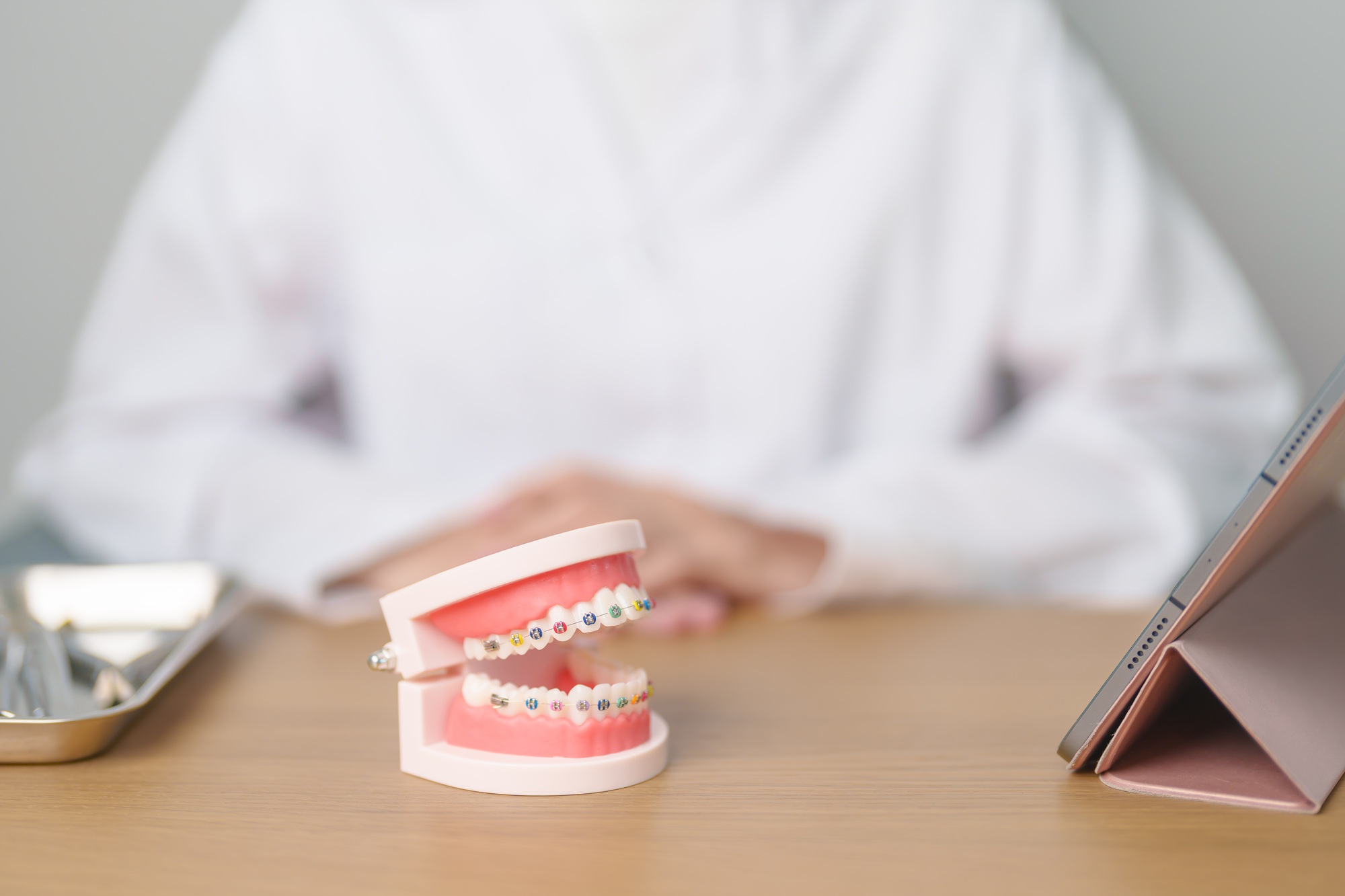
Braces consist of brackets that are bonded to the teeth and connected by wires. They apply consistent pressure to move teeth into proper alignment over time.
| Feature | Braces |
|---|---|
| Visibility | Noticeable |
| Treatment Time | 18–30 months on average |
| Effectiveness | Highly effective for complex cases |
| Maintenance | Regular adjustments required |
| Cost | Typically lower than clear aligners |
Braces are a time-tested method for correcting various dental issues, including overcrowding, gaps, and bite misalignments. They are often recommended for individuals with more severe dental issues and can be covered by various insurance plans, including those offered by Anthem).
Aligners Overview
Clear aligners, such as Invisalign, offer a more discreet alternative to traditional braces. These removable trays are custom-fitted to the patient’s teeth and gradually shift them into alignment.
| Feature | Clear Aligners |
|---|---|
| Visibility | Virtually invisible |
| Treatment Time | 12–18 months on average |
| Effectiveness | Best for mild to moderate corrections |
| Maintenance | Requires changing trays every 1–2 weeks |
| Cost | Generally higher compared to braces |
Clear aligners can be more convenient for adults or seniors who prefer not to showcase metal brackets. They allow for easy removal, making eating and oral hygiene simpler. However, aligners may not be suitable for more complex orthodontic needs. Many insurance plans, such as those from Anthem, often provide partial coverage for aligners as well.
When comparing options like braces and aligners, individuals should consider factors such as the complexity of their dental needs, lifestyle preferences, and budget. Both solutions can lead to effective results for oral health when chosen appropriately. For those inquiring specifically about braces for seniors covered by anthem bcbs, it is essential to verify coverage details under the plan.
Considerations for Kids
When parents consider orthodontic options for their children, they must evaluate specific orthodontic needs and how various lifestyles can impact treatment. Understanding these factors ensures parents make informed decisions regarding braces or aligners.
Orthodontic Needs for Children
Orthodontic needs for children vary significantly depending on their dental development. Many kids may require braces or aligners to address issues such as crowded teeth, gaps, or bite misalignments. Early assessment by a dental professional can help identify the right timing for treatment.
Anthem offers dental insurance plans that cover braces for kids. These plans also include coverage for dental injuries from sports activities and preventive services like fluoride treatments and sealants (Anthem). This ensures children receive comprehensive care as they navigate through their dental growth.
For parents seeking orthodontic treatment for their children, here are some common needs:
| Orthodontic Need | Description |
|---|---|
| Crowded Teeth | Overlapping or tightly packed teeth |
| Gaps | Spaces between teeth |
| Bite Issues | Misalignment of upper and lower teeth |
| Early or Late Loss | Issues related to loss of primary teeth |
Lifestyle Impact on Orthodontic Treatment
A child’s lifestyle can significantly influence the choice between braces and aligners. Activities such as sports, musical instruments, and everyday habits must be considered. For instance:
- Active Sports: Children engaged in contact sports may benefit from traditional braces. These braces are typically more durable and can handle the rigors of physical activity.
- Hygiene and Maintenance: Aligners may be preferable for children who are adept at maintaining oral hygiene, as they can be removed for brushing and flossing. This is particularly important to mitigate issues like cavities during treatment.
- Aesthetic Preferences: Some children may prefer aligners due to their discreet nature. Aligners can be a good option for children who feel self-conscious about wearing traditional braces.
Parents should also consider their child’s commitment to wearing aligners if chosen. Failure to wear them as directed can prolong treatment timelines. With the right guidance, selecting the appropriate orthodontic solution can align with their child’s lifestyle and needs effectively.
For additional insights on this topic or to explore how orthodontic treatment can be tailored to suit individual circumstances, parents can refer to options on adult braces covered by anthem bcbs and other related plans.
Factors for Adults
Orthodontics for Adults
As adults consider orthodontic treatment, they are often focused on aesthetics and the need for a long-term solution. Many adults seek options for straightening their teeth and improving oral health. Common choices include traditional metal braces, ceramic braces, and clear aligners. Each option has its unique benefits depending on an individual’s specific needs and lifestyle preferences.
For adults, orthodontics can serve not only cosmetic purposes but also functional ones, addressing issues like bite misalignment and tooth crowding. According to Anthem, braces are included in their individual dental plans which cater to the orthodontic needs of seniors and other adults. Understanding the available choices allows adults to make informed decisions.
| Orthodontic Option | Description | Ideal For |
|---|---|---|
| Metal Braces | Traditional braces made of stainless steel | Those wanting a reliable and effective option |
| Ceramic Braces | Less noticeable than metal; made of tooth-colored materials | Adults seeking discretion |
| Clear Aligners | Removable plastic trays that gradually shift teeth | Those looking for convenience and aesthetics |
Options like adult braces covered by anthem bcbs and other insurance plans can ease the financial burden of these treatments.
Lifestyle Considerations for Adult Treatment
Lifestyle plays a significant role in determining the best orthodontic treatment for adults. Busy schedules, social commitments, and personal preferences can affect the type of orthodontic care one should choose.
For instance, clear aligners are often preferred by adults who maintain a fast-paced lifestyle; they are removable and less visible, which makes them more convenient for social situations and work environments. On the other hand, traditional braces may be better suited for those who do not mind the appearance and are primarily focused on achieving quick results.
When considering treatment, adults should also think about their ability to commit to wearing aligners for the recommended hours each day. Maintenance and hygiene practices differ between options, affecting daily routines. Costs can vary, so individuals should explore their options based on available coverage such as orthodontic insurance coverage for adults with bcbs or inquire about providers that accept plans like Aetna or Cigna.
By acknowledging how lifestyle choices impact orthodontic decision-making, adults can select the treatment that aligns with their personal needs and enhances their overall dental health.
Insurance Coverage Considerations
Anthem Dental Plans Overview
Anthem offers a variety of individual and family dental insurance plans that cater to different dental needs. These plans are designed to cover essential services such as braces, orthodontics, and dentures. For seniors looking for dental coverage that goes beyond basic care, Anthem provides options that may include better benefits for the whole family, depending on the specific state of residence (Anthem).
Anthem’s dental plans are structured to provide a comprehensive approach to dental health. This typically includes coverage for preventive care, basic, and major procedures, as well as specific orthodontic treatments like braces.
Orthodontic Coverage with Anthem
For seniors seeking braces, Anthem’s dental insurance plans include orthodontic coverage that can help reduce the financial burden associated with orthodontic treatment. Plans designed for seniors often address common age-related dental issues, such as gum disease, and may also cover costs for related treatments like dentures and crowns (Anthem).
Below is a summary of orthodontic coverage features typically found in Anthem dental plans:
| Coverage Feature | Description |
|---|---|
| Orthodontic Services | Coverage for braces and clear aligners |
| Deductibles | Vary by plan, may require a deductible |
| Co-Payments | Set co-payment for orthodontic services |
| Maximum Benefit Limit | Annual limits on orthodontic treatment |
| Age Limits | Coverage typically available for seniors |
Such coverage ensures that individuals can receive necessary orthodontic treatments without a substantial out-of-pocket expense. To find providers that accept Anthem insurance for braces, it is advised to check with local orthodontists or consult directly through the orthodontist that accepts anthem bcbs for adults.
For additional resources on understanding your coverage and planning for orthodontic treatment, explore articles related to dental insurance coverage for older adults’ braces, which provide further insights into available options.
Choosing Based on Age
When considering orthodontic options, it is essential to take age into account to ensure the best fit for treatment. For seniors, the available choices can significantly differ from those of younger patients.
Orthodontic Options for Seniors
Seniors often face distinct dental challenges, including conditions related to aging such as gum disease and tooth loss. Anthem offers dental insurance plans that include coverage for braces and orthodontics, making it easier for seniors to pursue needed adjustments. The coverage can help alleviate costs associated with other dental procedures that seniors may require, such as dentures and crowns (Anthem).
| Coverage Aspect | Details |
|---|---|
| Plan Type | Individual dental plans that cover orthodontics and braces |
| Conditions Covered | Aging-related issues like gum disease treatment |
| Cost Aspect | Average $360 per year; $15 to $50 monthly depending on plan |
| Flexibility | No waiting periods for services and low deductibles |
Age-Appropriate Orthodontic Choices
Orthodontic choices for seniors primarily include traditional metal braces, ceramic braces, and sometimes, clear aligners. Each has its own set of benefits depending on lifestyle and preferences.
Metal Braces: These are the most common type and are effective for significant realignment needs. They tend to be less expensive and can often be covered by insurance plans like adult braces covered by anthem bcbs.
Ceramic Braces: These offer a more aesthetic option, as they blend with the natural color of teeth, making them less noticeable. They are ideal for individuals who may feel self-conscious about wearing braces at an older age.
Clear Aligners: Clear aligners provide a more flexible orthodontic solution, appealing to seniors who prefer a more discreet option. However, not all older adults may be good candidates for these, especially if they have severe orthodontic issues.
Understanding the specific dental needs and personal preferences can aid seniors in making informed decisions regarding their orthodontic treatment. For more personalized guidance, consulting with an orthodontist can provide insights into the best options available. This can include evaluating orthodontic insurance coverage for adults with bcbs to ensure the selected treatment is affordable.
Lifestyle and Treatment
Aligners for Active Lifestyles
Clear aligners are an appealing choice for individuals with active lifestyles. They are removable, which allows users to take them out during sports, exercise, or any physical activity without risking damage to the aligners or harm to the teeth. This flexibility makes them a convenient option for those who might find traditional braces cumbersome or restrictive. Additionally, clear aligners are invisible, providing a discreet option for adults and kids alike who may be self-conscious about their orthodontic treatment.
Clear aligners also promote better oral hygiene since they can be removed during brushing and flossing. This ensures that users can maintain their dental health without the challenges often associated with traditional braces, where food particles can become trapped and lead to plaque buildup.
| Feature | Clear Aligners |
|---|---|
| Removability | Yes |
| Visibility | Almost invisible |
| Oral Hygiene | Easier to maintain |
| Comfort | Generally more comfortable |
| Treatment Time | Varies, often quicker than braces |
For those considering aligners, it’s important to follow the orthodontist’s recommendations on wear time. They need to be worn for the majority of the day to be effective, and regular check-ins with the orthodontist ensure the treatment is on track.
Braces for Specific Lifestyles
Braces, while less discreet than aligners, might be a better fit for certain lifestyles. For instance, individuals who may forget to wear their aligners daily or those with complex dental issues may benefit from the stability and effectiveness of braces. Traditional braces provide continuous pressure on the teeth, which can effectively address various orthodontic concerns, such as bite issues or severe misalignments.
Braces are generally more suitable for individuals who may not be able to adhere strictly to the discipline required with removable aligners. They remain in place until the treatment is completed, which can ensure that the user does not inadvertently skip their orthodontic treatment regime.
| Feature | Braces |
|---|---|
| Removability | No |
| Visibility | Visible |
| Oral Hygiene | More challenging |
| Comfort | May cause initial discomfort |
| Treatment Time | Generally longer than aligners |
While wearing braces, users should definitely pay attention to their diet. Certain foods can be problematic for braces wearers, such as hard or sticky foods, which can damage the brackets or cause discomfort.
In summary, the choice between aligners and braces may hinge on an individual’s lifestyle, compliance with treatment, and specific dental needs. Each option has unique benefits tailored to various situations, whether it’s the versatility of aligners for active lifestyles or the reliability of braces for complex orthodontic issues.


