
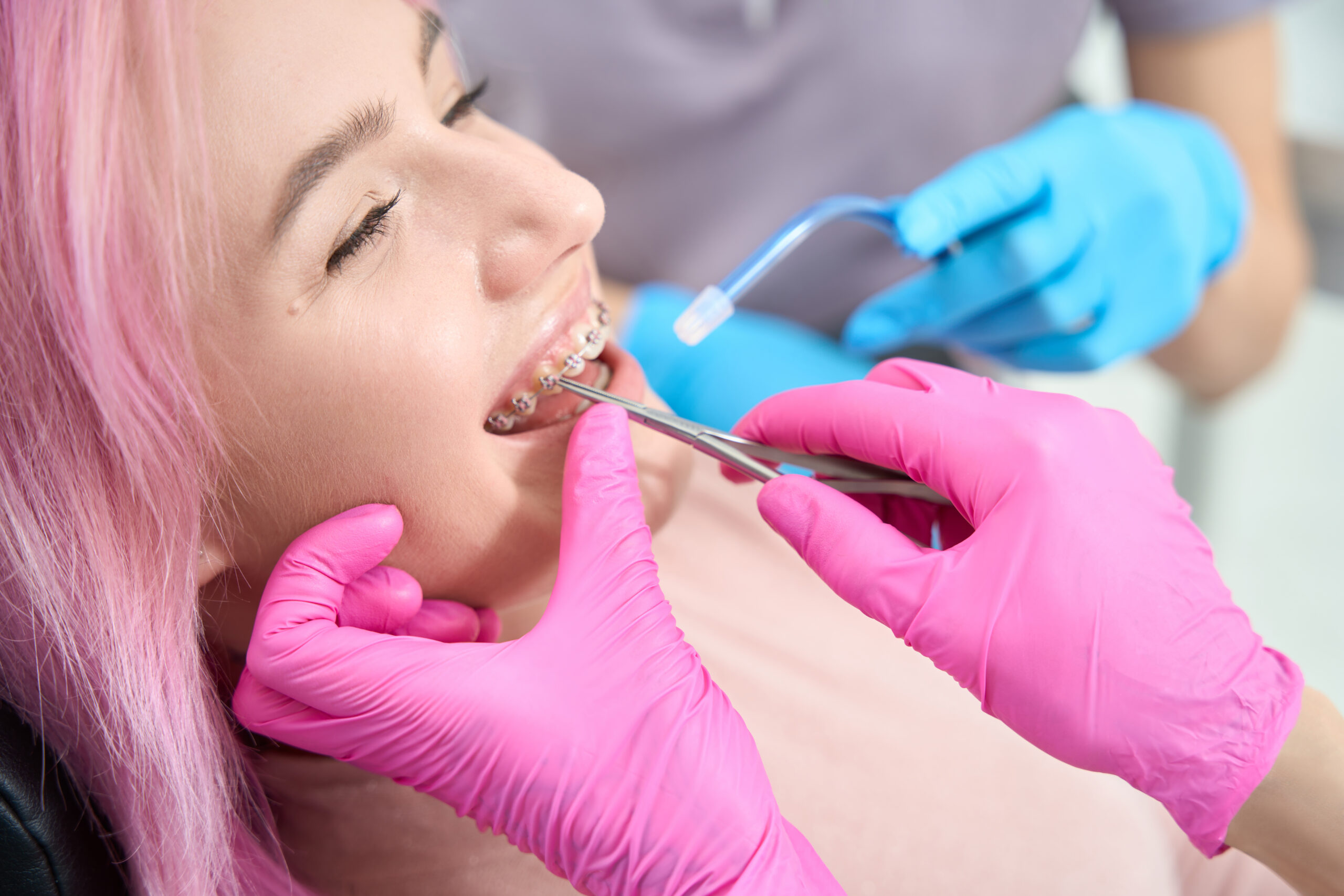
Sealant application during braces can make a world of difference in protecting your teeth and ensuring a healthy, confident smile. When you introduce braces into your life, you naturally face a few unique challenges—diligent oral hygiene becomes crucial, and plaque or food debris can become more difficult to remove. By adding dental sealants, you establish an additional layer of defense against decay, reducing your risk of cavities and strengthening your teeth throughout your orthodontic journey. In this guide, you will discover how sealant application works, why timing is so important, how you can maintain comprehensive care, and why turning to a supportive, empathetic practice like Wright Orthodontics can help you achieve successful, long-lasting results.
Explore sealant application during braces
Dental sealants provide a thin, protective coating placed on the chewing surfaces of molars to guard these surfaces against decay. According to Beach Braces, sealants work by filling in the naturally occurring pits and grooves of your tooth, preventing plaque and food particles from settling in areas that can be challenging to clean. Especially when you wear braces, brackets and wires can obstruct parts of your tooth’s surface, increasing the likelihood of decay in hard-to-reach areas.
- Material components: The majority of dental sealants contain plastic or resin-based substances. Options such as resin-based sealants, glass ionomer sealants, or even those that release fluoride are common. (Urbach Pediatric Dentistry)
- Application process: Your dental professional will thoroughly clean the tooth, dry it, then apply an etching substance to create a slightly rough surface. This step helps the sealant adhere securely. After rinsing and drying again, the sealant is painted onto the tooth and cured with a special light. (Thomson Medical)
- Durability: With proper care, sealants can last up to ten years. However, they should still be inspected regularly to confirm they remain intact. (Beach Braces)
When paired with braces, sealants can stand as your first line of defense, helping to maintain strong enamel even if plaque tries to accumulate around brackets. This proactive measure goes a long way in reducing the risk of cavities during a pivotal stage—when teeth are shifting and more vulnerable to plaque buildup.
Recognize unique challenges with braces
Wearing braces presents several unique challenges that can also influence your decision to seek sealant application. Particularly with bracket-and-wire systems, brushing and flossing become more intricate tasks. Food trapped near brackets or under wires can escape immediate detection, setting the stage for cavity-causing bacteria to flourish.
- Plaque accumulation: Braces create extra nooks and crannies that can allow plaque to hide, sometimes building up faster than expected. Over time, the acid produced by this plaque can weaken your tooth enamel.
- Hard-to-clean molars: Even without orthodontic treatment, molars have deep grooves. While wearing braces, these crevices become more susceptible to trapped food debris.
- Greater cavity risk during orthodontics: A combination of increased plaque buildup, restricted brushing angles, and normal teenage or adult diet patterns can create a heightened risk of tooth decay.
An empathetic, fully informed approach to your oral health acknowledges these challenges. Applying sealants during braces can act as a protective net, reducing the effect of daily wear on your enamel. This is especially important for younger patients who might be less adept at meticulous cleaning, but it also applies to adults who lead busy lives or frequently snack on the go. By recognizing these obstacles, you can take concrete steps to protect your smile and establish a solid foundation for the rest of your orthodontic treatment.
Benefit from a supportive environment
When it comes to orthodontic care, a supportive environment is more than an appealing concept—it is central to your success. Choosing a practice that understands your unique challenges can set the tone for a fruitful orthodontic experience, especially when you incorporate sealant application into your treatment plan. Much like men’s rehabilitation centers that prioritize empathy and specialized support, a patient-centered orthodontic practice offers the reassurance and guidance you need.
- Emotional support: Encountering discomfort, uncertainty, or stress when you first get braces is not unusual. A compassionate orthodontic team can help you adapt to these new routines and responsibilities, answering questions and providing the support necessary for lasting results.
- Open communication: Having a clear channel of communication with your orthodontist fosters comfort and confidence. Whether it is discussing the best time to apply sealants or learning about braces-friendly foods, open dialogue eases your concerns every step of the way.
- Individualized plans: Not all smiles are the same. By tailoring treatment programs to your lifestyle, diet, or particular oral health needs, you ensure that solutions like sealants align seamlessly with the progress of your braces.
At Wright Orthodontics, our team believes the best outcomes begin with a compassionate, understanding environment where we address every aspect of your care. This empathetic collaboration allows you to master your oral hygiene routine—including how to make the most of sealants—while remaining motivated and hopeful about your final result.
Discover a tailored treatment approach
Much like specialized programs that recognize the unique aspects of men’s-only rehab, orthodontic care should be equally personalized. Each set of teeth has its own history, structure, and susceptibility to cavities. By adopting a tailored treatment plan, you can feel assured that your oral health receives the comprehensive care it deserves.
Customized sealant protocols
While dental sealants are widely recognized as beneficial, the application may differ based on your age, orthodontic progress, or tooth surface conditions. For teenagers with newly erupted molars, sealants offer an early advantage. If you already have braces in place, your orthodontic specialist might suggest focusing on the molars that are fully accessible, then adding sealants to remaining surfaces after the brackets are removed. This ensures every tooth is treated systematically.
Integration with other interventions
Dental sealants align perfectly with other preventive therapies, such as fluoride treatments. For an extra layer of protection against enamel erosion, you can also explore our fluoride treatment orthodontics service. By combining fluoride and sealants, we work to address multiple dimensions of cavity prevention simultaneously.
Emphasis on ongoing monitoring
Unlike one-size-fits-all methods, a personalized plan anticipates regular check-ups so your orthodontic team can ensure the sealants remain intact and evaluate your braces’ progress. This approach is similar to how rehab programs rely on constant reassessment to track progress and fine-tune strategies for success. You will meet with your orthodontic team periodically to evaluate tooth movement, examine sealants, and reinforce your daily oral care routine.
One of the significant benefits of a tailored approach is that it views you—the patient—as an active participant in your oral health. This perspective fosters education, reassurance, and empowerment, giving you the confidence to manage your braces and sealants effectively.
Learn about sealant timing
In discussing sealant application during braces, the question of timing often arises. Many orthodontic professionals recommend applying sealants before braces go on so the molars are fully protected from the first day of treatment. However, research from Arizona Family Dentistry shows that sealants can also be applied while braces are in place—provided the teeth in question are accessible—and after the braces are removed for continued protection.
Before braces
Placing sealants before you begin orthodontic treatment may be the most convenient method. Once it is time to put on your brackets, you already have an added safeguard against plaque buildup. This timing also reduces your chance of developing cavities in the early stages of wearing braces, when you are still mastering the new brushing and flossing techniques that keep plaque at bay.
During braces
If your braces are already on, do not worry. As long as the surfaces of your molars are accessible, you can still opt for sealants. Trained professionals carefully work around the wires and brackets, ensuring that the sealant bonds only with the tooth’s chewing surface. This solution is less common because it can be more difficult to reach certain areas, but it remains an effective adaptive approach in many situations.
After braces
Once your orthodontic treatment concludes, sealants can safeguard your newly straightened smile. If you were unable to receive sealants beforehand or if you require additional protection, post-braces sealants ensure long-term preventive care and reduce the chance of future decay.
Regardless of timing, the key is to stay proactive. If you or a loved one is considering braces—or if you are currently wearing them—speak with your orthodontic provider about your options. The right timing can set you up for the most effective protection possible.
Maintain a comprehensive oral care routine
Even with top-quality sealants protecting your molars, thorough oral hygiene remains a central principle of oral well-being. Think of sealants as a perfect ally—but not a substitute—for daily brushing, flossing, and regular orthodontic visits. Without a strong oral hygiene practice, plaque can still accumulate around the brackets and gumline, eventually posing the threat of cavities and gum inflammation.
Key hygiene steps
- Brush at least twice a day: Spend extra time reviewing those bracket-covered areas. Specialized toothbrushes, interdental brushes, or water flossers can help flush out stubborn debris.
- Floss or use specialty flossers daily: Cleaning between the teeth may be challenging, but the effort pays off. You want to prevent plaque from lodging near the gumline or in tiny spaces your brush may miss.
- Rinse with fluoride mouthwash: Strengthen your enamel further with an at-home fluoride rinse, complementing the benefits of your sealant.
- Eat braces-friendly foods: Hard or sticky items such as ice, popcorn kernels, and chewy candy make it easier for plaque to linger. Instead, lean toward softer, nutrient-rich choices like yogurt, cooked vegetables, or lean protein.
Pairing with professional visits
These steps, alongside regular check-ups, keep you informed of any early warning signs like sealant chipping or bracket damage. During scheduled orthodontic follow up visits, your orthodontic team can quickly detect and address any problems. By repairing a damaged sealant or re-bonding a loose bracket, you ensure that your protective measures stay strong.
Ultimately, the power of any preventative practice comes from consistency. By making sealants, proper brushing, flossing, and professional visits parts of your daily and monthly routines, you create a reliable environment where your braces not only straighten your teeth but also maintain overall dental health. Particularly for those who experience frequent snacking or have busy lifestyles, these measures are integral to preventing minor issues from escalating.
See how Wright Orthodontics helps
Selecting the right orthodontic practice can be transformational. Much like a specialized center dedicated to a certain type of care, Wright Orthodontics offers you a comprehensive experience that prioritizes your distinct needs. Our approach focuses on delivering a supportive environment, individualized plans, and cutting-edge orthodontic technology.
Advanced technologies
Staying on the forefront of orthodontics allows us to offer solutions that minimize discomfort and shorten treatment times. By using orthodontic digital scan service and the latest 3d orthodontic imaging, we capture a precise image of your teeth. This data can help us devise digital treatment plans and accurately identify the best areas for sealant application. Such a highly detailed approach ensures you receive the thorough preventive care that lasts well beyond your time in braces.
Tailored braces and aligner programs
In addition to braces, you or a loved one might consider exploring our invisalign teen program or invisalign adult aligners. Custom-fitting clear aligners, combined with preventive treatments like sealants, can streamline your workflow toward a perfect smile. We also provide accelerated orthodontics options for those seeking faster results without compromising the quality of care.
Emphasis on prevention
Our stance on prevention is firm: whether you are scheduling an early orthodontic referral services visit or wrapping up braces, consistent vigilance reduces your chances of post-orthodontic cavities. Sealant application is just one measure among many, and we are committed to developing strategies that streamline your orthodontic journey, protect your teeth, and help you achieve excellent results.
Our ultimate goal is to deliver a holistic experience where your braces journey fosters a healthy, confident smile. From the preliminary consultation to your final retainer fitting, Wright Orthodontics is here to guide you with empathy, professionalism, and the advanced expertise that sets us apart.
FAQs about sealant application
1. How does sealant application during braces work?
Sealants are typically bonded to the chewing surfaces of your molars. If your braces are already on, your orthodontic specialist will carefully isolate the tooth and work around the wires and brackets. Quick and painless, the process involves cleaning and drying the tooth, then placing a bonding agent and sealant that hardens under a curing light. Once finished, your tooth gains a shield against trapped food particles and plaque, reducing your chance of developing cavities.
2. Will sealants interfere with braces or the bonding of brackets?
No, sealants do not interfere with the placement or performance of your brackets. Braces generally occupy the front surface of a tooth, while sealants protect the top chewing surface. Research from Arizona Family Dentistry emphasizes that keeping your tooth surfaces clean and dry is essential for the sealant to adhere properly. Once cured, the sealant stays put, safeguarding your tooth for an extended period without affecting your orthodontic hardware.
3. Are sealants only suitable for children and teens?
Though sealants are popular among children and adolescents, adults can absolutely benefit from them as well, especially if they wear braces. If you notice that your molars have deep grooves or you have struggled with cavities before, ask your orthodontist if sealants might be a good fit. Even adults with established dental routines and thorough brushing techniques can benefit from the extra protection sealants provide.
4. How long do sealants last, and do they need maintenance?
Dental sealants can remain effective for several years—often between 5 and 10, depending on oral habits and regular check-ups. During routine appointments, your orthodontic team or dentist will observe your sealants for signs of wear or chipping. If necessary, they can repair any damaged sections by applying new sealing material. This proactive approach offers ongoing protection, ensuring the wear and tear of daily life does not expose your teeth unnecessarily to decay.
5. Can I combine sealants with other preventive treatments?
Yes, combining sealant application with additional preventive methods is highly advantageous. For improved enamel strength, use fluoride toothpaste and visit your orthodontic office for periodic fluoride treatments. With braces, you may want to consider a fluoride rinse for daily use to keep those hard-to-reach places healthier. A thorough brushing and flossing routine, along with a balanced diet, rounds out your strategy for best results—both immediately and long after your braces are removed.
Moving forward with confidence
Sealant application during braces is an investment in lifelong oral health. By addressing the unique challenges posed by brackets and wires, sealants provide the additional level of protection you need to minimize cavities and maintain strong, healthy enamel. If caring for braces sometimes feels like an uphill climb, rest assured that credible expertise, solid technology, and an empathetic team can dramatically reduce your workload.
At Wright Orthodontics, we are committed to offering innovative, personalized solutions that streamline your orthodontic journey. From sealant applications to specialized braces programs, every facet of your experience is designed to foster a sense of confidence, support, and motivation. When you embrace helpful measures like sealant application—particularly as part of a broader plan that includes thorough oral hygiene, regular check-ups, and consistent monitoring—you give yourself the best chance at a successful, cavity-free outcome.
Ultimately, choosing Wright Orthodontics means choosing comprehensive care, individualized plans, and a supportive environment where your questions are answered, your needs are heard, and your comfort is prioritized. If you or a loved one is considering braces or is already on the orthodontic path, talk with us about adding sealants into your treatment plan. Together, we can protect your teeth at every stage of the journey, ensuring that your future smile radiates health, confidence, and longevity.


