
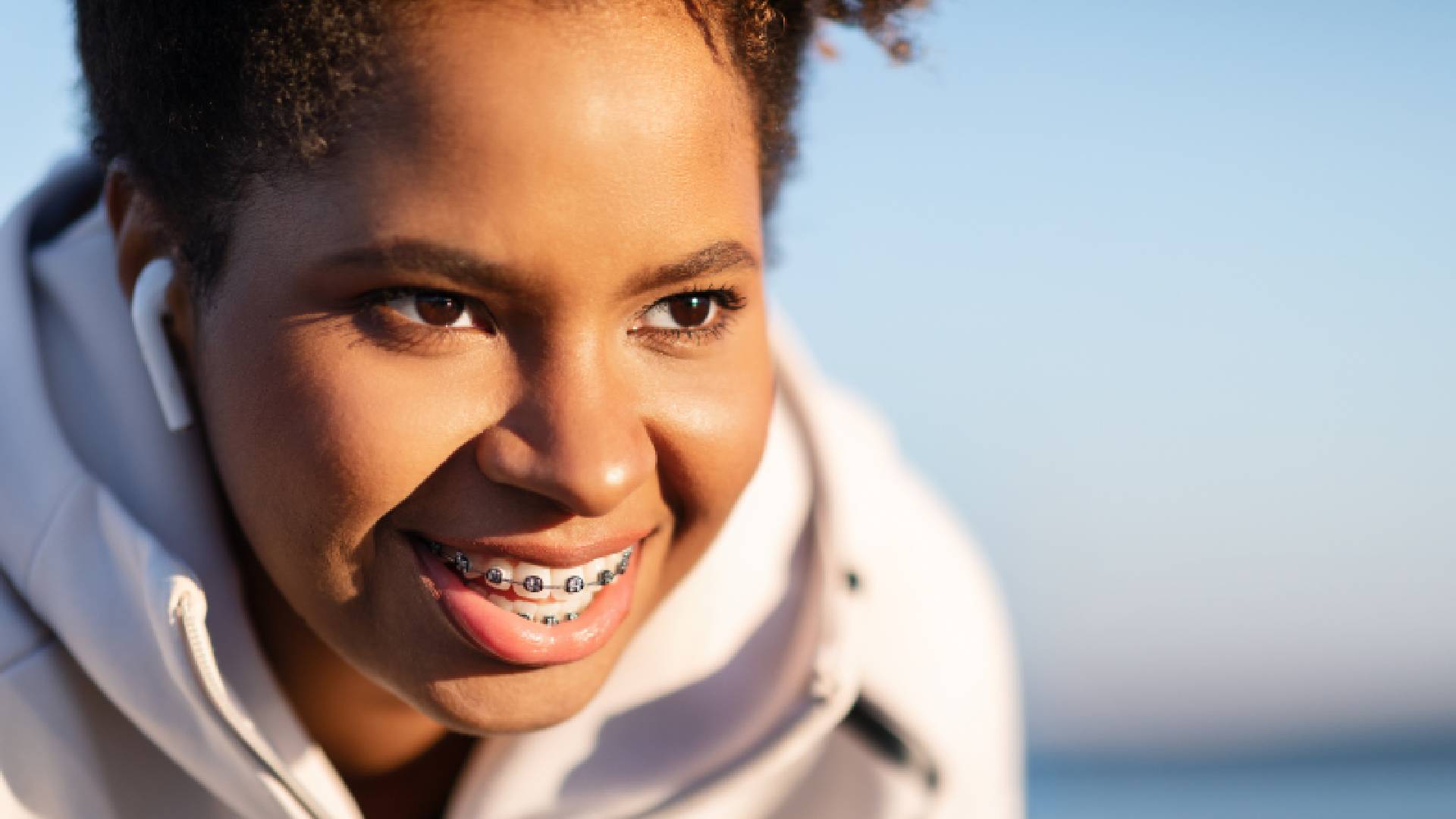
Understanding clear braces
When you begin exploring clear braces options, you want a solution that blends aesthetics with effective orthodontic care. Transparent braces provide discreet tooth movement, ideal if you or your child feels self-conscious about bulky metal hardware. Whether you choose ceramic brackets bonded to the front of your teeth or removable clear aligners, each alternative carries unique benefits and considerations. This guide walks you through the most popular clear orthodontic alternatives, helping you make a confident decision about your smile.
Types of clear braces
Several clear orthodontic alternatives are available today, each tailored to different lifestyles and treatment goals.
Ceramic braces
Ceramic braces use tooth-colored or clear brackets bonded to the front of your teeth, connected by frosted wires that blend with your natural enamel. These brackets apply the same controlled force as traditional metal braces, gradually shifting teeth into proper alignment.
- Typical cost range: $4,000–$8,000 (materials may require more frequent repairs)
- Treatment duration: 12–36 months depending on case complexity
- Common uses: crowding, gaps, mild to moderate misalignments
- Learn more about ceramic braces treatment
Clear aligners
Clear aligners are custom-made, removable trays that fit snugly over your teeth. They apply gentle pressure to guide teeth into position in staged increments, changing trays every one to two weeks.
- Typical cost range: $3,000–$7,500 when treated in-office; mail-order services start at $795 (no in-office visits) [1]
- Treatment duration: average 12–24 months (varies by severity)
- Common uses: mild to moderate crowding, spacing, occlusal adjustments
- Benefits: removable, easy oral hygiene, no dietary restrictions
Lingual braces
Lingual braces attach to the back (lingual) surfaces of your teeth, making them virtually invisible from the front. They use custom-bent metal wires for tooth movement.
- Typical cost range: $8,000–$10,000
- Treatment duration: 18–36 months
- Common uses: complex misalignments, bite corrections
- Considerations: adjustment period for speech, greater initial discomfort
Benefits of clear braces
Choosing a discreet orthodontic solution can enhance both function and confidence. Key advantages include
- Aesthetic appeal: clear or tooth-colored materials blend with natural teeth, reducing visibility
- Enhanced confidence: wearers often feel less self-conscious at work, school, or social events
- Improved hygiene: removable aligners let you brush and floss normally, reducing plaque [2]
- Adjustable comfort: ceramic brackets often feature rounded edges; aligners are custom-fit
- Versatility: clear braces address a wide range of orthodontic issues, from overcrowding to bite alignment
Drawbacks to consider
While discreet, clear orthodontic alternatives carry certain trade-offs
- Staining risk: ceramic brackets and clear trays can discolor from coffee, tea, or tomato sauce [3]
- Fragility: ceramic brackets may chip or break more often than metal; clear aligners require diligent handling
- Longer treatment: clear options can take 12–36 months vs 20 months average for metal braces [3]
- Maintenance: removable aligners must be cleaned after eating; missing trays delays progress
- Cost: many clear solutions exceed $7,000, depending on type and provider
- Insurance limits: most plans cover children under 18 partially; adult coverage is rare [4]
Comparing your options
Below is a comparison of the three main clear orthodontic alternatives available today.
| Feature | Ceramic braces | Clear aligners | Lingual braces |
|---|---|---|---|
| Visibility | Low-profile, tooth colored | Virtually invisible | Hidden behind teeth |
| Treatment duration | 12–36 months | 12–24 months | 18–36 months |
| Cost range | $4,000–$8,000 | $3,000–$7,500 in-office; $795+ mail-order | $8,000–$10,000 |
| Adjustability | In-office wire adjustments | At-home tray changes | In-office wire adjustments |
| Oral hygiene | Floss threaders, careful brush | Remove trays, normal brushing and flossing | Floss threaders, careful brush |
| Staining susceptibility | High | Low with proper cleaning | Low |
| Comfort level | Moderate | High (custom fit) | Moderate to low |
Cost and financing
Understanding financial commitments up front helps you avoid surprises.
-
Insurance coverage
Most health plans exclude adult orthodontics but may cover minors under 18. If your plan lacks benefits, you can purchase supplemental orthodontic insurance [4]. Medicaid may fund braces deemed medically necessary. -
Tax deductions
Braces count as medically necessary treatment. If your out-of-pocket expenses exceed a certain threshold, you may deduct them on your federal tax return. -
Payment plans
Many orthodontic offices provide interest-free or low-interest braces payment plans, allowing you to spread costs over months or years. -
Mail-order aligners
Providers like AlignerCo eliminate in-office markups, offering clear trays starting at $795, with monthly payments as low as $66 [1].
Treatment process overview
Your journey to a straighter smile follows several key phases.
Consultation and evaluation
Your first step is an orthodontic consultation appointment. During this visit, your specialist assesses bite, alignment, and oral health. You may also schedule an early orthodontic evaluation if you are a child or teen.
Treatment planning
After assessment, your orthodontist creates a customized plan, outlining bracket or aligner selection, tooth movements, and estimated timeline. This planning phase often involves 3D imaging and impressions to map your treatment accurately [5].
Adjustment visits
-
Braces tightening
Ceramic and lingual braces require wire adjustments roughly every 4–8 weeks. You will attend a braces tightening appointment to secure new wires or elastics. -
Aligner checks
Clear aligner patients typically return every 6–12 weeks for progress review and new trays. -
Monitoring visits
Regardless of type, you will schedule orthodontic monitoring visits to track tooth movement and address any concerns.
Retention phase
Once active treatment ends, retainers help maintain your results.
- Removable or fixed retainers prevent teeth from shifting back.
- Your orthodontist may recommend orthodontic retainer services such as fixed retainer bonding or removable retainer fitting.
- Regular follow-ups ensure your smile stays in place.
Choosing the right option
Selecting your ideal clear orthodontic solution depends on
- Treatment goals: mild crowding may suit clear aligners; complex bite issues often require lingual or ceramic braces
- Lifestyle: if you need flexibility for sports or public speaking, aligners offer removable convenience
- Budget: compare costs, insurance benefits, and financing options early
- Oral hygiene habits: aligners allow standard brushing and flossing; ceramic brackets demand extra care
- Comfort preferences: consider bracket material sensitivity and initial speech adaptation
Discuss these factors with your orthodontist to identify the best match for your unique needs.
Preparing for treatment
A successful orthodontic outcome begins before braces or trays arrive.
- Maintain excellent oral hygiene with thorough brushing and flossing, following any orthodontic hygiene instruction provided.
- Avoid sugary snacks and hard foods that can damage brackets or trays.
- Stock up on cleaning tools: interdental brushes, wax for irritation, retainer cases.
- Plan for regular office visits around your work or school schedule.
- Discuss any special concerns—such as playing an instrument or contact sports—with your orthodontist so they can tailor your care.
By preparing in advance, you set the stage for a smoother, more comfortable treatment experience.
Next steps
Choosing the right clear orthodontic solution can transform your smile and boost your confidence. Schedule your orthodontic consultation appointment at Wright Orthodontics to discuss your goals and financial options. Our team will guide you through every phase—from initial evaluation to retention—ensuring you receive the compassionate, expert care you deserve. Take the first step toward a discreet, effective path to a healthier smile today.


