
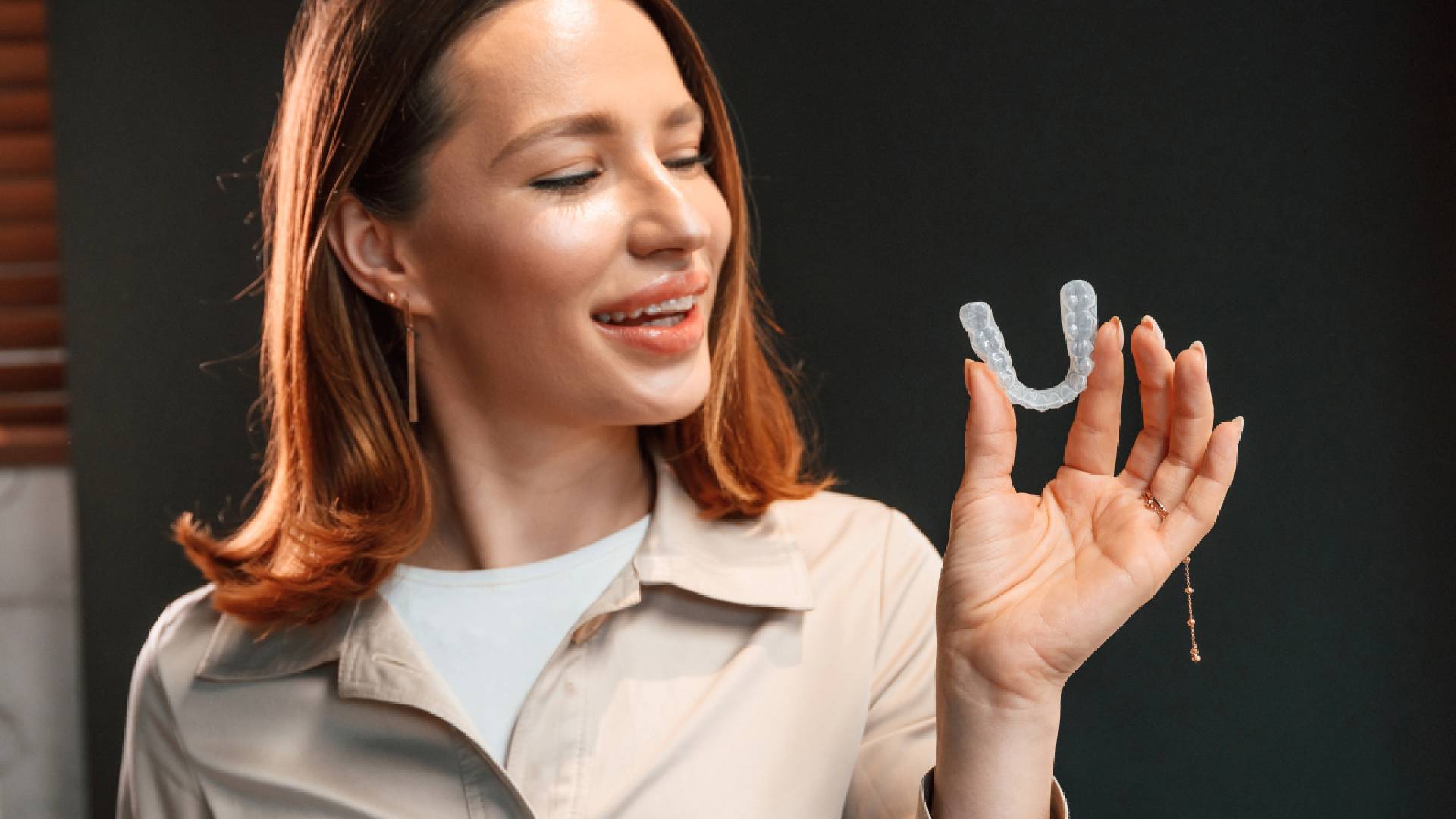
When you complete orthodontic treatment, a properly executed removable retainer fitting is crucial to preserving your newly aligned teeth. Whether you’re a teen, an adult, or a parent exploring braces options for your child, understanding how retainers work and how to wear and care for them ensures lasting results. In this guide, you’ll find clear insights into why retention matters, how different types of removable retainers compare, what happens during your fitting appointment, and best practices for wear, cleaning, and replacement. By following these recommendations, you can protect your smile investment and enjoy confidence in your orthodontic outcome.
Understand retainer importance
Why retention matters
After braces or clear aligners straighten your teeth, natural forces like chewing and soft-tissue pressure can shift them back. Retention stabilizes your results by applying gentle pressure to prevent relapse. A well-fitted removable retainer helps maintain alignment long term, reducing the need for future corrective treatment.
Role of removable retainers
Removable retainers offer flexibility—you can take them out for meals and oral hygiene—while preserving your teeth position. They serve two main functions:
- Holding teeth in their finished alignment during the initial healing phase
- Maintaining that alignment for life with nightly wear
Compare fixed vs removable
Most patients choose removable retainers, but understanding the alternatives helps you make an informed decision.
H4: Benefits of removables
- Easy to clean teeth and appliance
- No dietary restrictions
- Option to nudge minor shifts back into place
H4: Drawbacks of fixed
- Permanent wire bonded behind front teeth
- Requires special floss and hygiene measures
- May complicate dental restorations
Compare retainer options
When you discuss retention with your orthodontist, you’ll decide among several removable designs based on durability, aesthetics, and cost.
| Retainer type | Material | Typical lifespan | Pros | Cons |
|---|---|---|---|---|
| Hawley | Acrylic base and wire | 5–10 years | Adjustable, durable | Visible wire, bulkier feel |
| Essix (clear plastic) | Vacuum-formed plastic | ~3 years | Nearly invisible, comfortable | Less durable, prone to cracking |
| ATLB* (translucent labial bow) | Fiber-reinforced composite | Varies | Highly aesthetic, fracture-resistant | Limited availability, higher cost |
*Astics Translucent Labial Bow offers an alternative aesthetic to traditional Hawley designs [1].
Prepare for fitting appointment
Gather your records
Before your retainer fitting, assemble documentation of your recent treatment progress—X-rays, aligner scans, or adjustment notes. Bringing these to your orthodontic consultation appointment ensures your provider has full context.
Schedule your consultation
Contact our office to book a dedicated retainer session. A focused appointment helps your orthodontist capture precise impressions or digital scans without time pressure. If you’re just starting orthodontic care, explore our early orthodontic evaluation or orthodontic treatment planning services.
Discuss treatment plan
Use this visit to clarify your retention strategy. You might transition from full-time wear to nightly use after several months, and you may choose add-on options like bleaching trays or protective guards. Reviewing costs and payment options, including our braces payment plans, helps you budget for lab fees and follow-up visits.
Experience fitting procedure
Digital impressions
Many orthodontists now use a handheld wand to take 3D scans of your teeth and gums, replacing traditional putty impressions with a faster, more comfortable process [2].
Lab fabrication process
Once your scans or molds arrive at the lab, a technician forms your chosen retainer over a model of your teeth using heat and custom trimming. Typical turnaround ranges from one to two weeks, depending on specialty designs.
Initial fitting steps
At your fitting appointment:
- Your orthodontist confirms the retainer’s fit and adjusts pressure points.
- You learn how to insert and remove the appliance safely.
- You practice cleaning and storing your retainer under professional guidance.
After successful trials, you’ll leave the office with instructions to start your wear schedule.
Follow wear schedule
Full-time wear period
For the first four to six months, you should wear your removable retainer day and night, removing it only for eating or sports that require a mouthguard. This full-time phase cements your teeth in their new positions [2].
Transition to nighttime use
Once your provider confirms stability—usually after a retainer check at six months—you can shift to nightly wear for life. Consistent nightly use prevents subtle shifts that occur over years of chewing, speaking, and facial muscle movement [3].
Maintain retainer hygiene
Daily cleaning routine
Proper cleaning keeps bacteria at bay and prevents odor:
- Rinse your retainer under cool water after removal
- Gently brush with a soft toothbrush and mild soap (avoid toothpaste, which can be abrasive)
- Soak once a week in a retainer or denture cleanser
Case storage tips
- Always store in its protective case when not in use
- Keep the case dry and away from heat sources or pets
- Label your case with your name to reduce loss risk
Professional cleaning options
During your orthodontic checkup services, ask your hygienist to ultrasonically clean or polish your retainer for deep sanitation.
Identify replacement needs
Wear and tear signs
Over time, plastic can warp or crack, reducing effectiveness. Small surface scratches on clear retainers or loosening clasps on Hawley appliances indicate it’s time to plan for a new set [4].
Fit and comfort changes
If your retainer feels too tight or no longer seats fully, your teeth may have shifted, and you’ll need an adjustment or replacement. Consult your provider promptly to avoid further movement.
Replacement timeline
Depending on your retainer type and care habits, you might replace retainers every 1–10 years. Regular orthodontic monitoring visits help you track wear and catch issues early [5].
Resolve common issues
Discomfort and adjustments
Mild soreness or speech changes are normal during the first week. If irritation persists, your orthodontist can smooth rough spots or tweak wire tension.
Lost or damaged retainers
Misplacing or breaking your appliance calls for immediate contact with our orthodontic retainer services. A quick remake prevents unwanted tooth movement.
Schedule follow-up checks
Plan retainer assessments alongside your regular orthodontic visits. Combining them with a braces tightening appointment or hygiene visit ensures continuous smile care.
Choose Wright Orthodontics
Expert retainer services
At Wright Orthodontics, we specialize in precise removable retainer fitting, leveraging digital impressions and in-house labs to deliver exceptional comfort and accuracy. Our team guides you through every step—from treatment planning to bonding fixed or removable appliances, including fixed retainer bonding.
Flexible payment plans
We understand the importance of budget-friendly care. Our customizable braces payment plans make it easy to include retainer costs in your overall treatment package.
Schedule your follow-up
Secure your retainer’s longevity by booking your next check-in today. Visit our orthodontic consultation appointment page to reserve your spot, or call our office for personalized scheduling.
By following this comprehensive guide, you’ll enjoy confidence that your removable retainer fitting is executed flawlessly and maintained effectively. Consistent wear, diligent care, and professional support form the foundation of a lasting, beautiful smile.


