
Comparing Orthodontic Options
When considering orthodontic treatments, you have two primary choices: braces and aligners. Each option has its own set of benefits and considerations. This section breaks down the essentials of both treatments to help you make an informed decision.
Braces Overview
Braces are a traditional and effective method for straightening teeth and correcting bite issues. They consist of metal brackets attached to the teeth, connected by wires and bands. As the wires are tightened, they gradually move the teeth into proper alignment.
| Feature | Description |
|---|---|
| Material | Metal (stainless steel or ceramic) |
| Visibility | Often noticeable, but ceramic options are less visible |
| Comfort | Can cause initial discomfort; adjustments may be necessary |
| Duration | Typically worn for 1 to 3 years depending on the severity of the case |
Braces can treat complex dental issues, including overcrowding and severe misalignment. They may be the best choice for young patients who still have growing teeth or for those requiring significant correction.
Aligners Overview
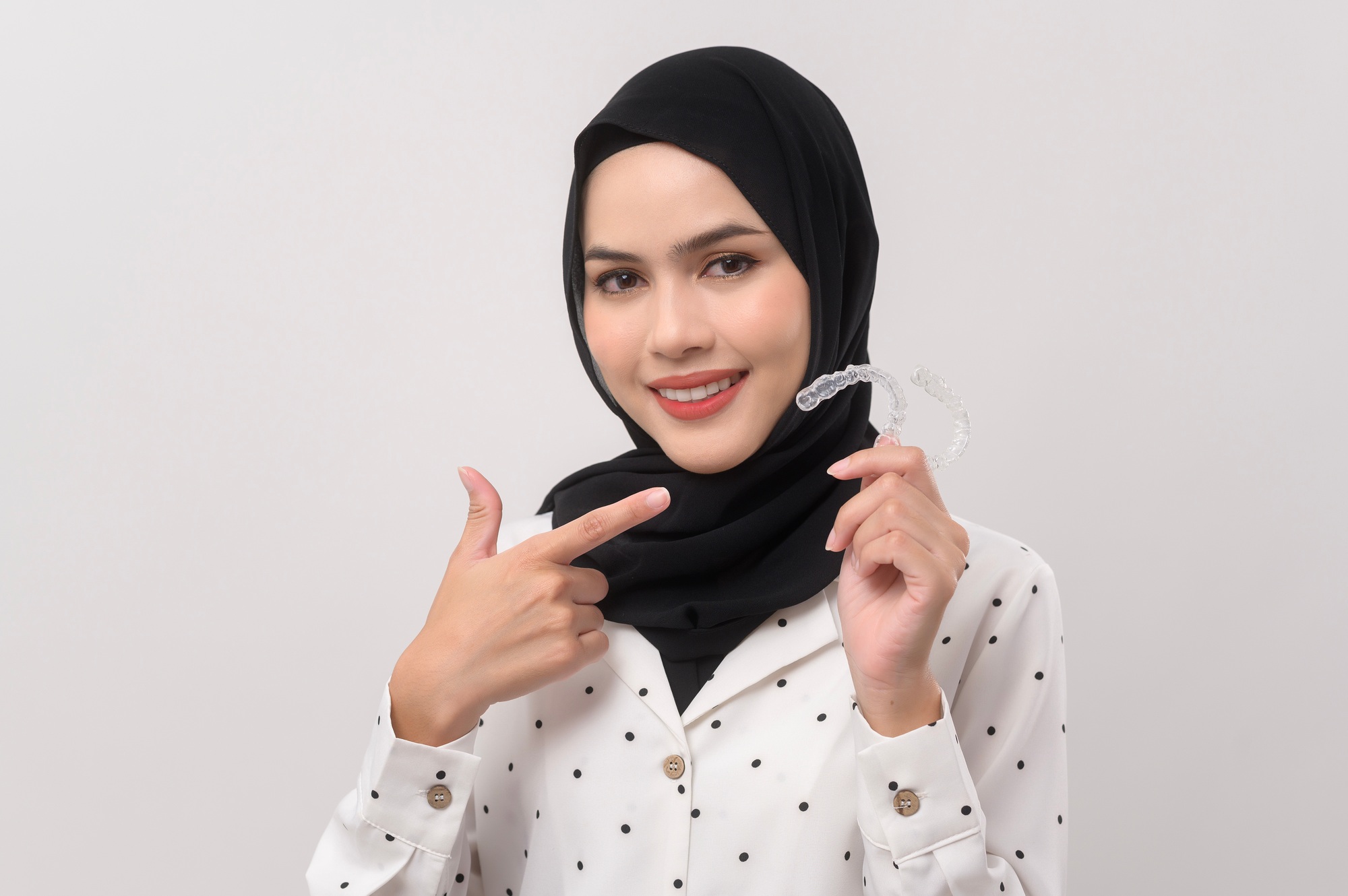
Aligners, such as Invisalign, offer a discreet and convenient alternative to traditional braces. These clear plastic trays are custom-made to fit over your teeth and gradually shift them into the desired position.
| Feature | Description |
|---|---|
| Material | Clear thermoplastic |
| Visibility | Virtually invisible |
| Comfort | Generally more comfortable than braces; may cause mild discomfort initially |
| Duration | Varies from 6 months to 2 years depending on the treatment plan |
Aligners can be removed for eating, brushing, and flossing, which adds to their convenience. They are ideal for adults and teens who want a more discreet option for orthodontic treatment. Many insurances, including UHC and others, often cover aligners similarly to braces, making them a feasible financial option (Invisalign).
In summary, both braces and aligners can effectively achieve your orthodontic goals, but your choice should depend on personal preferences, the specific dental issues being addressed, and lifestyle considerations. For further details on insurance coverage, refer to our sections on insurance coverage for braces and insurance coverage for aligners.
Choosing Based on Age
Selecting the right orthodontic treatment often depends on the age of the patient. Whether you are seeking treatment for your child or considering options for yourself as an adult, understanding the specific needs associated with different age groups is essential. This section covers orthodontic treatments available for children and adults, helping you make an informed decision.
Orthodontic Treatment for Children
For children aged 7–18, early orthodontic treatment is often recommended to address emerging dental issues. The American Association of Orthodontists suggests that children should have their first orthodontic evaluation by age seven. Early assessments can identify problems related to tooth alignment, jaw growth, and bite issues that can benefit from timely intervention.
Options:
- Braces: Traditional metal braces are highly effective and can address various alignment issues. They provide constant pressure to shift teeth over time.
- Invisalign: Clear aligners, like Invisalign, have gained popularity among both kids and teens. These aligners are designed for comfort and aesthetics, making them a preferred choice for many young patients. Invisalign aligners are faster and more comfortable than traditional braces, designed using 25 years of insights from 20 million smiles (Invisalign).
| Treatment Type | Age Group | Advantages |
|---|---|---|
| Braces | 7-18 years | Effective for correcting a wide range of alignment issues |
| Invisalign | 7-18 years | Comfortable, clear, and removable for eating and cleaning |
Orthodontic Treatment for Adults
Adults seeking orthodontic treatment face unique challenges, including professional and personal considerations. Orthodontic options for adults now include traditional braces and clear aligners, catering to aesthetic preferences and lifestyle needs.
Options:
- Braces: Metal or ceramic braces can still be effective for adult patients, offering long-lasting results. Ceramic braces are less noticeable than metal ones.
- Invisalign: This option is popular among adults due to its discreet design. Invisalign treatment is often covered just like traditional braces under many dental insurance plans. Checking specific coverage details for your plan is essential (Invisalign).
| Treatment Type | Age Group | Advantages |
|---|---|---|
| Braces | 25-55 years | Highly effective, suitable for complex cases |
| Invisalign | 25-55 years | Aesthetic, comfortable, and removable |
By considering the age of the patient, you can better evaluate the best orthodontic options available. Whether for children or adults, understanding the implications of each treatment type will aid you in your pursuit of achieving a beautiful smile. For additional guidance on navigating insurance plans for these treatments, explore options related to Invisalign that accepts Delta Dental insurance or insurance that covers Invisalign treatment.
Considering Lifestyle Factors
Impact of Lifestyle on Treatment Choice
When deciding between braces and clear aligners, it’s essential to consider how your lifestyle influences your treatment choice. Different factors can affect your comfort, compliance, and overall orthodontic experience.
Activity Level and Sports Participation
For active individuals, particularly children and teenagers involved in contact sports, braces may pose certain risks. Traditional braces can make it challenging to protect your teeth during physical activities. In contrast, clear aligners offer a removable option that can be taken out during practices or games, reducing the risk of injury.
Personal Hygiene and Care Routine
Maintaining oral hygiene is crucial for anyone undergoing orthodontic treatment. Braces require careful cleaning around brackets and wires, while aligners can be removed for brushing and flossing, making it easier to maintain dental hygiene. If you or your child prefers a simple cleaning routine, clear aligners may be the better choice.
| Factor | Braces | Aligners |
|---|---|---|
| Sports Participation | May require additional protection | Removable for games |
| Cleaning Routine | More complex | Easier, removable |
| Comfort | Can cause discomfort initially | Generally more comfortable |
Commuting and Work Environment
If you or your child has a busy schedule with frequent commuting or a work environment that may not be conducive to wearing braces, aligners can provide more flexibility. Aligners allow for quick removals and can fit into most lifestyles, whereas braces are a permanent fixture until treatment is complete.
Aesthetic Considerations
Aesthetics play a significant role in treatment choice, particularly for adults and teens who may be conscious of their appearance during treatment. Clear aligners are virtually invisible and can provide a more discreet orthodontic option. On the other hand, traditional braces are more visible but can be customized with colored bands and designs for a fun personality showcase.
Dietary Habits
Dietary habits can also influence your decision. Braces require avoiding certain foods that can damage wires and brackets, such as hard or sticky items. Clear aligners do not have these restrictions since they can be removed before meals, allowing for normal eating practices.
Considering these lifestyle factors will help you make an informed decision about your orthodontic treatment. If you are looking for an UHC approved orthodontist for Invisalign, be sure to weigh your options based on these personal aspects, ensuring you choose a solution that fits seamlessly into your life.
Insurance Coverage Breakdown
Navigating insurance coverage for orthodontic treatment is crucial when deciding between braces and aligners. Understanding how UHC (UnitedHealthcare) covers these options can help you make an informed choice.
UHC Dental Coverage for Braces
UHC Dental offers comprehensive coverage for braces, often covering up to an estimated 70% of the total cost. For those with specific PPO plans, there is a maximum coverage limit of $3,500 per person. This feature makes braces an affordable choice for many families. However, standard plans usually include a lower maximum benefit, around $2,500, and may impose a 12-month waiting period for benefits to take effect. The following table summarizes the coverage details:
| Coverage Type | Percentage Covered | Maximum Limit | Waiting Period |
|---|---|---|---|
| UHC PPO Plans (Braces) | Up to 70% | $3,500 per person | No waiting period |
| Standard Dental Plans (Braces) | Up to 70% | $2,500 | 12 months |
For further details on the specifics of your UHC plan, it is advisable to consult the provider directly or review your plan documentation.
UHC Dental Coverage for Aligners
Invisalign treatment typically enjoys coverage similar to traditional braces under many UHC plans. The coverage often provides substantial financial assistance, potentially covering up to $3,000 of orthodontic care costs (Invisalign). This makes aligners an appealing option for those seeking a discreet treatment alternative. However, the coverage specifics can vary by plan, emphasizing the need to verify the particulars of your insurance.
| Coverage Type | Percentage Covered | Maximum Limit |
|---|---|---|
| UHC PPO Plans (Aligners) | Similar to Braces | Up to $3,000 |
Consulting with your orthodontist to confirm whether they accept UHC insurance for aligners can streamline the process. You can also check out our articles about Invisalign treatment covered by Anthem Dental for comparable options.
Insurance Considerations for Treatment
When selecting orthodontic treatment, it’s crucial to consider various factors regarding your insurance coverage. Keep these considerations in mind:
- Plan Specifics: Review the exact details of your insurance plan to understand coverage limits, waiting periods, and any applicable deductibles.
- In-Network Providers: Verify that the orthodontist you choose accepts your insurance. Using in-network providers often reduces out-of-pocket expenses.
- Retainer Coverage: Some UHC plans include coverage for post-treatment retainers, which can be a critical factor in long-term oral health.
As you weigh your options, it’s wise to explore the potential for insurance to cover your orthodontic needs, whether you opt for braces or aligners. Preparing a list of questions for your insurance provider can help clarify any uncertainties, leading to informed decisions about the best orthodontic treatment for you and your family.
Aligners vs. Braces Cost Analysis
Affordability of Braces vs. Aligners
When comparing the costs of braces and aligners such as Invisalign, it’s essential to consider various factors, including insurance coverage and payment options. Understanding these costs can help you make informed decisions for yourself or your children.
Cost Breakdown
| Treatment Option | Average Cost Range | Insurance Coverage | Out-of-Pocket Cost |
|---|---|---|---|
| Traditional Braces | $3,000 – $7,000 | Often covered up to $1,500 by UHC source | Varies based on coverage |
| Invisalign Aligners | $3,000 – $8,000 | Up to $3,000 covered in certain plans source | Varies based on coverage |
Braces generally have a lower average cost range than clear aligners, but the final price can depend on several factors including treatment length, complexity, and location. Although braces tend to be less expensive upfront, aligners may offer a greater range of flexibility and comfort.
Payment Options
Both braces and aligners can often be financed through flexible spending accounts (FSA) or health savings accounts (HSA) to help manage costs. Additionally, many orthodontic providers offer financing plans that allow for easy monthly payments, making orthodontic treatment more accessible for families.
For those considering braces or aligners, insurance coverage is crucial. Plans like UnitedHealthCare may cover clear braces at 50%, giving significant financial assistance. Likewise, some plans may offer substantial coverage for Invisalign aligners—potentially affecting your out-of-pocket expenses significantly (source). You should always consult your insurance provider to clarify the specifics of your coverage.
To effectively compare your orthodontic treatment options, it is advisable to get estimates from multiple providers and review your insurance policies. This will help ensure that you select a provider that maximizes your benefits and offers you the best financial guidance. For further information on insurance coverage for orthodontic treatment, visit our pages on insurance that covers invisalign treatment and invisalign dentist covered by uhc.
Long-Term Maintenance Plan
Retainers After Treatment
After completing your orthodontic treatment, whether with braces or clear aligners like Invisalign, it’s crucial to maintain the position of your teeth with retainers. Retainers help prevent your teeth from shifting back to their original positions, ensuring you keep your beautiful new smile.
UnitedHealthcare Dental PPO plans typically cover one set of post-treatment retainers for orthodontic purposes over a lifetime. You should check the specifics of your plan to understand any limitations, waiting periods, or deductibles that may apply (Belmar Orthodontics).
Types of Retainers
There are several types of retainers available, and choosing the right one depends on your individual needs. Here are the main types you might consider:
| Retainer Type | Description | Pros | Cons |
|---|---|---|---|
| Fixed Retainers | Bonded to the back of your teeth for permanent retention | Low maintenance, invisible | Can collect bacteria |
| Removable Hawley | A plastic and wire retainer that can be taken out | Easy to clean, adjustable | May be visible |
| Clear Plastic | Clear retainers similar to Invisalign trays | Discreet, comfortable | Less durable over time |
Wearing Schedule
The recommended wear schedule for retainers typically includes wearing them full-time for a few months after active treatment, transitioning to part-time wear (usually nights) thereafter. You should closely follow your orthodontist’s recommendations regarding how long to wear your retainers each day.
Insurance Considerations
When considering retainers, it’s important to review your insurance coverage. Many insurance plans, including those that cover Invisalign or braces, may have provisions for retainers. Understanding your plan can help you budget for long-term maintenance. For example, some plans may cover significant portions of retainers, or you may need to pay out-of-pocket for replacements. It’s wise to check the details of your coverage.
Recommendations for Longevity
To prolong the life of your retainers, follow these general care guidelines:
- Clean retainers regularly with a toothbrush and mild soap.
- Avoid chewing gum or eating hard foods while wearing retainers.
- Store retainers in a case when not in use to prevent damage.
- If you lose or break your retainers, consult your orthodontist for replacements.
By maintaining a diligent retainer routine and understanding your insurance options, you can successfully keep your smile aligned for years to come. For more information about insurance coverage related to aligners, take a look at our articles on invisalign that accepts delta dental insurance and insurance that covers invisalign treatment.


