
Understanding Orthodontic Treatment Options
Importance of Orthodontic Treatment
Orthodontic treatment is crucial for addressing a variety of dental issues that can affect both children and adults. Braces can help to treat problems that weren’t addressed in youth, such as overbites, underbites, crooked teeth, and misaligned jaws. If left untreated, these issues can lead to severe complications such as tooth decay, headaches, earaches, chewing difficulties, and gum disease (Delta Dental). Ensuring proper alignment not only improves aesthetics but also enhances oral health and overall quality of life.
Benefits of Braces and Aligners
Braces and clear aligners each offer distinct advantages depending on the individual’s needs.
| Treatment Type | Benefits |
|---|---|
| Braces | – Effective for severe orthodontic issues – Fixed in place for constant corrective force – Can treat complex jaw and alignment issues |
| Clear Aligners | – Discreet option; less visible than traditional braces – Removable for easy cleaning and meal enjoyment – Customizable and often more comfortable |
Clear braces can correct a wide range of orthodontic issues in adults and teens, including crooked, crowded, gapped, and overlapped teeth. They offer a less noticeable alternative to traditional metal braces, making them a preferred option among adults seeking orthodontic treatment.
Invisalign braces, a popular type of clear aligner, are made from a blend of plastics that apply gentle pressure to move teeth into an ideal position. They typically cost between $3,000 to $7,000, which is slightly higher than traditional braces. For more significant orthodontic needs, lingual braces can be utilized; these are placed on the backside of the teeth, providing an almost invisible solution, but they are more costly, ranging from $5,000 to $13,000 (Healthline).
Standard metal braces are generally the most affordable option, costing about $3,000 to $7,500, but they are the most noticeable type of braces (Healthline). For individuals researching the best options for their orthodontic needs, understanding these distinctions is vital to making an informed decision.
Braces vs. Clear Aligners
When considering orthodontic treatment, individuals often weigh the benefits and drawbacks of braces against those of clear aligners. Both options can effectively straighten teeth and improve oral health but vary in their approach and lifestyle impact.
Braces for Orthodontic Correction
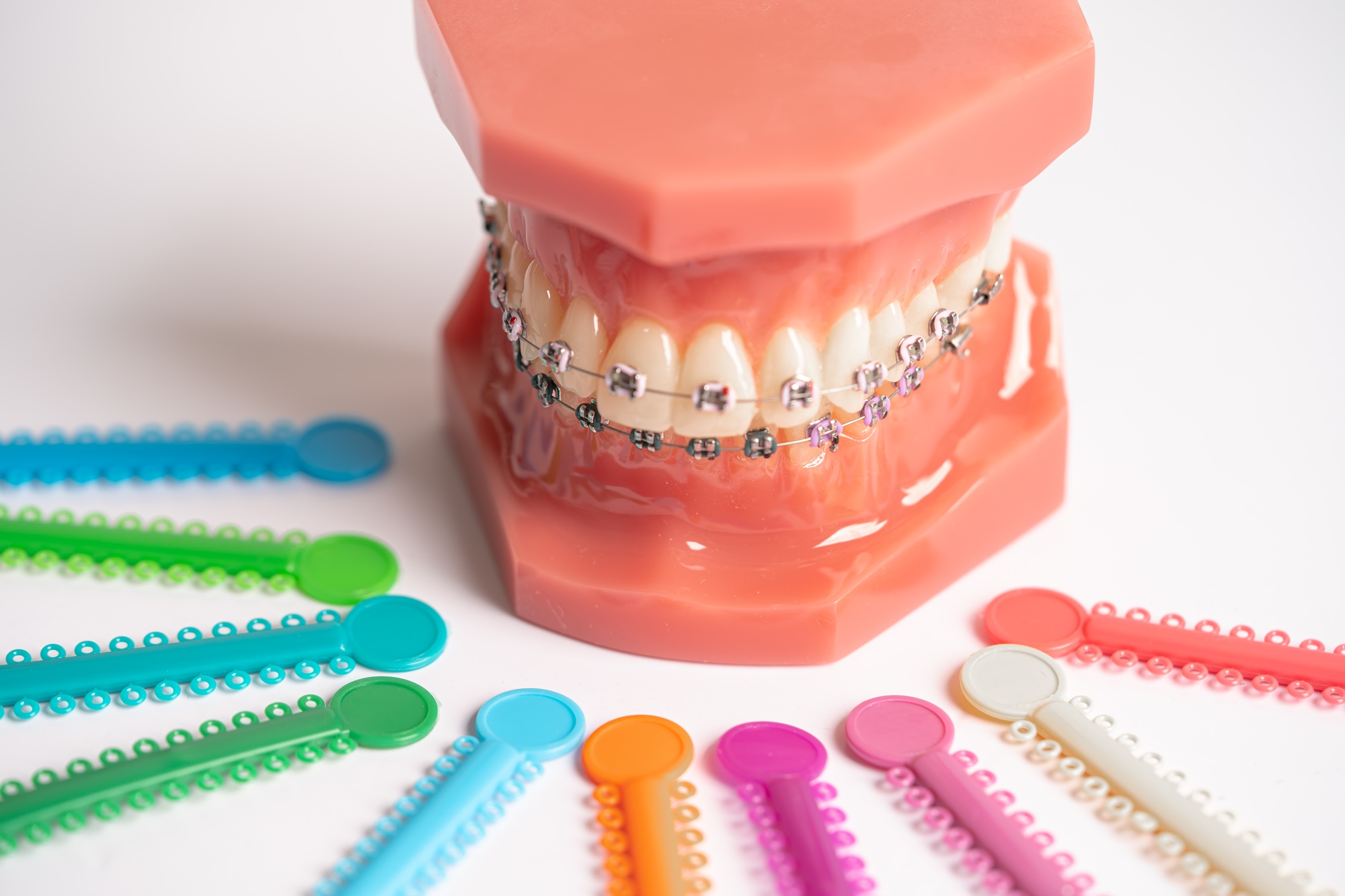
Braces are a traditional method of correcting dental misalignments. They consist of brackets, wires, and bands that work together to apply continuous pressure on the teeth, slowly moving them into the desired position. Braces are particularly effective for treating complex orthodontic issues such as overbites, underbites, and severe misalignments.
Braces can help to treat problems that weren’t addressed in younger patients, potentially avoiding serious conditions such as tooth decay, headaches, earaches, and gum disease if left untreated (Delta Dental).
Here’s a breakdown of the different types of braces available:
| Type of Braces | Average Cost | Visibility | Key Advantages |
|---|---|---|---|
| Metal Braces | $3,000 – $7,500 | Highly visible | Most cost-effective, durable |
| Tooth-Colored Braces | $4,000 – $8,000 | Less visible | Aesthetic appeal |
| Lingual Braces | $8,000 – $10,000 | Hidden | Discreet, placed on the back of teeth |
Clear Aligners for Discreet Treatment
Clear aligners, like Invisalign, offer a more discreet option for orthodontic treatment. Made from a blend of plastics, these aligners apply pressure to gradually shift teeth into their ideal position. Clear aligners are removable, allowing for easier cleaning and more flexibility when it comes to eating and maintaining oral hygiene.
Clear braces are as effective as traditional metal braces but may take slightly longer to produce results. They are effective in correcting misalignment issues, enhancing oral health, and decreasing the risk of cavities and gum disease (Cleveland Clinic).
The following table outlines key features of clear aligners:
| Feature | Average Cost | Treatment Duration | Visibility |
|---|---|---|---|
| Clear Aligners (Invisalign) | $3,000 – $7,000 | Approx. 12-18 months | Nearly invisible |
| Treatment Monitoring | Regular check-ins | Adapted to progress | Very discreet |
Ultimately, the choice between braces and clear aligners depends on personal preferences and orthodontic needs. Individuals seeking clear braces options for adults with insurance will find that many providers accept various plans, including adult orthodontics with Delta Dental coverage and Cigna. Evaluating the pros and cons of each treatment can aid in making an informed decision tailored to individual lifestyles.
Factors to Consider by Age
When considering orthodontic treatments, age plays a significant role in choosing the right option for both children and adults. Each group has unique needs and considerations that can impact treatment duration, cost, and insurance coverage.
Choosing Braces for Children
Most dental insurance plans offer robust coverage for braces for children and teens under the age of 18. Typically, these plans include a lifetime orthodontic maximum ranging from $1,000 to $3,000, which applies towards the overall cost of treatment (Green Line Dental Care). Children benefit from early intervention, as starting treatment at a young age can lead to better outcomes.
Parents should consider the following factors when choosing braces for their children:
| Factor | Description |
|---|---|
| Age | Starting treatment between 7-14 years can help correct alignment issues early. |
| Type of Braces | Options include traditional metal braces, ceramic braces, and clear aligners. |
| Insurance Coverage | Review dental insurance plans for coverage limits and benefits (Diamond Braces). |
| Compliance | Consider the child’s ability to comply with treatment protocols, especially for removable aligners. |
Orthodontic Options for Adults
Adults seeking orthodontic treatment often face different considerations than children. While many dental insurance plans cover braces for children, coverage for adults can be limited and may require specific orthodontic riders to help offset costs (Healthline). Treatment options for adults typically include:
| Orthodontic Treatment | Description |
|---|---|
| Traditional Metal Braces | Usually the most economical option but visible. Coverage may vary (metal braces for adults that accept humana). |
| Clear Aligners | A popular discreet option, but not always covered. These may be a significant out-of-pocket expense (clear braces options for adults with insurance). |
| Ceramic Braces | Less visible than metal braces but can be pricier and not always covered by insurance. |
| Self-Ligating Braces | These can reduce treatment time but may require additional insurance verification (self-ligating braces for adults with anthem). |
When exploring options, adults should also consider:
- Insurance Limitations: Understanding how adult orthodontic treatment is covered, particularly with plans such as Aetna, Cigna, or UnitedHealthcare.
- Treatment Duration: Adults often prefer efficient treatments, so understanding average durations helps in planning around personal and professional schedules.
- Lifestyle Compatibility: Options that fit personal lifestyles, work environments, and social situations are vital for adult orthodontic choices.
By weighing these factors, both parents and adults can make informed decisions about their orthodontic treatments to ensure they receive the best possible care and outcomes.
Clear Braces: A Closer Look
When exploring orthodontic options, clear braces present a unique combination of effectiveness and convenience for adult patients. Understanding their efficacy and associated costs, particularly in relation to insurance coverage, is essential for making informed decisions.
Effectiveness and Treatment Duration
Clear braces function similarly to traditional metal braces, effectively correcting misalignment issues. They are just as effective but may take longer to straighten teeth due to the nature of the materials used, which are generally less robust than metal alternatives.
| Type of Braces | Effectiveness | Average Treatment Duration |
|---|---|---|
| Clear Braces | Comparable to metal braces | 12-24 months (varies) |
| Metal Braces | Highest strength | 6-18 months (varies) |
Clear braces improve oral health, increase confidence, and help reduce potential issues like cavities and gum disease. Advances in orthodontic care allow for more predictable results through techniques such as digital scans and 3D modeling, leading to potentially shorter treatment times and fewer office visits.
Cost and Insurance Coverage
Costs associated with clear braces can vary widely based on several factors, including geographic location, the complexity of the treatment, and the specific orthodontic provider chosen. Typical costs for clear braces range from $3,000 to $8,000, which can be a significant investment for many adults.
Insurance coverage is an important factor. Many insurance plans include benefits for adult orthodontics, but specific coverage can differ. For instance, plans like Delta Dental typically cover some costs related to orthodontic treatments, including clear aligners. Other options, such as Cigna and Anthem, also provide coverage possibilities for clear braces.
| Insurance Provider | Possible Coverage |
|---|---|
| Delta Dental | Partial coverage for orthodontics |
| Cigna | Adult orthodontic coverage available |
| Anthem | Offers clear braces coverage options |
Patients should consult their insurance provider and orthodontist for specific details regarding coverage limits and out-of-pocket costs. Understanding available plans can significantly reduce the financial burden associated with clear braces. For further information on providers that accept various insurance plans, explore resources like adult orthodontics with Delta Dental or clear braces for adults with Cigna dental.
Lifestyle Considerations
Impact on Daily Life
Choosing the right orthodontic treatment, particularly for adults, can significantly affect daily life. Clear braces offer numerous benefits that align with an adult’s busy lifestyle. They provide a discreet appearance, making them ideal for professional and social situations.
Additionally, clear braces do not generally require drastic dietary changes, allowing individuals to continue enjoying their favorite foods without concern. As they can often be removed for eating, the maintenance of oral hygiene becomes simpler in comparison to traditional braces, which remain fixed during treatment (Green Line Dental Care).
The ease of care and reduced number of office visits, due to advancements like digital scans and 3D modeling, contributes to a more manageable treatment experience and a higher likelihood of compliance among patients.
Maintenance and Care Tips
Proper maintenance and care are essential to ensure the longevity and effectiveness of clear braces. Here are some key tips to maintain clear braces:
| Tip | Recommendation |
|---|---|
| Oral Hygiene | Brush teeth at least twice a day and floss regularly to prevent plaque buildup. Consider using a soft-bristle toothbrush. |
| Cleaning | Clean the aligners with a mild toothbrush and water, avoiding abrasive cleaners that could scratch the surface. |
| Food Choices | Although clear braces are less restrictive, try to avoid sticky or hard foods that can damage the brackets or wires. |
| Regular Check-Ups | Keep up with scheduled appointments to ensure the treatment is progressing as planned and to make necessary adjustments. |
For patients considering clear braces, it’s also vital to be aware that they can be more expensive than traditional options. Flexible financing plans can alleviate some of those financial concerns, making the transition smoother. If you are exploring orthodontic treatments that are covered by insurance, such as clear braces options for adults with insurance, checking the specific benefits and providers available in your area can provide added reassurance when making a decision.
Overall, clear braces not only cater to aesthetic preferences but also to the practicalities of adult life, making them a popular choice for those in the workforce or those with active social lives.
Finding the Right Provider
Selecting the appropriate orthodontic provider is essential for adults considering braces or clear aligners. With various options available, parents and individuals can ensure they receive quality care while utilizing their insurance coverage effectively.
Evaluating Orthodontic Providers
When evaluating potential orthodontic providers, consider the following factors:
- Experience and Qualifications: Look for orthodontists who have extensive experience and relevant qualifications in treating adults.
- Types of Treatment Offered: Ensure the provider offers a variety of options, including clear braces, traditional braces, and aligners. This allows for flexibility based on individual needs and preferences.
- Patient Reviews and Testimonials: Research patient feedback to gauge satisfaction levels and treatment outcomes.
- Initial Consultation: Many providers offer free consultations to discuss options and assess treatment needs. This is a great opportunity to ask questions and understand the treatment process.
Providers should also communicate clearly about the involved costs, timeframes, and what to expect during treatment. For more details on finding an orthodontist that meets specific insurance criteria, consult our section on adult orthodontics with delta dental coverage.
Insurance Coverage and Financing Options
Understanding insurance coverage is crucial when seeking clear braces options for adults with insurance. Most dental insurance plans that cover adult braces may come with limitations, such as:
- Lifetime Maximums: Coverage might include a lifetime maximum benefit for braces, typically ranging from $1,000 to $3,000. This mean it caps the total amount the insurance will pay for orthodontic treatment (Guardian Life).
- Specific Orthodontic Riders: Adults may require additional orthodontic riders on their insurance plans to utilize benefits for braces or aligners.
- Payment Plans and Financing: Many orthodontists offer flexible payment plans to help manage costs. Explore options for financing through the orthodontic office, which may include low-interest plans to help spread out payments over the course of treatment.
Here’s a table summarizing typical coverage options compared to costs for different insurance plans:
| Insurance Provider | Cost Range for Adult Braces | Coverage Type |
|---|---|---|
| Aetna | $2,000 – $4,000 | May require an orthodontic rider |
| Delta Dental | $1,000 – $3,000 | Depend on specific plan details |
| UnitedHealthcare (UHC) | $2,500 – $3,000 | Accepts many orthodontists |
| Anthem BCBS | $1,500 – $2,500 | Verifies coverage in advance |
Always confirm coverage details directly with your insurance provider and orthodontist to ensure the best outcome. If looking for specific providers that accept your insurance plan, review our links to find Cigna in-network orthodontist for adults and other relevant resources.


