
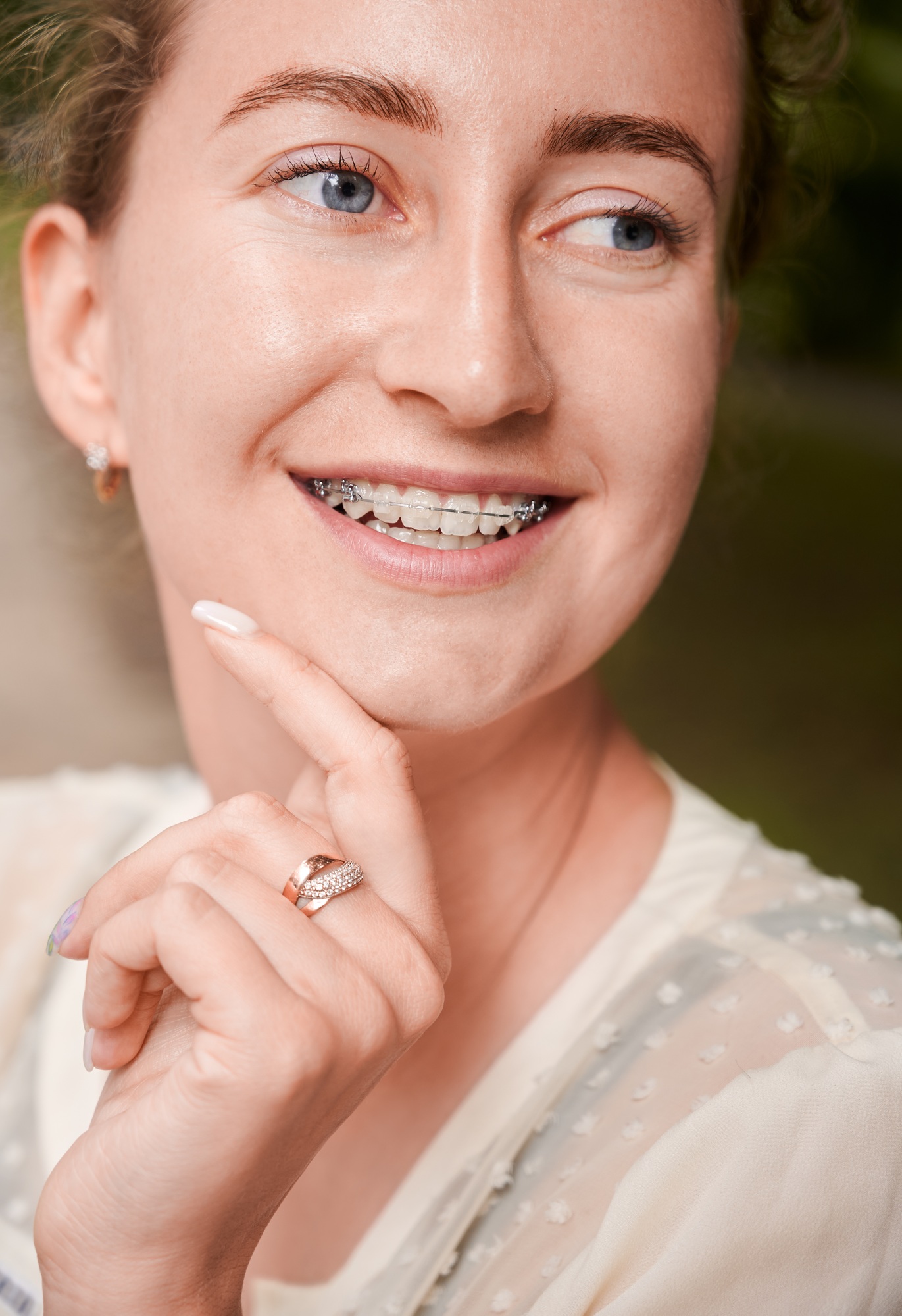
Braces vs. Aligners: Overview
As adults and parents of children contemplate orthodontic treatment, they will encounter two primary options: braces and clear aligners. This section provides an overview of these orthodontic treatments to help in understanding the differences and considerations.
Orthodontic Treatment Options
The main options available for orthodontic treatment include:
-
Metal Braces: Metal braces are the traditional choice, consisting of metal brackets and wires that are attached to the teeth. They provide significant improvements in smile alignment and are particularly effective for complex dental issues, making them a reliable option (Tolleson Orthodontics).
-
Clear Aligners: Clear aligners, such as Invisalign, offer a more discreet way to straighten teeth without the use of metal materials. These aligners are removable and typically made from a blend of plastics, providing convenience and flexibility to users (Healthline).
-
Lingual Braces: Concealed behind the teeth, lingual braces are an invisible alternative to traditional braces, suitable for adults who want to maintain their aesthetic appearance during treatment (Columbus Orthodontic Center).
To simplify a comparison between treatment options, refer to the table below:
| Treatment Type | Visibility | Removability | Effectiveness | Treatment Duration |
|---|---|---|---|---|
| Metal Braces | Visible | No | High | 18-36 months* |
| Clear Aligners | Discreet | Yes | Moderate to High | 12-18 months* |
| Lingual Braces | Invisible | No | High | 18-36 months* |
*Duration varies based on individual needs and treatment complexity.
Factors to Consider
When deciding between braces and aligners, several factors come into play:
-
Aesthetic Preferences: Adults and older teens may prefer clear aligners for the less noticeable treatment option, while parents of younger children may choose metal braces for their efficacy regardless of appearance.
-
Treatment Complexity: For complex orthodontic issues, traditional metal braces may provide better results, as they maintain constant pressure on teeth to facilitate movement.
-
Lifestyle Needs: Aligners offer the flexibility of removal, which can be effective for those concerned with maintaining oral hygiene or who are involved in sports.
-
Insurance Coverage: Families and adults must ensure that the orthodontic provider they choose accepts their insurance plan, such as Humana for metal braces for adults or other major insurance providers.
Choosing the right orthodontic treatment involves considering individual lifestyle, dental needs, and financial realities, guiding adults and parents toward the option that best suits them and their children.
Considerations for Adults
Orthodontic treatment for adults has gained popularity over the years. Individuals seeking to improve their dental alignment often have specific factors to consider before deciding on braces.
Orthodontic Treatment as an Adult
Many adults opt for orthodontic treatments to address issues like crooked, crowded, or gapped teeth. Traditionally seen as a treatment primarily for children, braces are now commonly used by adults, who make up 20 to 25 percent of all orthodontic patients (Healthline). This growing trend reflects a shift in perceptions about dental aesthetics and oral health.
Adult orthodontics often requires different considerations compared to children. Adults may have complex orthodontic needs due to changes in dental structure over time. Moreover, conditions treated with braces are often more severe in adults, ranging from significant crowding to more complex bite issues.
Adult Bone Density and Treatment Duration
Adult patients tend to have denser bone tissue compared to children, which can result in a longer treatment duration. Treatment timelines can vary significantly based on an individual’s specific dental needs, but adults should be prepared for a potentially extended period of wear with braces. Orthodontic treatment for adults may take a little longer due to this increased bone density (Humana). Treatment may range from 18 months to 3 years, depending on the complexity and extent of the alignment required.
| Treatment Type | Average Duration |
|---|---|
| Traditional Metal Braces | 18 – 24 months |
| Advanced Metal Braces | 12 – 18 months |
| Clear Aligners | 12 – 24 months |
Financial Considerations for Adult Braces
The financial aspect of orthodontic treatment is another critical factor for adults. Many adults seek insurance plans that cover orthodontic care, aiming to find providers that accept their insurance. Options such as metal braces for adults that accept Humana are available, often with varying coverage levels depending on the plan.
It’s important for adults to understand their insurance coverage specifics, especially regarding which providers accept their insurance and what costs they might incur out of pocket for treatments. Some braces may be categorized as medically necessary if they address severe dental issues, which could influence insurance coverage. Exploring options such as affordable adult braces with Delta Dental or in-network providers can help minimize costs.
Ultimately, adults seeking braces should be well-informed about their treatment options, conditions, and potential financial commitments to ensure the best orthodontic experience.
Choosing Braces for Children
Selecting the right orthodontic treatment for children is critical to ensure optimal outcomes for their dental health. This section details the ideal age for braces, the benefits of early treatment, and the importance of maintaining oral hygiene with braces.
Ideal Age for Braces
The most suitable age for children to start orthodontic treatment is generally between 9 and 14 years old. During this developmental stage, their jaws and facial bones are more malleable, making it easier to correct alignment issues (Cleveland Clinic). Early intervention can sometimes prevent more complex dental problems later in life.
| Age Range | Recommendation |
|---|---|
| 7–8 years | Initial evaluation by an orthodontist |
| 9–14 years | Ideal age for starting braces |
| 15+ years | Braces and treatments are still effective, but may take longer |
Benefits of Early Treatment
Early treatment can lay the foundation for a healthier smile. It can help guide jaw development and create space for incoming permanent teeth. Some major advantages include:
- Improved Bite Alignment: Treatment can prevent or correct issues such as overbite, underbite, and crowding.
- Enhanced Aesthetic Appearance: Addressing alignment issues early can improve a child’s confidence and self-esteem.
- Reduction in Future Dental Issues: Early intervention can minimize the risk of more serious dental problems later on.
Parents are encouraged to consult with a qualified orthodontist for an initial assessment to determine if their child may benefit from early treatment.
Oral Hygiene with Braces
Proper oral hygiene is crucial while wearing braces, as it helps to prevent complications like cavities and gingivitis. The presence of brackets and wires can make it easier for plaque and tartar to accumulate. Here are some key practices for maintaining oral hygiene:
- Brushing: Children should be instructed to brush after each meal using a soft-bristled toothbrush and fluoride toothpaste.
- Flossing: Daily flossing is essential to remove plaque buildup around brackets and wires. Floss threaders or orthodontic floss may be helpful.
- Regular Dental Visits: Maintaining regular check-ups with a dentist will keep the teeth and gums healthy and allow for timely adjustments to the braces.
When combined with proper care, orthodontic treatment can lead to lasting results. Individuals who wear braces will need to use a retainer post-treatment to ensure that teeth do not shift back into their previous positions (Cleveland Clinic).
By understanding the appropriate age for braces, the advantages of early treatment, and the necessity of good oral hygiene, parents can make informed decisions about their child’s orthodontic journey.
Insurance and Coverage
Navigating insurance and coverage for metal braces can be challenging for adults. Understanding the options available can help individuals make informed decisions when pursuing orthodontic treatment.
Finding Insurance for Adult Braces
Many dental insurance plans provide some level of orthodontic coverage, but it varies depending on the provider and type of plan (Humana). While plans typically offer partial coverage for braces, they may provide greater benefits for dependents under 18 years of age. Adult orthodontic coverage may exist, but it tends to be more limited compared to that for children.
It’s essential for adults seeking braces to check which insurance providers accept their plan. Some options to consider include:
- Adult orthodontist covered by Humana
- Affordable adult braces with Delta Dental
- Contacting an in-network Aetna orthodontist for adult braces
Understanding Orthodontic Insurance
Typically, insurance providers are more likely to cover the cost of braces for children under 18 if deemed medically necessary. Most dental insurance plans do not extend the same coverage for adults, and if they do, it might come with limitations (Healthline). For adults, reviewing the specifics of their dental insurance plan is crucial to determining if and how much coverage exists.
A common aspect of various insurance plans is the dental waiting period, which is the time members must be enrolled before they can access certain benefits. Waiting periods can range from several months to over a year, so it is essential to know how this may impact the timing of treatment (Humana).
Limitations and Restrictions
When considering the best straightening options, including metal braces for adults that accept Humana, it is important to be aware of potential limitations and restrictions surrounding coverage. Some common factors include:
| Limitation/Restriction | Description |
|---|---|
| Age Restrictions | Greater coverage for dependents under 18; limited or no coverage for adults |
| Medical Necessity | Coverage typically requires braces to be deemed medically necessary |
| Coverage Caps | Insurance may have a maximum limit on the amount they will cover for orthodontic treatment |
| Exclusions | Certain plans may exclude specific types of braces or orthodontic work |
Understanding these limitations can help adults make informed choices about their orthodontic options. For those considering the financial aspects, exploring various orthodontic treatment covered by Cigna for adults or opting for Invisalign alternatives for adults with insurance can also be worthwhile.
Types of Braces
Selecting the right type of braces is essential for effective orthodontic treatment, especially for adults. This section explores various options including metal braces, clear aligners, and specialized braces.
Metal Braces for Adults
Metal braces are a popular option for adults seeking orthodontic treatment. Known for their relative permanence, they provide significant improvements in smile alignment over time. These braces are less intrusive compared to other orthodontic treatments, which helps minimize discomfort.
Metal braces are effective in correcting teeth alignment, addressing jaw issues such as overbites and underbites, and even enhancing speech. By restoring tooth positions that affect pronunciation, they can lead to improved articulation and communication skills. Children and adults can greatly benefit from this enhanced functionality.
| Feature | Description |
|---|---|
| Durability | Long-lasting results |
| Effectiveness | Corrects alignment and jaw problems |
| Discomfort Level | Generally minimal compared to other options |
| Maintenance | Requires regular adjustments and monitoring |
Clear Aligners for Convenience
Clear aligners, such as Invisalign, offer a more discreet orthodontic treatment solution. Many adults opt for this method as it allows for increased flexibility and convenience. Aligners are removable, making it easier to maintain oral hygiene and enjoy a variety of foods without restrictions.
One key advantage of clear aligners is their aesthetic appeal, which attracts adults who may feel self-conscious about wearing traditional braces. They provide a comfortable fit as they are custom-made to suit individual needs.
| Feature | Description |
|---|---|
| Aesthetic Appeal | Nearly invisible during wear |
| Removability | Easy to take out for eating and cleaning |
| Comfort | Often less irritation compared to braces |
| Treatment Duration | Varies based on individual needs, usually shorter than metal braces |
Specialized Braces Options
In addition to standard metal braces, there are specialized options available for adults. Lingual braces, such as the Incognito and Harmony systems, are placed on the back of the teeth, making them invisible to others. This is an ideal solution for individuals who want to straighten their teeth without causing disruption to their daily appearance.
Other specialized braces may include self-ligating braces that reduce friction, potentially leading to shorter treatment times. These options cater to different preferences and lifestyle needs, ensuring that individuals can find a suitable orthodontic solution.
| Feature | Description |
|---|---|
| Discreet Appearance | Lingual braces are hidden behind the teeth |
| Reduced Treatment Times | Options like self-ligating braces may speed up orthodontic procedures |
Choosing the appropriate type of braces depends on various factors, including personal preferences, treatment goals, and lifestyle. For more information on available insurance options, visit our guides on adult braces covered by anthem bcbs or orthodontic insurance coverage for adults with bcbs.
Long-Term Benefits
Understanding the long-term benefits of braces is essential for individuals considering orthodontic treatment. This section will cover the effectiveness and duration of treatment, maintenance after braces, and the longevity of results for metal braces.
Effectiveness and Duration of Treatment
Metal braces are highly effective in correcting various dental misalignments. On average, braces treatment takes about two years to complete, although some individuals may finish in under 12 months, while others may require as long as three years depending on the severity of misalignment Cleveland Clinic.
Braces continuously exert gentle pressure on teeth, resulting in gradual movement into proper alignment 24/7. This consistency eliminates the concerns associated with wear-time limitations that may be present with aligners like Invisalign.
| Treatment Type | Average Duration | Continuous Wear |
|---|---|---|
| Metal Braces | 1-3 years | Yes |
| Aligners (Invisalign) | 6-18 months | No |
Maintenance After Braces
Proper maintenance is crucial after braces removal to ensure that the teeth remain in their new positions. Individuals will typically need to wear retainers to prevent teeth from shifting back. Different types of retainers are available, and a dentist or orthodontist can help in choosing the one that best suits the individual’s needs Cleveland Clinic.
Regular dental check-ups post-treatment are recommended to monitor teeth alignment and maintain overall oral health. Proper oral hygiene during and after wearing braces is essential to prevent issues such as cavities and gingivitis, especially as plaque and tartar can accumulate around brackets and wires Cleveland Clinic.
Longevity of Results
Metal braces are known for their durability and long-lasting results. When followed by appropriate retainer use, they help maintain teeth in their corrected positions even after treatment ends. Many patients with metal braces enjoy stable results long after the completion of their orthodontic treatment Parrish Orthodontics.
In contrast to aligners, which require strict compliance for optimal effectiveness, metal braces operate continuously, addressing alignment concerns consistently throughout the treatment period Parrish Orthodontics.
Choosing metal braces as an orthodontic option provides enduring benefits not only for aesthetic appeal, but also for maintaining dental health and function in the long run. For more information on finding affordable options, see our article on adult braces covered by anthem bcbs and other insurance coverage details.
Dental Health Pre-Requisites
Before embarking on orthodontic treatment, there are several dental health prerequisites that individuals must meet. Understanding these requirements is crucial for ensuring effective and safe treatment with braces or aligners.
Requirements Before Getting Braces
Healthy teeth and gums are fundamental before anyone can receive braces. Factors that may disqualify individuals from getting braces include:
- Untreated periodontal disease
- Inadequate bone density
- Presence of crowns or bridges that may affect brace options
- Poor dental habits that compromise oral care
- Untreated TMJ issues
It is vital for individuals to address any dental problems before proceeding with braces to ensure successful treatment (SAP Orthodontics).
Dental Health for Orthodontic Treatment
Maintaining good oral health is essential for effective orthodontic treatment. Regular dental check-ups, professional cleanings, and adherence to oral hygiene practices are necessary to eliminate plaque and bacteria buildup. Patients should:
- Brush teeth at least twice a day and floss daily
- Use an antibacterial mouthwash to help with gum health
- Schedule any necessary dental work prior to starting orthodontic treatment
A healthy dental foundation can lead to better results and a more comfortable experience during the orthodontic process. For more information on finding orthodontic providers that accept insurance, consider exploring options like adult orthodontists covered by Humana.
Considerations for Pregnant Women
Pregnant women face unique challenges when considering braces. Hormonal changes during pregnancy can lead to increased gum sensitivity and a higher risk of cavities. Therefore, it is recommended for pregnant individuals to consult their dentist before getting braces. This will ensure that they receive the safest and most effective treatment tailored to their changing dental health needs (SAP Orthodontics).
In instances where orthodontic treatment is necessary during pregnancy, an orthodontist and dentist will work together to create a plan that mitigates any risks associated with oral health changes.


