
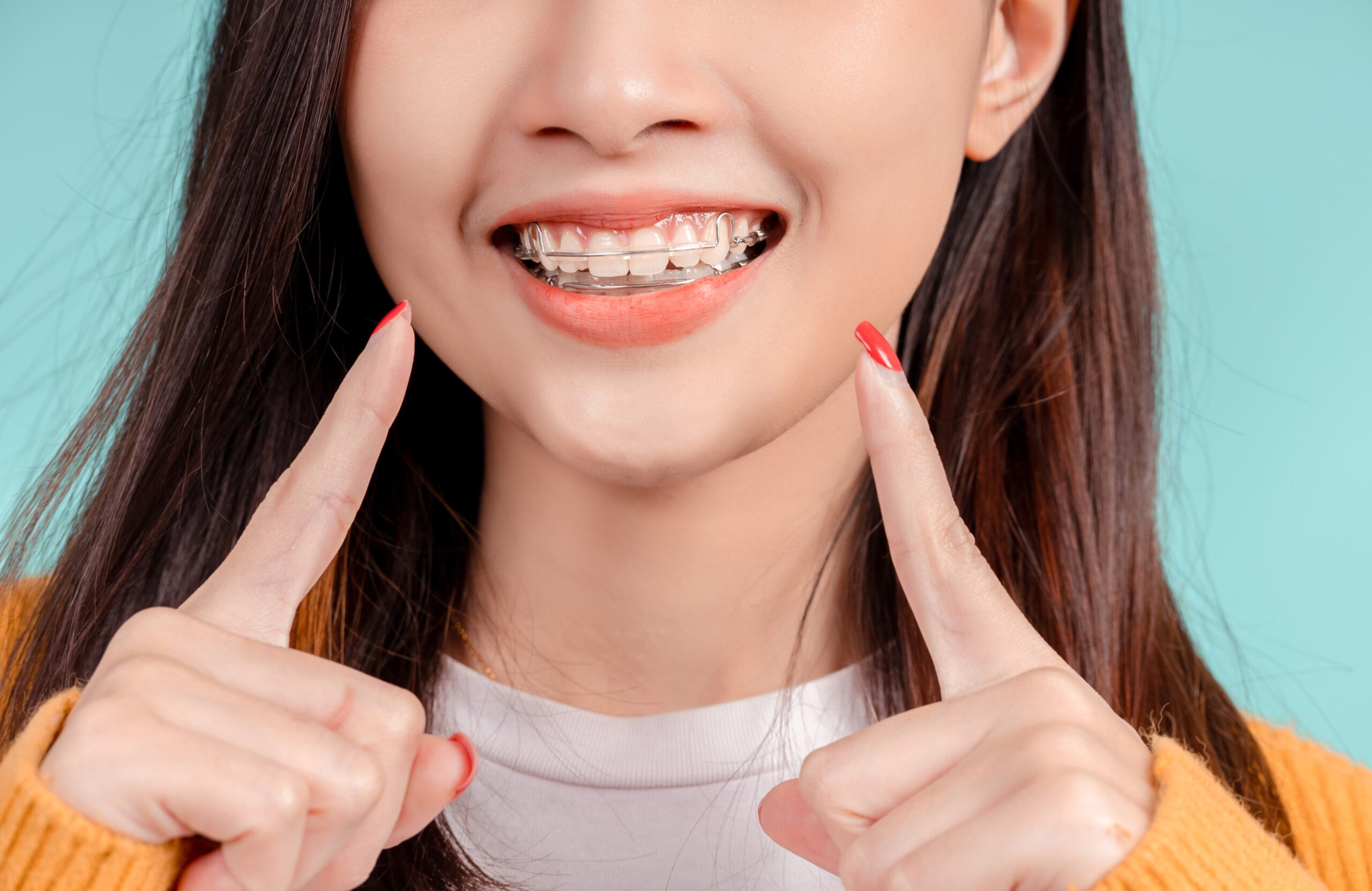
Many people experience dental crowding at some point in their lives, whether mild or severe. If you are looking into orthodontic treatment for crowding, you might already realize how misaligned teeth can affect oral health, daily comfort, and overall confidence. Crowded teeth can be challenging to clean, increasing the risk of issues like tooth decay and gum disease. More than that, they can also trigger jaw discomfort, headaches, and self-consciousness. Fortunately, with appropriate care, you have a clear path toward healthy alignment and an attractive smile.
In this guide, you will find practical insights into why timely treatment matters, how to identify crowding in yourself or a loved one, and which orthodontic solutions can bring you closer to the best possible outcomes. You will also discover tips for maintaining long-term results, along with reasons to consider Wright Orthodontics if you want a warm and professional environment. This thorough overview is designed to empower you with the knowledge and reassurance you need. A supportive, personalized approach can help you or a family member overcome the difficulties associated with crowding and set the stage for lifelong oral health.
Understand crowded teeth
Crowded teeth refer to a lack of sufficient space in the dental arch, causing teeth to overlap, twist, or become misaligned. According to a study published on PubMed Central, crowding is one of the most frequent forms of malocclusion, affecting a significant percentage of children and adults. Despite its prevalence, many people underestimate how much crowding can complicate oral hygiene and quality of life.
Crowding often develops gradually as baby teeth fall out and permanent teeth grow in. In other instances, the problem can appear or worsen in adulthood due to shifts in tooth position over time, sometimes accelerated by missing teeth or lifestyle habits such as teeth grinding. Whatever the cause, recognizing early signs of crowding and seeking professional evaluation are key steps on the path to a healthier smile.
How crowding affects your oral health
When teeth are crowded, brushing and flossing can become difficult because bristles and floss have trouble reaching tight or twisted spaces. This can foster bacterial growth, resulting in increased rates of gum disease and tooth decay (Gardens Dental Care). Additionally, misaligned bites can cause uneven tooth wear, jaw pain, or tension headaches, affecting your everyday comfort. Crowded lower front teeth, for instance, might lead to persistent irritation of the gum tissue around them.
Addressing crowding in a timely manner helps you prevent these scenarios from escalating. Early detection and intervention can simplify the required orthodontic measures by taking advantage of growth patterns and ensuring stable, decades-long improvements in alignment.
Recognize causes and complications
The causes of dental crowding vary widely from genetics to childhood habits. Regardless of the source, being aware of common contributors can guide you in deciding how best to approach treatment for yourself or a loved one.
Common causes of crowding
- Genetic predisposition: Some individuals inherit tooth and jaw proportions that predispose them to limited arch space and overlapping teeth (Orthodontic Precision).
- Early or late loss of baby teeth: The timing of primary tooth loss affects how new permanent teeth erupt and fit together.
- Habits like thumb sucking or prolonged pacifier use: These habits can alter jaw growth or tooth orientation, often contributing to crowding.
- Injuries or trauma: A blow to the mouth can shift teeth or damage bone structure, leading to spacing or crowding issues.
- Jaw growth patterns: The lower jaw is more compact and difficult to expand, often resulting in stable, significant crowding if left untreated (NCBI).
Potential complications if untreated
- Gum disease: Crowded teeth can accumulate plaque and bacteria, raising the risk of gingivitis and periodontitis.
- Increased tooth decay: Misaligned teeth create nooks that are harder to clean, allowing decay-causing bacteria to thrive.
- Persistent headaches: Ongoing strain from a misaligned bite can trigger tension headaches and even migraines (Gardens Dental Care).
- Jaw pain: Bite imbalances can cause discomfort in the temporomandibular joint (TMJ), potentially limiting chewing efficiency.
- Progressive crowding: Teeth often continue to shift over time, making future orthodontic solutions more complex and costly.
Consider early intervention
If you notice signs of crowding in your child, consider scheduling an early orthodontic evaluation. Early assessments often begin around age 7 or 8, because this timing allows the orthodontist to monitor jaw growth and plan interventions before crowding becomes severe. According to NCBI, interceptive treatments in earlier stages can reduce the need for more invasive procedures later. Even in adolescence, intervening promptly can simplify the correction process and reinforce a more functional bite.
Benefits of early intervention
- Guides jaw and facial growth: Treatments like a palatal expander device can widen the upper arch, making more room for permanent teeth.
- Minimizes tooth removal: Addressing minor issues early sometimes prevents extraction of permanent teeth to create space.
- Increases treatment predictability: Orthodontists can anticipate incoming permanent teeth and plan effectively.
- Reduces treatment time: Early alignment strategies may shorten the duration of braces or clear aligners in the teenage years.
In many cases, an early approach may include phase one orthodontics and, if necessary, a subsequent phase two orthodontic treatment. By addressing smaller issues early on, you can ensure a smoother path when adult teeth fully erupt.
Explore treatment options
Once you or your loved one have received a clear diagnosis, you will likely discuss an array of orthodontic solutions with your provider. The right approach depends on variables like age, severity of crowding, and personal preferences regarding aesthetics and lifestyle. Below are some of the most common types of orthodontic treatment for crowding.
Traditional metal braces
Considered the standard for tackling moderate to severe crowding, traditional metal braces feature brackets adhered to each tooth, connected by an archwire. These braces are highly effective if you have complex alignment needs or multiple issues like overbite or crossbite that require simultaneous correction. According to ABQ Orthodontics, metal braces are typically worn for 18 to 24 months, though severe cases can extend beyond that range.
Advantages:
- Precise control over tooth movement
- Suitable for complex bite corrections
- Often more cost-effective than other options
Ceramic braces
If you want a more discreet alternative while maintaining the effectiveness of brackets, ceramic braces treatment can be an appealing route. They use tooth-colored or clear brackets, blending more naturally with the teeth. Despite being slightly more fragile and requiring careful oral hygiene, ceramic brackets remain popular for individuals who desire a less noticeable appearance.
Advantages:
- Less visible than metal brackets
- Effective in treating moderate to complex crowding
- Offers similar control to traditional braces
Self-ligating braces
A more advanced bracket system, self-ligating braces utilize special clips or doors to hold the archwire instead of traditional elastic ties. This design can reduce friction, potentially leading to fewer adjustments and slightly quicker alignment. Whether these braces significantly shorten treatment time is still debated, but many patients find them more comfortable due to reduced pressure on the teeth.
Advantages:
- Fewer orthodontic appointments for wire tightening
- Potentially gentler on tooth surfaces
- Good for moderate to severe crowding
Clear aligners
For those looking for an almost invisible solution, clear aligners (like Invisalign) offer an option that is removable, comfortable, and aesthetically discreet. Aligners apply gentle pressure to gradually shift teeth into their ideal positions. A typical course of clear aligner therapy might span 12 to 18 months, aligning well with data from FitSmiles Orthodontics and Jersey City Dental Center, especially for mild to moderate crowding.
Advantages:
- Nearly invisible and removable
- Fewer dietary restrictions
- Typically easier cleaning
Palatal arch expansion
When your upper arch is too narrow, a palatal expander device may be used, particularly in children or adolescents whose facial bones are still developing. By gradually widening the upper jaw, it provides extra space for teeth to align properly. Expansion usually takes several months, and it can significantly reduce the need for extractions or more invasive procedures later (Orthodontics Australia).
Advantages:
- Addresses jaw width issues effectively
- May shorten future braces treatment
- Minimizes extraction risk
Other orthodontic solutions
- Tooth extraction: In severe crowding, removing one or more teeth can free up space. This is often a last resort, especially if non-extraction methods may be equally effective.
- Orthodontic expansion: Expansion appliances in the lower arch can be limited, but carefully planned expansions can still be beneficial for certain cases.
- Orthognathic surgery: In extremely complex adult cases involving jaw discrepancies, surgical intervention may help realign jaw structures.
Below is a brief comparison of typical solutions to help you explore possible routes:
| Orthodontic Option | Typical Duration | Ideal For |
|---|---|---|
| Traditional metal braces | 18–24+ months | Complex crowding, multiple bite issues |
| Ceramic braces | 18–24 months | Moderate to complex crowding, low-visibility need |
| Self-ligating braces | 18–24 months (varies) | Moderate to severe crowding, comfort preference |
| Clear aligners | 12–18 months | Mild to moderate crowding, discretion desired |
| Palatal expansion | 6–12 months (varies) | Narrow upper arch, child/adolescent cases |
Plan treatment length
Your individual treatment timeframe depends on factors such as your age, the seriousness of the misalignment, and your consistency in following your orthodontist’s instructions. Most patients wear some form of braces or aligners for one to three years, but mild crowding can sometimes be resolved in as few as six months, while more intricate cases can exceed three years (Jersey City Dental Center).
Influences on treatment duration
- Age and growth: Children and teens often adapt more quickly because their jaws and teeth are still developing (Jersey City Dental Center). Adults may see slightly longer adjustments.
- Severity of crowding: Extra steps—like intercortical drilling or surgical exposure of impacted teeth—can lengthen the total timeframe.
- Type of appliance: Traditional braces may vary in how quickly they move teeth compared to clear aligners or self-ligating braces.
- Patient compliance: Follow-up appointments, wearing elastics as instructed (if applicable), or consistently using recommended aligner time all significantly impact your progress.
Regardless of which path you choose, remember that each step contributes to achieving a functional, healthy, and aesthetically pleasing smile. If you remain consistent with adjustments through your orthodontic checkup appointment and maintain oral hygiene, you will set a solid foundation for the best possible outcome.
Maintain lifelong results
Obtaining straight teeth is only part of the treatment journey. Intermittent shifts can naturally occur, even after completing your initial alignment phase. This tendency to revert is why diligent retention often plays a critical role in preserving your new smile.
Retainers and post-treatment care
Post-treatment care typically involves wearing a removable or fixed retainer, sometimes indefinitely. A removable retainer, such as a clear tray, can be taken out while eating or brushing. A bonded retainer, placed behind the teeth, remains in the mouth permanently for around-the-clock support. At Wright Orthodontics, you can request orthodontic retainer services tailored to your comfort and preferences.
- Wear schedule: Most retainers are worn full-time initially, then transitioned to nighttime wear only.
- Checkups: Periodic visits or retainer adjustment services might be necessary to ensure continued fit and effectiveness.
- Oral hygiene: Cleanliness is vital. Retainers can harbor bacteria, so regular cleaning helps prevent plaque buildup and unpleasant odors.
Overall, placing a priority on preventive measures after completion of your active treatment helps you avoid relapses. If you notice any subtle shifts or discomfort with your retainer, scheduling a follow-up appointment keeps problems from escalating into more significant misalignments.
Choose Wright Orthodontics
When it comes to finding an orthodontic team you can trust, Wright Orthodontics offers the supportive environment and industry-leading expertise you need. You will receive a custom plan at each phase of your treatment, ensuring that your unique challenges are addressed thoroughly and empathetically. Whether you are exploring child braces treatment for a young family member or considering adult braces treatment for yourself, Wright Orthodontics provides quality-focused care aimed at lasting success.
Reasons to consider our practice
- Individualized plans: We tailor each intervention to your clinical situation, age, lifestyle, and oral health. This attention to detail fosters a comprehensive approach that prioritizes your comfort and ease of progress.
- Advanced technology: From 3D imaging to modern bracket systems, you can expect the latest treatment protocols to accelerate alignment and minimize discomfort.
- Experienced team: Our orthodontic professionals are continuously updated on best practices and stay informed on emerging research, so you benefit from evidence-based care.
- Compassionate atmosphere: At Wright Orthodontics, you can feel at ease discussing your concerns or anxieties. We believe orthodontic care should build confidence rather than add stress.
Whether you are leaning toward clear aligners or more traditional options, we can recommend the solutions that fit your goals for discretion, budget, and lifestyle. If you have pressing questions about finances, we offer guidance on braces payment plans and insurance orthodontic billing. From your very first braces consultation appointment to your final session of removable retainer fitting, our mission is to make your orthodontic journey as smooth and successful as possible.
Frequently asked questions
1. Is orthodontic treatment for crowding worthwhile if my crowding is mild?
Yes. Even mild crowding can progress over time, leading to more complicated dental issues in the future. Small shifts can affect your bite alignment, future wear of teeth, and the ease of cleaning. Early correction prevents these problems from escalating and can reduce the length or complexity of future treatments.
2. How do I know which type of braces or aligners to choose?
Your orthodontic provider will conduct a thorough clinical evaluation, sometimes accompanied by digital imaging or radiographs. They will discuss your goals, budget, and personal preferences to suggest the right fit—be it clear braces options, self-ligating braces, or another system. During a braces consultation appointment, you will have the chance to explore which approach suits you best.
3. Do clear aligners work well for severe crowding?
Clear aligners can address many moderate crowding cases effectively, but very severe misalignments sometimes require additional treatments, such as expansion appliances or bracket systems. That said, aligner technology has advanced significantly, and certain combination therapies effectively tackle challenging crowding. Consulting an expert at Wright Orthodontics helps you determine whether aligners alone or a hybrid approach might be most beneficial.
4. How long do I wear a retainer after braces?
The retention phase varies per individual. Typically, you will wear it full-time for several months immediately following treatment. Eventually, many people transition to only wearing retainers at night on an ongoing basis to prevent teeth from shifting back. It is best to follow your orthodontist’s guidance on retainer use and schedule regular retainer adjustment services if needed.
5. Can I get orthodontic treatment for crowding if I am older?
Absolutely. Orthodontic experts treat patients of all age groups. While younger individuals may have quicker bone adaptation, adults can still benefit substantially from modern orthodontics. Options like adult braces treatment or clear aligners remain safe and effective for older patients in search of improved alignment, oral health, and a confident smile.
By understanding the root causes of dental crowding, exploring suitable treatment methods, and maintaining your newly aligned teeth, you can enjoy both functional and aesthetic benefits for years to come. If you are ready to take the next step, Wright Orthodontics is here to guide you with advanced treatment protocols, personalized plans, and a compassionate environment. A healthy and confident smile can become a lasting reality for you or a loved one.


