
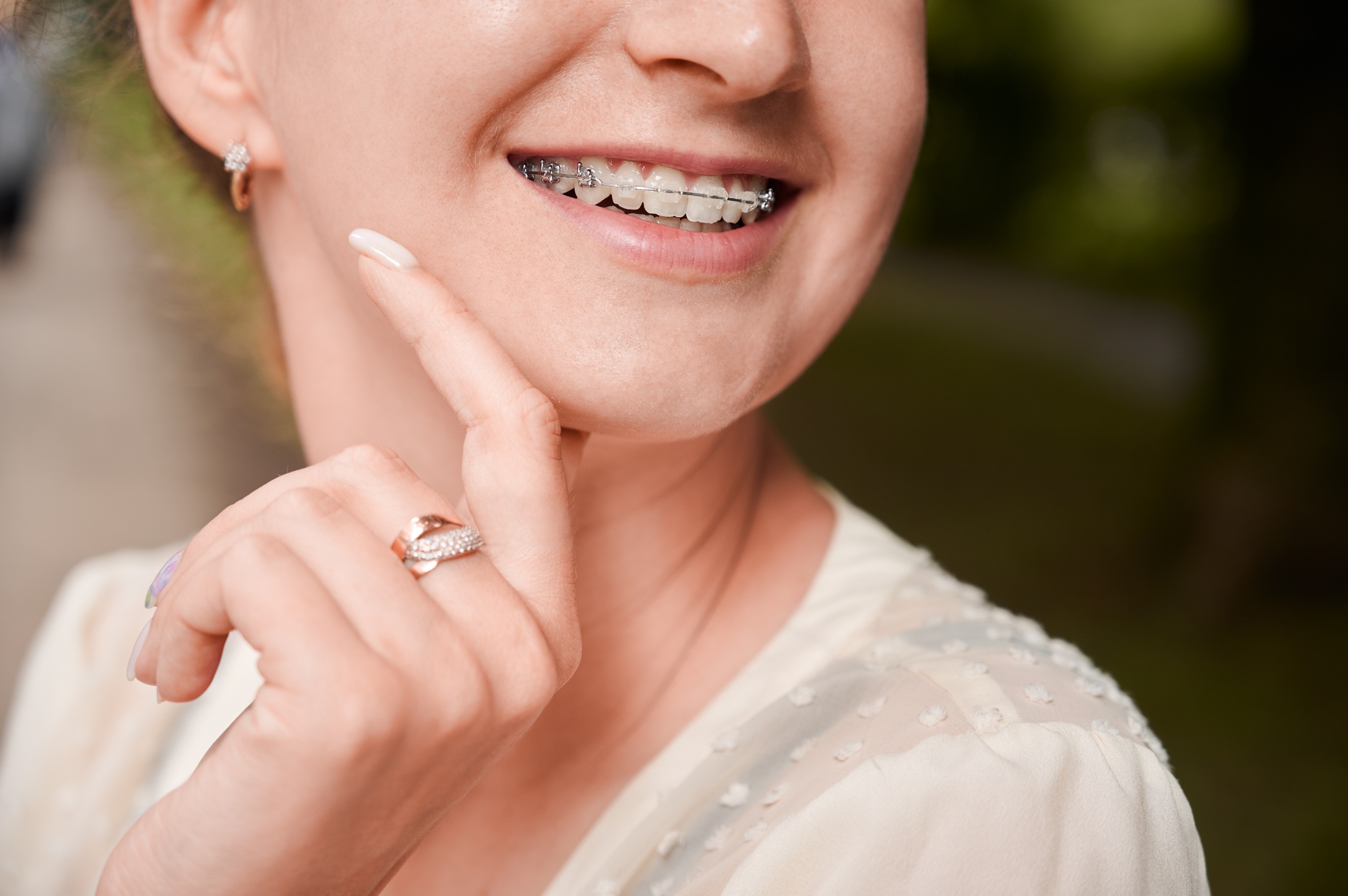
Orthodontic Insurance Options
Navigating orthodontic insurance can be crucial for securing affordable treatment options for both adults and children. Understanding the various insurance options can help families make informed decisions.
Dental Insurance for Adults
Dental insurance for adults often includes coverage for orthodontic treatments, though the specifics can vary widely among plans. Some plans, such as DeltaCare USA PAA48, cover orthodontic treatment for adult clients. This plan features an annual premium of $105, with an estimated total cost of $2,500 for 24 months of treatment—roughly 50 percent less than the average treatment fee. Therefore, it’s essential to review the specifics of each plan to understand its coverage limitations, especially for adults, as this differs from the coverage offered to children.
Here’s a comparison table of a few dental insurance plans available for adults:
| Insurance Company | Coverage for Adult Orthodontics | Annual Premium | Estimated Treatment Cost |
|---|---|---|---|
| DeltaCare USA PAA48 | Yes | $105 | $2,500 |
| Aetna Dental | Yes (varies) | Depends on plan | Varies |
| UHC Dental | Yes (varies) | Depends on plan | Varies |
For those who discover that their dental plan does not provide coverage for braces or other orthodontic services, there may still be options available to reduce treatment costs through in-network orthodontists.
Discount Plans Overview
Discount plans, also known as dental savings plans, have gained popularity due to the significant reductions they offer on orthodontic procedures. For example, the Careington Care 500 Plan provides members with a 20 percent discount on adult orthodontia services. This plan requires a $20 non-refundable processing fee along with a $99 annual fee for one member to join.
The shift toward dental savings plans allows individuals to access affordable orthodontic care without the encumbrance of high premiums or waiting periods often associated with traditional insurance plans. With a growing number of participating dentists, these plans can be an economical alternative for those seeking braces or other orthodontic services.
In conclusion, whether individuals choose dental insurance or a discount plan, the availability of various options maximizes the chance of achieving a straighter smile at manageable costs. For more information on different providers and coverage options, check out our resources on adult orthodontics with delta dental coverage and best insurance plan for adult orthodontics.
Evaluating Dental Plans
Evaluating dental plans can be a complex process, particularly when considering orthodontic treatment options like braces or aligners. It is important for individuals and parents to understand plan limitations and the necessity of finding network dentists to ensure comprehensive orthodontic care.
Plan Limitations
When researching dental insurance that covers braces for adults, one must carefully review the details of each plan. Dental insurance plans often have specific limitations regarding orthodontic services. Common restrictions can include:
- Maximum amounts that can be spent per year on orthodontic treatments.
- Waiting periods that must be observed before benefits can be utilized.
- Lifetime maximums that cap the total amount of benefits for orthodontic care.
For example, a typical plan might have an annual coverage limit of $1,500, meaning that any costs beyond that will be out-of-pocket expenses for the insured individual. Understanding these limitations will help in budgeting for necessary orthodontic treatments.
| Coverage Feature | Description |
|---|---|
| Annual Maximum | Total dollar limit on benefits each calendar year (e.g., $1,500) |
| Waiting Period | Time period before coverage begins (e.g., 6 to 12 months) |
| Lifetime Maximum | Overall cap on orthodontic benefits (e.g., $2,000) |
Additionally, should a dental plan exclude coverage for orthodontic services altogether, individuals may still qualify for discounts for treatments performed by an in-network orthodontist. This option allows continued access to necessary orthodontic care without full coverage from the insurance itself (Cigna).
Finding Network Dentists
In order to maximize the benefits of a dental insurance plan, it is critical to find network dentists who accept the specific insurance. Most plans require treatment to be performed by a dentist within their network. This means that if an individual chooses a provider outside of this network, they may face significantly reduced benefits or even non-coverage.
When searching for in-network orthodontists, consider the following steps:
- Consult the Insurance Provider’s Website: Most dental insurance companies have a list of participating dentists that can be found online.
- Contact Customer Service: Speaking with an insurance representative can help clarify any queries about in-network providers and coverage.
- Ask for Recommendations: Seeking recommendations from friends, family, and local community groups can lead to discovering respected orthodontists in the network.
Having access to a qualified network dentist contributes significantly to an smoother orthodontic treatment journey and ensures that the insurance benefits are fully utilized. To explore more about coverage options and potential providers, check our article on best insurance plan for adult orthodontics.
Choosing Orthodontic Services
Selecting the right orthodontic services involves understanding the available treatment options and post-treatment care.
Types of Treatments
There are several approaches to orthodontic treatment that cater to different preferences and needs. The primary types of services include:
| Treatment Type | Description |
|---|---|
| Traditional Braces | Metal brackets and wires are used to gradually shift teeth. |
| Clear Braces | Clear brackets are less visible compared to traditional braces. |
| Clear Aligners | Custom-molded plastic trays (e.g., Invisalign) that gradually move teeth. |
| Retainers | Used post-treatment to maintain tooth position after braces. |
Understanding these options is essential for making informed choices. Each treatment type has its unique benefits; for instance, clear aligners offer the advantage of being removable and less noticeable, while traditional braces are often more effective for complex cases (Cigna).
Post-Braces Care
Maintaining the results achieved from orthodontic treatment is crucial. After braces are removed, retainers play a vital role in ensuring teeth stay in their new positions. Retainers can be fixed or removable and should be worn as directed by an orthodontist.
- Follow-Up Appointments: Scheduled visits with the orthodontist to monitor progress.
- Good Oral Hygiene: Continued commitment to brushing and flossing to prevent cavities and gum disease.
- Usage of Retainers: Following the specific guidelines provided by the orthodontist, typically wearing retainers at night.
For those seeking coverage for orthodontic treatments, it’s important to check if their insurance, like the UHC dental plan adult orthodontic benefits or other major providers, includes orthodontic services. If coverage is limited, discounts may be available for in-network orthodontists.
Coverage Considerations
Coverage Limits
Understanding the coverage limits of orthodontic insurance plans is vital when evaluating options for braces or clear aligners. Many dental insurance plans impose specific limitations on orthodontic services. Common limitations include maximum amounts that can be spent annually, waiting periods before eligibility for treatment, or lifetime maximums for orthodontic care. For adults seeking UHC dental plan adult orthodontic benefits, it’s crucial to review the plan details thoroughly to ascertain these limits and ensure that the chosen plan meets their needs.
| Plan Type | Annual Maximum | Waiting Period | Lifetime Maximum |
|---|---|---|---|
| Standard Dental Insurance | Varies | 6-12 months | $1,500 – $2,000 |
| Discount Plan (e.g., Careington Care 500) | Varies | None | N/A |
Dental plans that may not specifically cover orthodontic services can still offer discounts on these treatments when using in-network orthodontists, providing added accessibility and affordability for treatment options (Cigna).
Variations for Adults and Children
Coverage for orthodontic services may vary significantly between adults and children. Many plans offer robust coverage for children requiring braces, aiming to address developmental dental needs early. In contrast, adult orthodontic coverage may be limited or structured with different benefits.
| Age Group | Typical Coverage | Common Treatment Types |
|---|---|---|
| Children (under 18) | Often comprehensive | Braces, expanders, retainers |
| Adults (18+) | Often limited | Braces, clear aligners, cosmetic procedures |
Adults interested in orthodontic care must carefully review their specific dental plans to understand these distinctions. Plans such as adult orthodontics with Delta Dental or those from other providers like Aetna may have different coverage outlines and limits compared to plans designed for children. Individuals should also consider additional options, such as discount plans or direct payment options, to make treatments more affordable.
Comprehensive research into available insurance plans and their specific orthodontic coverage can lead to better decisions when selecting the right treatment option for themselves or their children.
Guide to Insurance Search
Navigating the world of dental insurance can be complex, especially when searching for orthodontic coverage for adults. This section focuses on comparison platforms and affordable orthodontic options available to help individuals make informed decisions.
Comparison Platforms
Utilizing comparison platforms can simplify the search for orthodontic insurance options. Websites such as DentalPlans, which represents over 40 discount plans, allow individuals to compare yearly fees, discounts, and network dentists. The National Association of Dental Plans is another resource that can provide valuable insights into different plans available for adult orthodontics.
Here’s a brief overview of some comparison platforms:
| Platform | Description |
|---|---|
| DentalPlans | Offers comparison of various discount plans and allows for easy navigation to find suitable options for braces. |
| National Association of Dental Plans | Provides information on multiple dental insurance options, highlighting coverage for orthodontic treatments. |
For example, some insurance companies, like DeltaCare USA PAA48, offer individual dental plans with specific coverage for orthodontic treatment at a reduced annual premium (Colgate).
Affordable Orthodontic Options
In addition to traditional insurance, individuals may also consider discount plans that provide significant savings on adult orthodontia. These plans often have lower fees compared to standard insurance and can be a more budget-friendly choice for those seeking braces or aligners.
One such option is the Careington Care 500 Plan, which offers a substantial 20 percent discount on the regular fees for adult orthodontia, along with a minimal processing fee and an annual membership fee (Colgate).
| Plan Name | Annual Fee | Orthodontic Discount | Processing Fee |
|---|---|---|---|
| Careington Care 500 | $99 | 20% off | $20 non-refundable |
Even if a dental plan does not cover orthodontic services, individuals can often access discounts by choosing an orthodontist who is part of the network. Understanding these options can help maximize savings and ensure access to orthodontic treatment (Cigna).
When researching options, it’s essential to evaluate coverage limitations, particularly regarding differences between plans for adults and children. An informed choice can lead to improved affordability and access to necessary orthodontic care. For more detailed comparisons, consider exploring links like adult orthodontics with delta dental coverage or best insurance plan for adult orthodontics.


