
Orthodontic Treatment Choices
When considering orthodontic treatment options for your child or yourself, it’s crucial to understand the two primary types of correction available: braces and aligners. Each approach offers distinct benefits, making it important to evaluate which is the best fit based on age, lifestyle, and personal preferences.
Braces Overview
Braces have been a traditional orthodontic solution for correcting alignment issues and have a proven history of effectiveness. They consist of metal brackets that are bonded to the teeth and connected by archwires, which gradually reposition the teeth into the correct alignment.
Key Features of Braces:
| Feature | Description |
|---|---|
| Visibility | Typically more noticeable than aligners |
| Treatment Duration | Usually takes 18-24 months on average |
| Adjustments | Requires regular visits to the orthodontist for adjustments |
| Root Movement | Effective for complex cases requiring significant tooth movement |
Braces are often preferred by orthodontists for cases with severe alignment issues due to their ability to apply consistent pressure over time. They are also suitable for patients of all ages.
Aligners Overview
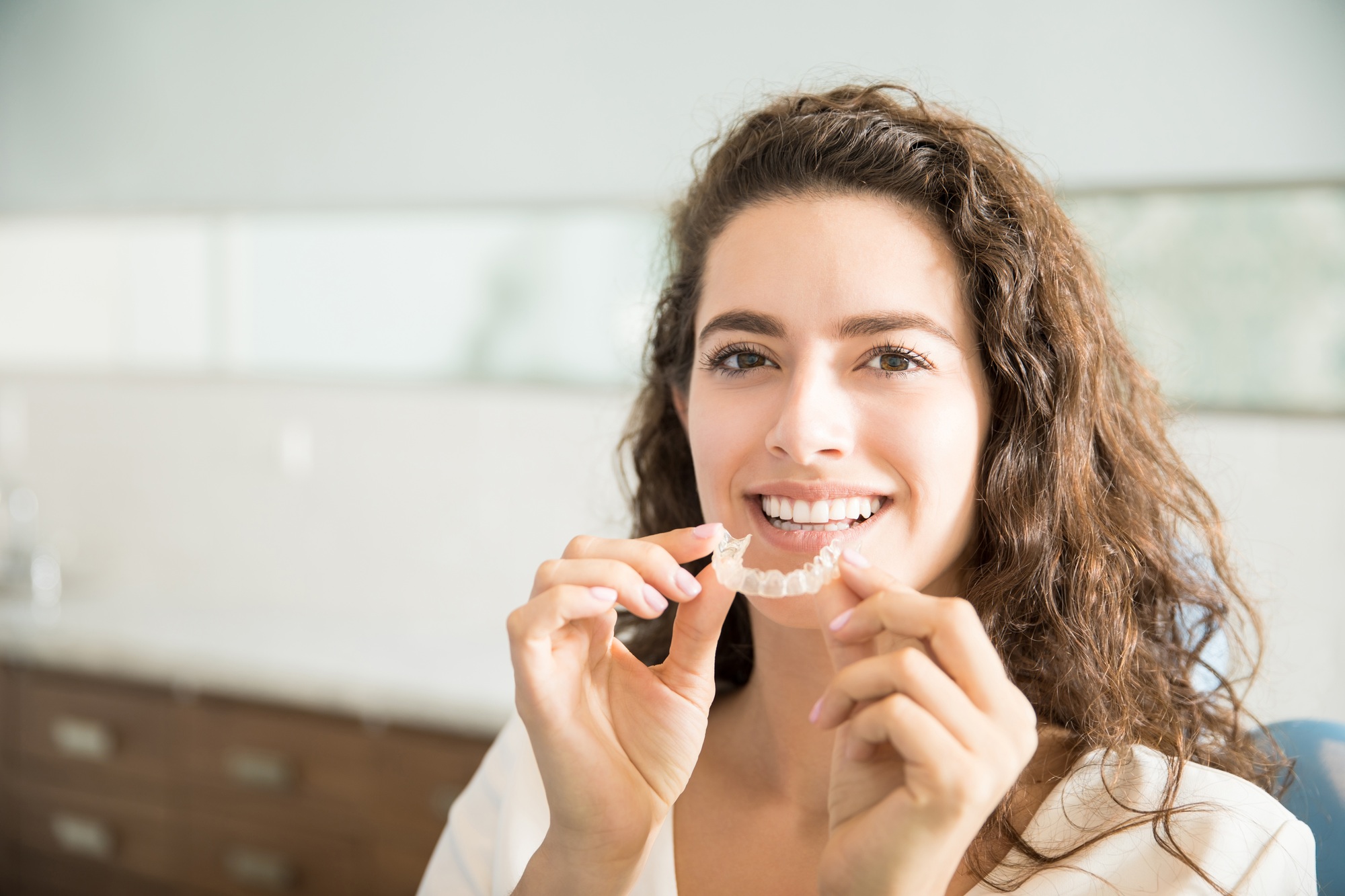
Aligners, such as Invisalign, represent a more modern approach to orthodontics. These are custom-made, clear plastic trays that fit snugly over your teeth and gradually shift them into position.
Key Features of Aligners:
| Feature | Description |
|---|---|
| Aesthetics | Virtually invisible, making them a popular choice among adults and teens |
| Comfort | Generally more comfortable than traditional braces |
| Removability | Can be taken out for eating, brushing, and flossing |
| Treatment Duration | Varies; often similar to braces (typically 12-18 months) |
Aligners work best for mild to moderate alignment issues and require the commitment to wear them for 20-22 hours a day. They also require fewer visits to the orthodontist compared to braces.
Choosing between braces and aligners depends significantly on the individual’s specific dental issues, lifestyle choices, and personal preferences. Understanding both options can help you make an informed decision on which path to pursue for your orthodontic treatment.
For more information on dental coverage, check our article on dental insurance options for orthodontics to ensure you select a provider that fits your needs, such as a family orthodontist accepting Delta Dental.
Factors to Consider
When selecting the right orthodontic treatment option, such as braces or aligners, there are several important factors to consider. Understanding the influence of age and lifestyle can help you make the best choice for yourself or your child.
Age Considerations
Age plays a significant role in determining the best orthodontic solution. Children, teens, and adults may require different approaches based on their dental needs and developmental stages.
| Age Group | Recommended Orthodontic Treatment | Considerations |
|---|---|---|
| Children (7-12) | Braces or early intervention | Growing jawbone allows for easier corrections. Regular check-ups are essential to monitor progress. |
| Teens (13-18) | Braces or clear aligners | Depending on severity, aesthetics may be a concern. They might prefer aligners for their visibility. |
| Adults (25-55) | Braces or clear aligners | Adult treatments may address complex issues such as bite problems. Consider existing dental health conditions. |
Lifestyle Factors
Your lifestyle can also influence your choice of orthodontic treatment. Factors such as occupation, hobbies, and personal preferences come into play when deciding between braces and aligners.
Consider these lifestyle factors:
- Occupational Considerations: If you work in a job requiring frequent public interaction, you may prefer clear aligners for their aesthetic appeal.
- Activity Level: For those involved in contact sports, braces could be a concern. Aligners might be a safer option, as they can be removed during physical activity.
- Commitment Level: Aligners require consistent use (20-22 hours a day) and regular cleaning, while braces are fixed, requiring less day-to-day management.
When discussing treatment with your orthodontist, consider these factors to ensure you choose a solution that fits comfortably within your daily routine. For further insights into dental coverage, check our resource on dental insurance options for orthodontics to understand what is covered by providers like Delta Dental and how it affects your choice of treatment.
Choosing Based on Age
When it comes to selecting the right orthodontic treatment for you or your child, it’s essential to consider age as a significant factor. Different age groups have varying orthodontic needs and preferences. Below is a breakdown of options for children, teens, and adults.
Children (Ages 7-12)
For young children aged 7-12, early orthodontic evaluation is crucial. This age is often when permanent teeth begin to emerge, and taking proactive measures can help guide their growth and alignment.
Common Treatments:
- Braces: Traditional metal braces are effective for correcting issues like overbite, underbite, crooked teeth, and misaligned jaws.
- Space Maintainers: These devices prevent adjacent teeth from shifting into gaps left by missing teeth.
| Treatment Type | Suitable Age Range | Estimated Cost | Coverage Options |
|---|---|---|---|
| Traditional Braces | 7-12 | $3,000 – $7,000 | insurance-covered braces for adults and kids |
| Space Maintainers | 7-12 | $500 – $1,500 | Often covered by dental insurance options for orthodontics |
Teens (Ages 13-18)
Teens often have more complex orthodontic issues that require attention. This age group tends to have a variety of preferences between braces and aligners.
Common Treatments:
- Braces: Still the most effective for significant misalignment and structural issues.
- Clear Aligners: A popular option for teens who may prefer a less visible treatment option.
| Treatment Type | Suitable Age Range | Estimated Cost | Coverage Options |
|---|---|---|---|
| Traditional Braces | 13-18 | $3,000 – $7,000 | Covered by plans like Delta Dental (family orthodontist accepting delta dental) |
| Clear Aligners | 13-18 | $3,000 – $8,000 | Flexible orthodontic coverage available, check with insurance-friendly orthodontist for braces |
Adults (Ages 25-55)
Adult orthodontics has gained popularity as more individuals recognize the importance of dental health and aesthetics. Adults often have specific concerns, such as treatment times and the visibility of braces.
Common Treatments:
- Braces: Effective for modifications but may appear less appealing.
- Clear Aligners: Preferred for adults due to their discreet nature.
| Treatment Type | Suitable Age Range | Estimated Cost | Coverage Options |
|---|---|---|---|
| Traditional Braces | 25-55 | $3,000 – $7,000 | Available under Delta Dental plans (adult orthodontics coverage) |
| Clear Aligners | 25-55 | $3,800 – $8,500 | Check benefits under specific plans like Delta PPO™ (dental insurance that covers braces and aligners) |
Understanding your age group’s needs will help you navigate the orthodontic treatment options available to you or your child. Researching providers who accept major insurances like Delta Dental can further enhance your treatment planning experience.
Dental Insurance & Coverage
Understanding your dental insurance options is crucial when seeking orthodontic care. Delta Dental is a leading provider that offers various plans suited to different needs, especially for families and individuals pursuing orthodontic treatments.
Delta Dental Plans
Delta Dental provides multiple plan options such as Delta Dental PPO, Delta Dental Premier, DeltaCare USA DHMO, and Delta Dental EPO. These plans allow members to select a coverage type that best suits their financial and dental health needs. Delta Dental has the largest network of dentists across the U.S. and Puerto Rico, ensuring easy access to quality care (Delta Dental Ohio).
| Plan Type | Description |
|---|---|
| Delta Dental PPO | Flexible plan with a large network of providers. Allows out-of-network care. |
| Delta Dental Premier | Offers extensive coverage and a large network of dentists. |
| DeltaCare USA DHMO | A managed care plan focusing on cost-effective solutions. |
| Delta Dental EPO | Exclusive provider organization plan with lower out-of-pocket costs. |
Delta Dental’s plans are designed to provide accessible healthcare at an affordable rate, catering to both individual and family needs while prioritizing oral health (Delta Dental Ohio).
Orthodontic Treatment Coverage
When considering orthodontic treatment options like braces or aligners, understanding the coverage provided by your Delta Dental plan is essential. Most plans cover a portion of the costs associated with orthodontic treatments, which can include:
- Traditional braces
- Clear aligners
- Retainers
Coverage levels can vary based on your specific plan, with some plans having a lifetime maximum for orthodontic benefits. It is advisable to check your specific policy to determine what is included in your coverage and any associated limits.
If you need detailed information about how specific orthodontic treatments are covered, refer to our article on dental insurance that covers braces and aligners. Ensuring you have clear information about your insurance will make the process of selecting an orthodontist smoother. For families looking for orthodontic care that accepts Delta Dental, consider exploring options with a family orthodontist accepting delta dental.
Understanding your dental benefits is a vital step in choosing the best orthodontic office. Knowing your plan’s coverage can give you the confidence to pursue the right treatment options for you and your family.
Orthodontic Office Selection
Choosing the right orthodontic office is an essential step in your orthodontic journey. It involves evaluating location convenience and financial considerations, which play a crucial role in ensuring a smooth treatment experience.
Location & Convenience
When selecting an orthodontic office, consider its location. A practice that is conveniently situated near your home, school, or workplace can significantly enhance your ability to attend appointments regularly. Accessibility is key; a centrally located office with extended hours ensures that you can receive care when you need it. This flexibility makes it easier to adhere to your treatment plan and reduces the likelihood of missed appointments. For further guidance, check out our resource on orthodontic consultation with insurance benefits.
Financial Considerations
Understanding the financial aspects of orthodontic treatment is vital. Costs can vary among orthodontists, so it is important to inquire about all expenses upfront. Ensure that the practice is transparent regarding their fees to avoid surprises during treatment. Inquire whether the office accepts your insurance plan, such as Delta Dental, and ask about the details of the coverage for braces or aligners. Many practices offer flexible payment plans or discounts for upfront payments, which can significantly ease the financial burden of treatment (White Plains Orthodontics).
Here’s a table summarizing common financial considerations when selecting an orthodontic office:
| Consideration | Notes |
|---|---|
| Insurance Acceptance | Confirm whether the office accepts Delta Dental and other plans like Aetna or UHC. |
| Cost Transparency | Ask for a complete breakdown of costs for your chosen treatment. |
| Payment Plans | Inquire about financing options or discounts for full payments. |
| Insurance Verification | Ensure thorough verification of orthodontic coverage under your plan. |
Evaluating these factors will help you make an informed decision about selecting the top orthodontic office that takes Delta Dental. Finding a practice that aligns with your financial and practical needs can optimize your orthodontic experience and contribute to long-term dental health. For more information about insurance options and coverage, refer to our articles on dental insurance options for orthodontics and dental insurance that covers braces and aligners.
Making the Decision
Consultation & Evaluation
Choosing the right orthodontist is crucial for you and your child’s dental health. During your initial consultation, consider evaluating several key factors to ensure you make an informed choice. Look into the orthodontist’s education, experience, treatment options available, and overall reputation. It’s also important to assess the office environment and whether it aligns with your comfort levels and needs.
Accessibility plays a significant role in your decision-making process. Opt for an orthodontic practice that is conveniently located, with flexible hours to accommodate your busy schedule. This makes it easier to attend appointments and adhere to treatment recommendations. A centrally located office with extended hours can provide the care you need when you need it. Consider factors such as proximity to your home or workplace, parking ease, and available public transportation options when selecting an orthodontist.
Lastly, inquire about their emergency care services and whether they offer after-hours availability for orthodontic emergencies. For more tips on selecting the right provider, visit our article on insurance-friendly orthodontist for braces.
Long-Term Results Evaluation
When evaluating long-term outcomes, it’s essential to understand the benefits that braces can provide. They effectively address issues like overbites, underbites, crooked teeth, and misaligned jaws in adults. If left untreated, these problems may escalate into severe conditions such as tooth decay, headaches, chewing difficulties, and gum disease (Delta Dental Insider Update).
Costs associated with orthodontic treatment can vary widely among different practitioners. Therefore, it’s important to ask about all fees upfront and confirm whether they accept your dental insurance, such as Delta Dental. Additionally, inquire about available financing options or payment plans to help ease the financial burden of treatment. Check out dental insurance options for orthodontics for more information on coverage.
By considering these factors, you can feel more confident in your choice and ensure a healthier, beautiful smile for you or your child.


