
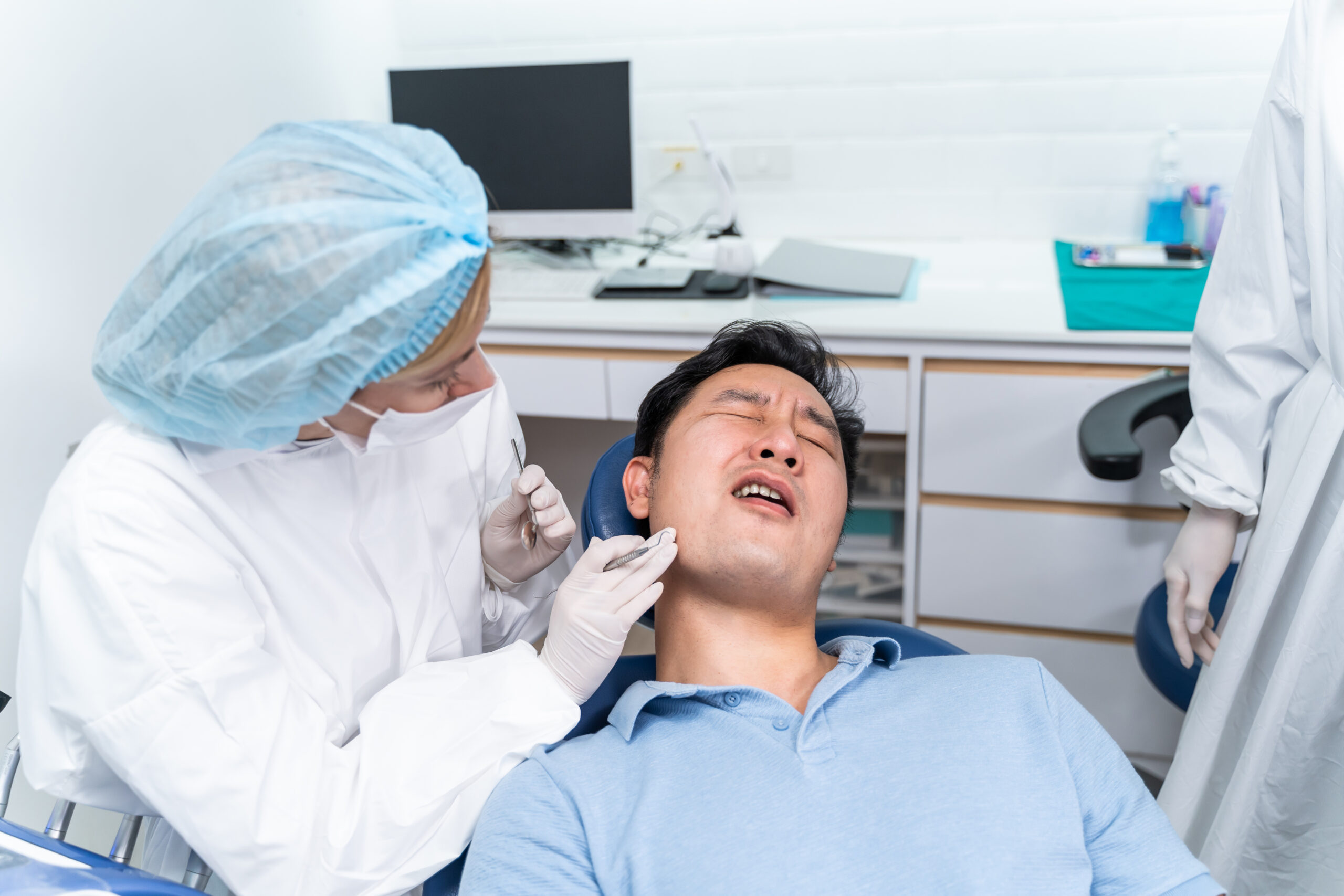
Understanding TMJ and TMD
If you have ever experienced persistent jaw pain, clicking sounds when you open or close your mouth, or tension around your ears, you might be dealing with a condition known as temporomandibular joint disorder (TMD). This condition affects the temporomandibular joint (TMJ), which connects your jawbone to your skull. TMJ oral appliance therapy can be an essential resource in alleviating pain, discomfort, and the many complications that stem from TMD.
TMD is relatively common, with between 5% and 12% of the general adult population experiencing some form of this disorder (Cleveland Clinic). Factors like stress, jaw injuries, teeth grinding, or gum chewing can contribute to its development. Moreover, everyday habits, such as leaning on your chin or maintaining poor posture, can make TMD symptoms worse. Although the jaw joint might seem small, it plays an essential role in routine functions—talking, chewing, and even yawning. When something disrupts its movement, your daily life can feel significantly affected.
At Wright Orthodontics, we appreciate the unique challenges facing anyone with TMD. Discomfort can take a toll on your overall well-being, adding stress to even minor tasks like eating a meal or chatting with friends. In a supportive environment that centers on your individual experiences, it is possible to find both relief and a renewed sense of empowerment. Throughout our process of evaluating your symptoms, we take extra care to address your concerns, ensuring you receive an individualized plan that makes sense for your lifestyle.
In many cases, TMD manifests in episodes—some instances may last only a few weeks, while others persist for months or years. A vital part of managing TMD involves recognizing its triggers and implementing preventive measures, such as eliminating excessive jaw strain. Occasionally, TMD can diminish on its own, but if you are experiencing ongoing symptoms, professional help is key. Various therapies exist, but one of the most popular and effective for TMD relief is TMJ oral appliance therapy.
By combining expert assessment, comprehensive care, and a genuine commitment to your comfort, Wright Orthodontics can help you navigate TMD challenges more successfully. This approach sets the foundation for your longer-term health, supporting you as you move toward a more comfortable and sustainable way of living.
How TMJ oral appliance therapy works
TMJ oral appliance therapy involves using a custom-fitted device designed to improve jaw alignment and reduce tension in the muscles surrounding the TMJ. According to research from AZ Sleep & TMJ Solutions, the main goal is to prevent your lower jaw from moving into misaligned positions that can increase stress on the joint. In simplistic terms, the appliance repositions your jaw into a more relaxed state during sleep, significantly alleviating the pressure that could otherwise aggravate TMD symptoms.
Realigning the lower jaw
Much like orthodontic treatments that shift your teeth to a more favorable alignment, oral appliances for TMJ manipulate the jaw’s position. This adjustment helps reduce strain on the ligaments and discs that cushion the joint. By pulling the lower jaw slightly forward, the device helps maintain a more open space for your TMJ to move without interference. In fact, custom-made appliances are far more effective at delivering these benefits, as standardized or over-the-counter devices lack precise fit. Studies show that customized devices not only yield better results but also promote higher adherence (PubMed Central).
Reducing muscle tension
When the jaw muscles overwork because of misalignment, you could experience chronic headaches, facial pain, and clicking sounds. Oral appliance therapy aims to decrease muscle tension by holding your jaw in an optimized position. This approach is akin to giving your muscles a break. Some patients also notice reduced bruxism (teeth grinding), which frequently accompanies stress or TMD, particularly during sleep. By curbing these harmful clenching patterns, you lessen the load on the TMJ, paving the way for better healing and improved jaw health long term.
Short-term side effects
Adapting to wearing an oral appliance at night can be challenging. You may initially experience excessive salivation, dryness, or even mild tooth and gum discomfort. Many of these side effects fade within the first few weeks as your body adjusts. More persistent issues, such as prolonged jaw soreness, require thorough assessment or readjustment of the device. Wright Orthodontics is especially attentive to your comfort, guiding you through regular check-ins and minor modifications if needed. Our team monitors your progress and helps you find a solution that is both effective and supportive.
Evidenced-based solution
Oral appliance therapy has strong evidence backing its success in addressing mild to moderate sleep-disordered breathing and TMD (PubMed Central). Moreover, the American Academy of Dental Sleep Medicine endorses consensus recommendations for managing side effects effectively. By relying on industry-leading practices and expertise, you can feel confident that this is a well-researched approach to alleviating TMJ pain.
With a sustained commitment to oral appliance therapy, many of our patients at Wright Orthodontics find long-term relief, improved sleep, and an overall increase in well-being. By realigning the jaw and mitigating stress on the TMJ, this therapy can help you return to a more comfortable, vibrant life.
Why choose Wright Orthodontics
When it comes to addressing TMD or planning your orthodontic journey, selecting the right practice can make a world of difference. Wright Orthodontics approaches your care with empathy and expertise, focusing on the challenges that each individual faces. We believe in creating a supportive environment and providing comprehensive care that allows you to explore relief from TMD while accessing top-tier orthodontic treatments simultaneously.
Specialized approach for unique challenges
TMJ disorders are intricate, and every patient’s struggle looks different. Our approach emphasizes tailored treatment programs, recognizing that each person’s anatomy, lifestyle, and severity of TMD vary. By prioritizing individualized plans, we ensure you receive an approach that addresses your core concerns head-on. While many TMD therapies follow a generalized path, we spend time investigating the factors that contribute to your discomfort—such as stress, poor posture, or nighttime clenching—then craft a strategy that fits your life.
Moreover, we encourage open communication throughout your journey. If the shape of the appliance feels uncomfortable or triggers unexpected sensitivity, our team will work diligently to adjust the fit. In essence, we combine advanced techniques with steady support to give you the help necessary for lasting recovery.
Innovative orthodontic services
At Wright Orthodontics, our expertise extends beyond TMD to include a wide range of orthodontic solutions that complement your jaw health:
- Invisalign consultation appointment: Get a digitally guided overview of how discreet clear aligners can correct bite issues, which also supports better TMJ positioning.
- invisalign teen program: Designed especially for younger patients with developing jaws, this program can proactively address alignment problems.
- orthodontic digital scan service: We use advanced imaging to capture detailed jaw measurements, ensuring the highest accuracy for both braces and TMJ appliances.
- night guard for braces: Ideal if you’re currently in braces treatment and experiencing clenching or grinding issues at night.
By offering these synergistic services, we help safeguard and align both teeth and jaw, contributing to your overall well-being—because proper alignment often influences comfortable jaw function.
Comprehensive care under one roof
We know that multiple appointments and different specialists can feel overwhelming. Wright Orthodontics strives to simplify your treatment path by consolidating services and expertise. Our team continually expands its knowledge of the latest advancements—whether that involves new approaches to TMJ oral appliance therapy or improvements in orthodontic technology—so you can be confident you have access to modern, evidence-based treatments.
We also aim to reduce the stress of exploring various treatment options by guiding you through each step. You might start by looking into TMD solutions and later discover that your best path to full relief includes an adult orthodontic care plan as well. Or, you might realize that your jaw discomfort is linked to mild sleep apnea, prompting us to recommend a sleep apnea oral appliance. Rather than juggle multiple providers on your own, you can rely on our integrated approach for both immediate relief and longer-term health.
Potential side effects and how to manage them
Adjusting to TMJ oral appliance therapy can be a smooth process for some, while others may experience discomfort or side effects. It’s natural to have questions about how your body will adapt, and understanding common issues helps you plan for a successful outcome.
Excessive salivation or dry mouth
Many patients notice increased salivation when they first use their oral appliance, mainly because the mouth perceives the device as something that needs to be moistened. Conversely, others experience dry mouth, noticing they need more water than usual. These concerns typically subside after a few weeks. In some instances, your orthodontic specialist might suggest minor device modifications or hygiene practices—such as rinsing with a moisturizing mouthwash—to help balance your oral environment.
Jaw or tooth discomfort
Waking up with mild jaw soreness or tooth pressure can happen during the early stages of therapy. Often, this is your body’s way of signaling that it is still adjusting. Brief discomfort is a sign the appliance is doing its job—gradually guiding your jaw into a more favorable alignment. If this soreness persists or grows more intense, don’t hesitate to bring it up during your check-ins at Wright Orthodontics. Adjustments in the device’s calibration or redesign can bring about significant relief.
Changes in bite
A small subset of patients may notice a temporary or permanent shift in their bite alignment. This possibility is why continuous monitoring is crucial. Orthodontic professionals, especially those trained in dental sleep medicine, can regularly assess how your teeth and jaw are responding. By catching concerns early, we can arrange fine-tuning that preserves your natural bite or ensures it shifts only to the extent needed to reduce TMJ stress.
Long-term monitoring
Much like braces or other orthodontic interventions, TMJ oral appliance therapy may require ongoing maintenance. Routine check-ups ensure your appliance remains in good condition and effectively serves its purpose. Some patients may need more frequent monitoring if they have co-occurring conditions, such as arthritis or severe bruxism. Compliance plays a large role in how quickly you see results—wearing your device consistently and collaborating with your orthodontist during follow-up visits keeps you on track for improved jaw health.
Complementary treatments and lifestyle adjustments
TMJ disorders often thrive on more than one contributing factor. While an oral appliance supports proper alignment, extra steps can reinforce your healing and provide further relief. At Wright Orthodontics, we champion a holistic attitude: we encourage you to seek out complementary therapies, adopt a balanced lifestyle, and participate in habits that reduce strain on your TMJ.
Stress management
Emotional distress frequently escalates the likelihood of clenching your jaw or grinding your teeth—especially at night. Methods like meditation, gentle stretches, or guidance from a mental health professional can make a difference. Even pausing daily for a few deep breaths can help relax overworked muscles. Additionally, you may want to inquire about night guard for braces if you suspect stress-induced grinding is damaging your braces or further irritating your TMJ.
Self-care and physical therapy
Exercises that strengthen and stretch the jaw muscles can relieve tension. Professional physical therapists sometimes use ultrasound or radiofrequency therapy to reduce inflammation, particularly if your TMD involves joint swelling or arthritic components (Dental Sleep Medicine). At-home facial massages, warm compresses, or gentle jaw stretches offer more accessible ways to manage discomfort. Avoiding prolonged chewing on items like gum or tough foods also gives your jaw a well-deserved break.
Preventive dental check-ups
Maintaining regular appointments ensures your dentist or orthodontic specialist can track any evolving changes. By identifying minor shifts early, you prevent them from compounding into bigger problems. Such monitoring may extend to your other orthodontic appliances, including braces or aligners—keeping your care cohesive and thorough. If you are exploring a realignment of both your teeth and jaw, you might also consider an orthodontic digital scan service for highly accurate imaging.
Integrating sleep apnea solutions
Sometimes TMD overlaps with obstructive sleep apnea (OSA), where your airway becomes blocked during sleep. Oral appliances can be adapted to address both concerns simultaneously. Research from the Cleveland Clinic suggests that appliances designed for sleep apnea also help curb unhealthy jaw clenching—since the device repositions the jaw and keeps the airway open. If snoring or fatigue suggests you have mild sleep apnea, a snoring oral appliance therapy approach could complement your TMD therapy.
By weaving multiple therapies, lifestyle modifications, and consistent check-ups into your routine, you pave the way for healthier jaw function. The objective is not just temporary relief. Our goal at Wright Orthodontics is to help you build an enduring foundation that supports freedom from TMD pain.
Differences between TMJ oral appliance therapy and CPAP
A common misconception links all oral appliances strictly to sleep apnea treatment, fit only as a CPAP replacement. However, TMJ oral appliance therapy is distinct in its goal and design—though there is overlap in how these devices can benefit mild to moderate sleep apnea sufferers.
Purpose and design
Continuous positive airway pressure (CPAP) machines use pressurized air to keep your airway open, targeting the most critical symptoms of obstructive sleep apnea. On the other hand, TMJ oral appliance therapy specifically realigns your jaw to minimize tension in the temporomandibular joint. In practice, you may find certain oral appliances can address both. Mandibular advancement devices, for instance, pull the lower jaw and tongue forward so that the airway remains open, while also mitigating the kind of misalignment implicated in TMD (Cleveland Clinic).
Comfort considerations
For TMD patients, comfort is paramount. Oral appliances used solely for sleep apnea might not always account for the delicate interplay of the TMJ and disc, potentially leading to jaw discomfort if not applied correctly. CPAP, meanwhile, can become cumbersome or noisy. By contrast, a specialized TMJ appliance is designed to be low-profile, focusing on reshaping the jaw’s resting position without requiring machinery or forced airflow.
Orthodontic synergy
If you already have an orthodontic plan in place—be it braces, aligners, or specialized devices—CPAP equipment is typically separate from that process. Here at Wright Orthodontics, we integrate your TMD oral appliance therapy with any existing orthodontic treatments. If obstructive sleep issues do emerge, we have options like sleep apnea oral appliance that can align perfectly with your TMD management plan. This synergistic approach simplifies your path to better overall jaw health and quality of sleep.
Frequently asked questions
-
How long does it take to see improvements with TMJ oral appliance therapy?
Many people notice reduced pain or fewer headaches within a few weeks of consistent use. However, each individual’s body adapts at a different pace. Some may experience dramatic relief sooner, while others might require multiple adjustments or additional treatments over several months. Continual follow-up visits help ensure your appliance remains correctly calibrated and that you are receiving the most personalized care possible. -
Can TMJ oral appliance therapy be used alongside braces or clear aligners?
Absolutely. Combining appliance therapy with orthodontic treatments can be advantageous, especially if your overall bite alignment is contributing to TMD. By collaborating with a skilled orthodontic team, you can synchronize both interventions—this means your braces, aligners, or invisalign teen program plan is designed with your TMJ health in mind. It streamlines your care without compromising comfort or effectiveness. -
Are there non-surgical options beyond oral appliances for TMJ?
Yes. While TMJ oral appliance therapy is a leading choice, other interventions may include physical therapy, stress management, hot or cold compresses, and muscle relaxants. You may also want to avoid damaging habits like chronic gum chewing or teeth clenching, which put added stress on the joint. In cases where sleep disorders intensify TMD, a snoring oral appliance therapy solution or other lifestyle adjustments can provide additional relief. -
Could TMJ oral appliance therapy affect speech or comfort while talking?
Most appliances are worn primarily at night, so your speech during the day is usually unaffected. If your dentist or orthodontist recommends wearing it part-time during waking hours, you might feel mild differences in how your jaw moves. However, as you adjust, speaking typically becomes more comfortable and natural. Always communicate any difficulties you experience so your provider can refine the appliance design. -
What types of adjustments are involved in maintaining the appliance?
Adjustments vary depending on how your jaw is responding. Common modifications include slight repositioning to balance the bite pressure or reduce any strain you feel in the morning. Your orthodontic specialist will assess whether small design tweaks are necessary, such as trimming excess material or altering the device’s thickness. Regular monitoring ensures the appliance maintains an optimal fit for your evolving needs.
Conclusion
TMJ oral appliance therapy stands out as a proven, non-surgical avenue for addressing TMD-related pain and dysfunction. By reshaping your jaw’s resting position, the appliance alleviates the strain that contributes to daily aches, headaches, and impaired mobility. Whether you have struggled with TMD for years or recently noticed symptoms like clicking noises and pain, you have an opportunity to restore your comfort and reclaim a sense of control over your life.
At Wright Orthodontics, we recognize that each individual’s experience with TMD can be intensely personal. We aim to create a supportive environment centered on your unique challenges and goals. Our focus goes beyond just TMJ care. If you are interested in other orthodontic solutions—such as braces, discreet aligners, or specialized devices—our integrated team can tailor a complete plan for your particular needs. From invisalign consultation appointment to night guard for braces, we leverage the latest innovations to create a comprehensive approach to jaw and dental health.
Taking the first step to relieve TMJ pain is not just a physical journey, but an emotional one. Every day you wake up pain-free or notice that you are grinding less at night is a step toward improved well-being and confidence. By exploring TMJ oral appliance therapy with an experienced orthodontic provider, you unlock the support necessary for lasting recovery. This therapy can help you achieve a more comfortable life, one where your jaw is free to move without strain and your daily activities are no longer overshadowed by discomfort.
We invite you to consider how a personalized TMJ oral appliance therapy plan might transform your daily routine. If you are ready to learn more, we encourage you to reach out for professional guidance. Together, let us craft an individualized path that not only addresses TMD, but also empowers you with comprehensive solutions tailored to your overall orthodontic health. Your comfort, relief, and renewed sense of vitality are within reach—and we are here to help you achieve them.


