
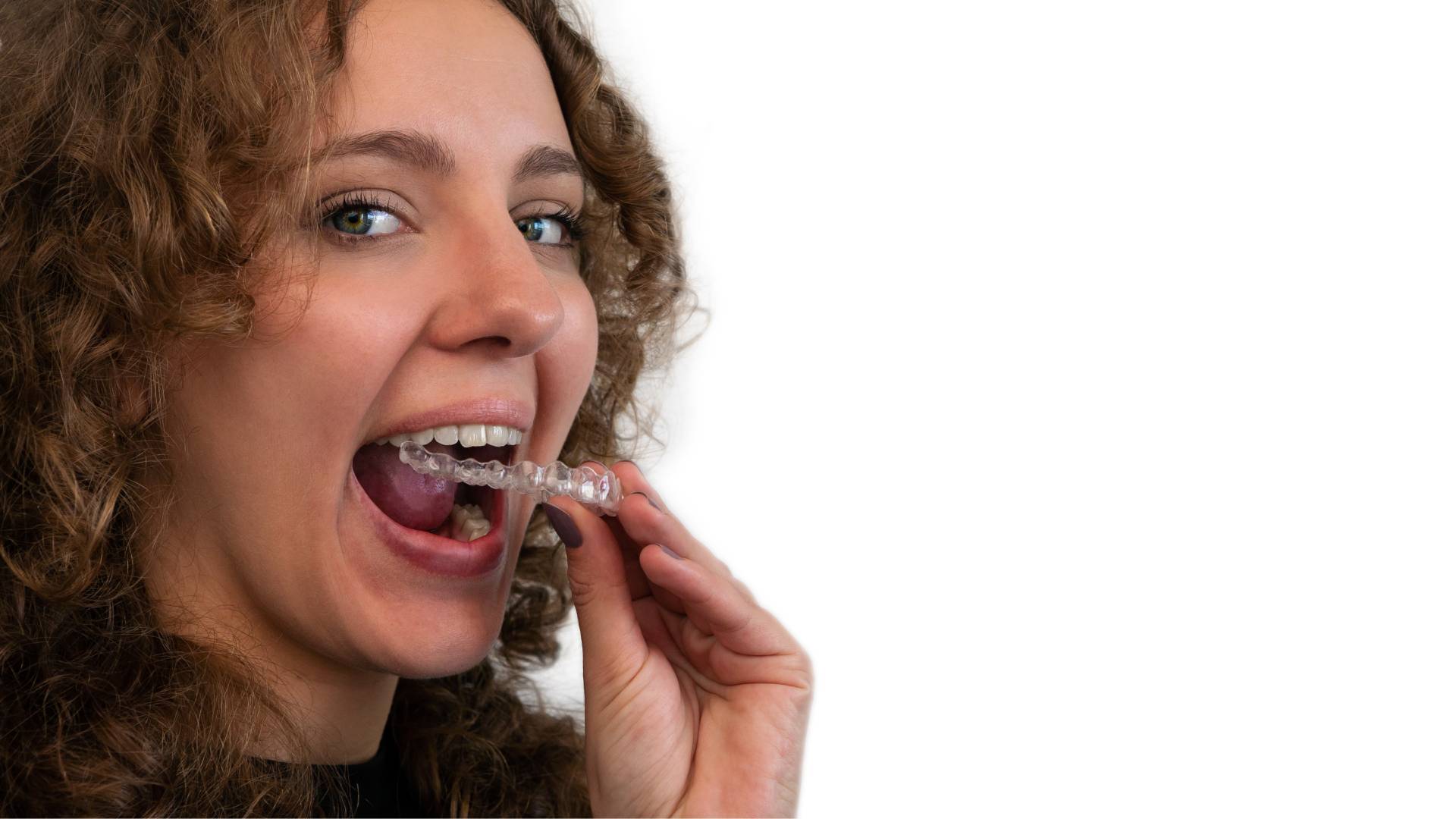
Self ligating braces overview
If you’re exploring orthodontic solutions to achieve a straighter smile, you’ve likely encountered self ligating braces as a modern alternative to conventional options. Self ligating braces use a built-in clip mechanism to secure the archwire, eliminating the need for elastic bands or metal ties. This design can offer you fewer adjustment visits, enhanced comfort and easier oral hygiene than traditional systems [1]. In this article, you’ll discover what makes self-ligating braces unique, how they work, the benefits and considerations you should weigh, and how they stack up against traditional metal braces or an all-ceramic approach like ceramic braces treatment. Whether you’re a teen, an adult or a parent researching options, this guide will give you the clear, confident insights you need before your next orthodontic consultation appointment at Wright Orthodontics.
Self ligating braces are fixed orthodontic appliances that rely on integrated clips or shutters within each bracket to hold the archwire in place. Unlike conventional braces, which require elastic ligatures or metal ties, self-ligating systems secure the archwire with a mechanical hinge. First introduced in the 1930s, these appliances surged in popularity during the 1980s after advances in materials and manufacturing methods made them more efficient and comfortable [2]. Today, they are used to correct a wide range of alignment issues, from mild crowding to complex bite irregularities. By reducing friction between the wire and the brackets, these braces allow smoother tooth movement and may even shorten some phases of treatment. At Wright Orthodontics, our specialists have guided hundreds of patients through self-ligating therapy, offering both metal and ceramic bracket options for a balance of strength and discretion. As a result, many patients report fewer appointments, less discomfort between visits and an overall streamlined journey toward the smile they envision.
Mechanics of self-ligating braces
At the heart of self-ligating braces is a specialized bracket design that eliminates the need for elastic or metal ligatures. Each bracket comes equipped with either a sliding clip or a spring-loaded gate, securing the archwire and allowing it to move freely as teeth shift. Passive self-ligating brackets employ a simple sliding door that does not exert additional force on the wire; active self-ligating brackets use a spring clip that applies gentle, consistent pressure to guide teeth into the desired position [3]. By reducing friction between the archwire and brackets, these systems may facilitate smoother tooth movement and can potentially shorten adjustment appointments. Furthermore, fewer ligatures mean fewer trap points for food debris, simplifying your daily oral hygiene routine. Overall, understanding this clip-and-wire mechanism helps you appreciate how self-ligating braces can offer a more efficient path to a well-aligned smile.
Benefits of self-ligating braces
When you choose self-ligating brackets, you can look forward to several advantages over conventional ligated braces:
- Fewer adjustment appointments
Since the built-in clip design holds the archwire securely, your orthodontist at Wright Orthodontics may schedule visits every 8 to 12 weeks instead of the typical 4 to 6 weeks required for elastic ligatures [4]. - Improved comfort
Passive movement of the archwire can reduce pressure and friction on your teeth, translating to less soreness between visits. - Easier oral hygiene
Without elastomeric ligatures to trap food particles, brushing and flossing become more straightforward, lowering your risk of plaque buildup and staining [4]. - A sleeker appearance
Self-ligating brackets are typically lower-profile than conventional brackets, and clear ceramic options can blend more discreetly with your teeth [5]. - Flexible treatment timeline
While overall treatment length is similar to traditional braces—an average of 12 to 30 months—some phases, particularly initial alignment, may progress more quickly for select cases [6]. - Access to flexible financing
At Wright Orthodontics, we offer tailored braces payment plans to make your journey to a straight smile more affordable.
Drawbacks and considerations
No orthodontic solution fits every scenario. Before committing to self-ligating braces, you should weigh potential trade-offs:
- Higher cost
Because of advanced bracket mechanics, self-ligating appliances typically cost more than conventional metal braces, with fees ranging from $2,000 to $7,000 depending on case complexity [2]. - Insurance variability
Some dental insurance plans may not cover the full cost of self-ligating brackets, so verify benefits and out-of-pocket estimates. - Initial soreness
While long-term discomfort often decreases, you may still experience soreness of cheeks, gums or lips as your mouth adjusts to new hardware. - Visibility concerns
Metal self-ligating brackets are more noticeable than clear aligners. Although ceramic options exist, they can be more prone to chipping or staining. - Case limitations
Severe bite issues or complex multi-phase treatments may require traditional mechanics or supplemental appliances.
Types of self ligating brackets
Self-ligating appliances come in two main designs—passive and active—each offering distinct mechanics and advantages:
Passive self-ligating braces
Passive brackets feature a sliding door or clip that does not exert additional force on the archwire. By minimizing friction, they allow the wire to guide tooth movement gradually and gently. This design is often selected for its smooth wire engagement and reduced appliance bulk.
Active self-ligating braces
Active brackets incorporate a spring clip that applies consistent pressure on the archwire, enhancing control during later stages of treatment. This active mechanism can improve precision in tooth movement, especially when fine-tuning alignment and finishing details.
Your provider will consider factors such as the severity of your orthodontic issue, treatment timeline and personal preferences when recommending a bracket type.
Treatment process outline
Your journey with self-ligating braces at Wright Orthodontics follows a structured sequence of appointments and milestones:
Initial consultation
During your consultation, you’ll meet our team, discuss your goals and review dental records. This visit helps us understand your smile concerns, medical history and any prior treatments.
Planning and evaluation
Following the consultation, we conduct a thorough evaluation with digital scans and X-rays. Our specialists then create a customized treatment roadmap tailored to your alignment needs.
Bracket placement
At the next appointment, your teeth are cleaned, conditioned and the self-ligating brackets are bonded. The archwire is threaded through each clip and secured with a gentle click. You’ll receive detailed care instructions.
Adjustment appointments
Self-ligating braces often require fewer visits—typically every 8 to 12 weeks—with shorter chair time and decreased need for emergency visits.
Retention phase
Once your braces are removed, you’ll transition to an orthodontic retainer service to maintain your new alignment. Our team will guide you through retainer selection and care.
Comparing orthodontic options
To help you decide whether self-ligating braces align with your needs, consider how they compare with other fixed systems:
| Feature | Self-ligating braces | Traditional metal braces | Ceramic braces |
|---|---|---|---|
| Archwire fastening | Built-in clips [1] | Elastic or metal ligatures | Elastic ligatures |
| Appointment frequency | Every 8–12 weeks [4] | Every 4–6 weeks | Every 4–6 weeks |
| Comfort | Reduced friction, less soreness | Moderate soreness | Slight soreness |
| Oral hygiene | Easier cleaning [4] | Ligatures trap debris | Ligatures trap debris |
| Aesthetics | Sleeker, clear options [5] | Very noticeable | Tooth-colored, blends with enamel |
| Cost range | $2,000–$7,000 [2] | $2,000–$5,000 | $3,000–$8,000 |
| Treatment duration | 12–30 months [6] | 12–30 months | 12–30 months |
| Durability | High, resilient metals | Very durable | Moderate, can chip |
| Best for | Mild to complex cases | Budget-conscious patients | Aesthetic-focused patients |
Each path has its merits. Your orthodontist can help you weigh these factors alongside your lifestyle, budget and smile goals.
Aftercare and maintenance
Ensuring lasting results from self-ligating braces requires consistent care and follow-up:
Oral hygiene tips
- Brush after every meal with a soft-bristle toothbrush
- Use floss threaders or interdental brushes to clean under the archwire
- Rinse with an antibacterial mouthwash
Our team provides personalized orthodontic hygiene instruction to refine your technique.
Diet guidelines
- Avoid hard, sticky or crunchy foods like nuts, popcorn and caramels
- Opt for softer options such as yogurt, pasta and steamed vegetables
- Limit sugary treats and acidic beverages to protect enamel and brackets
Monitoring and adjustments
Regular orthodontic checkup services help us track your progress and adjust any wires or brackets as needed.
Retainer care
Once your braces are removed, you’ll transition to our orthodontic retainer services. Whether you opt for a bonded option or a removable tray, we’ll guide you on proper wear and cleaning to keep your alignment stable.
Frequently asked questions
How long will self-ligating braces take?
For most patients, treatment ranges from 12 to 30 months, similar to conventional braces. Factors such as age, complexity of alignment issues and response to therapy influence duration. According to a study, self-ligating systems averaged 21.6 months compared to 22.1 months for conventional brackets [7].
Do self-ligating braces hurt more than traditional braces?
Pain levels are comparable between systems. While passive clip mechanics can reduce friction-related discomfort, studies report no significant difference in overall pain experience [7]. You may still feel soreness for a few days after adjustments.
Are self-ligating braces faster than regular braces?
Evidence on treatment speed is mixed. Some orthodontists observe shorter initial alignment phases with self-ligating brackets, but overall treatment lengths remain similar [8]. Discuss expected timelines with your provider during your consultation.
Can children and adults both use self-ligating braces?
Yes—self-ligating systems are suitable for patients of all ages. Children often respond more quickly due to jaw growth, while adults may require longer treatment but benefit from the same mechanics [9].
How much do self-ligating braces cost?
Cost varies by case complexity and material choice but typically ranges between $2,000 and $7,000 [2]. Flexible braces payment plans can help manage expenses.
Ready to explore self-ligating braces? Schedule your orthodontic consultation appointment with Wright Orthodontics to discuss your goals and receive a personalized treatment plan.


