
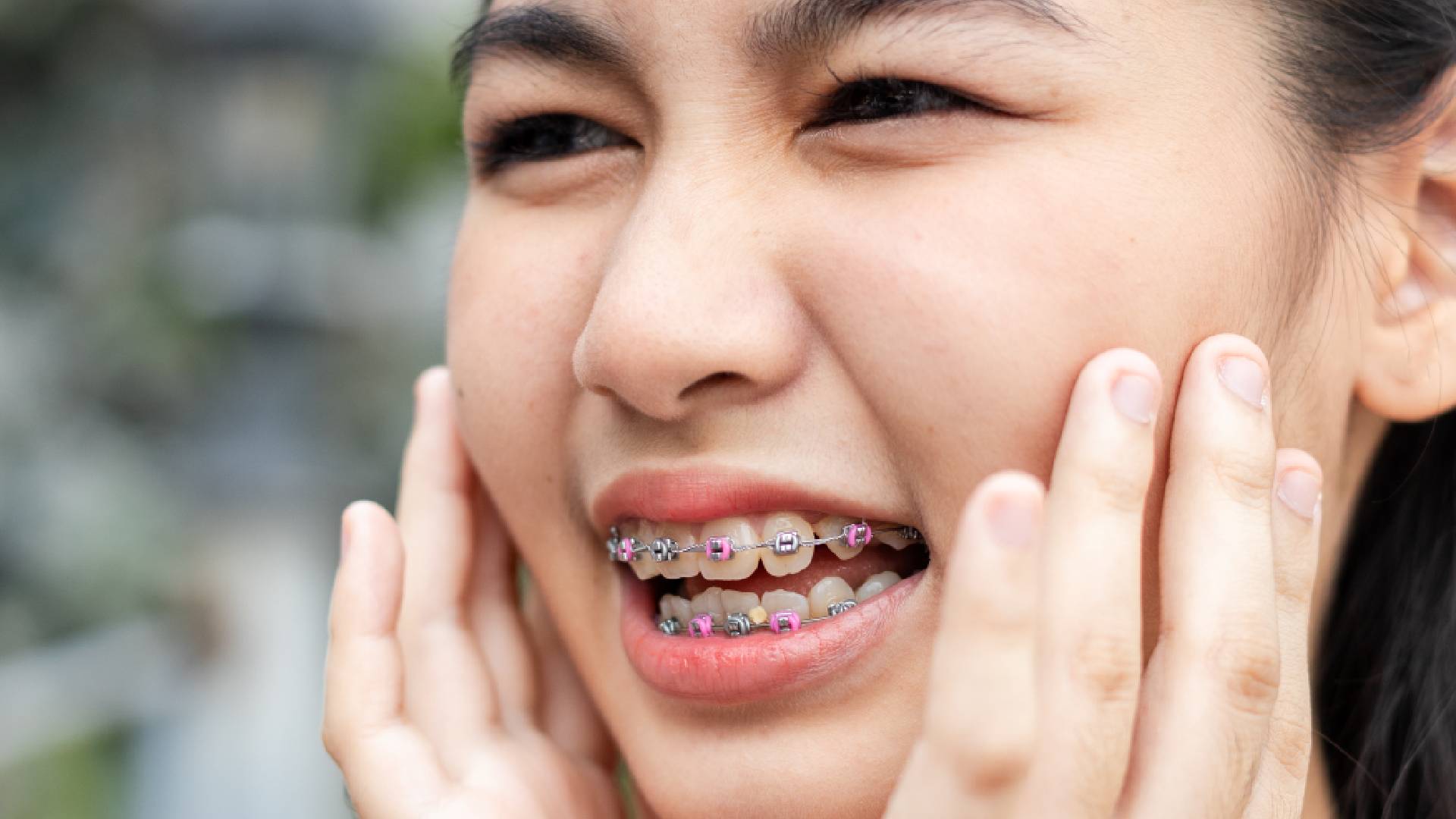
Orthodontic treatment for crowding can help you overcome overcrowded teeth, restore proper jaw alignment, and achieve a balanced bite. If you notice overlapping, twisting, or shifting of your teeth, you’re likely experiencing dental crowding—a condition that not only affects your smile’s appearance but also your oral health and occlusion. At Wright Orthodontics, we specialize in corrective orthodontics and occlusal balance through proven jaw alignment orthodontics, ensuring you get personalized care tailored to your unique needs.
In this comprehensive guide, you’ll learn what causes crowding, how severity is assessed, and which interventions—from early treatment in children to advanced procedures in adults—will work best for you. We’ll also explore options for addressing related bite irregularities such as overbite, underbite, open bite, crossbite, and deep bite, positioning you to make an informed decision about your orthodontic journey.
Understanding dental crowding
What is crowding?
Dental crowding occurs when your jaw lacks sufficient space for all your teeth to align properly. As a result, teeth may overlap, rotate, or shift out of position [1]. Crowding can range from mild, involving only a few teeth, to severe, affecting entire dental arches.
Common causes
- Genetics, including jaw size and tooth size mismatch
- Delayed or premature loss of baby teeth
- Habits such as thumb sucking or dental trauma
- Jaw growth issues during childhood
- Wisdom tooth eruption adding pressure to existing teeth
Impact on oral health
Crowded teeth create tight spaces that are hard to clean, increasing plaque buildup and risk of cavities or gingivitis. Misalignment can strain jaw muscles, alter chewing patterns, and even affect speech. Correcting crowding improves not only aesthetics but also long-term oral health and functional occlusion.
Assessing crowding severity
Mild, moderate, severe
Orthodontists categorize crowding by measuring how much overlap exists between teeth:
- Mild: less than 4 mm of crowding per arch
- Moderate: 4–8 mm of crowding per arch
- Severe: more than 8 mm of crowding per arch
Diagnostic tools
To evaluate your crowding severity, your orthodontist will use:
- Clinical examination and bite analysis
- Digital x-rays or CBCT scans to assess bone structure
- Impressions or digital scans to create study models
- Photographs and facial analysis for occlusal relationship evaluation
Accurate diagnosis guides your treatment plan, determining whether you need simple alignment solutions or more advanced corrective procedures.
Early intervention orthodontics
Phase 1 vs phase 2 treatment
Early intervention orthodontics focuses on children ages 6–10 when both baby and permanent teeth are present. Phase 1 aims to correct jaw growth issues and make space for incoming teeth, potentially reducing complexity of later treatment. Interventions may include:
- Palatal expanders to widen the upper jaw
- Space maintainers after premature baby tooth loss
- Partial braces or aligners for front-tooth alignment
Once all permanent teeth erupt (ages 11–14), Phase 2 treatment finalizes alignment and bite correction [2]. Not all children require both phases; mild cases may proceed directly to Phase 2, while severe jaw discrepancies benefit from early growth guidance.
For more on tailored pediatric care, explore our early intervention orthodontics and growth guidance orthodontic treatment services.
Palatal expanders
A palatal expander gradually widens the upper jaw by applying gentle pressure at the mid-palatal suture. Typically worn 9–12 months, it can prevent adult crowding when used while baby teeth remain [3]. To learn more about the device, see our palatal expander device page.
Exploring treatment options
Traditional braces
Metal braces remain a time-tested solution for mild to severe crowding. Brackets and wires apply controlled forces to reposition teeth over time, with adjustments every 4–8 weeks [4]. Benefits include:
- Effective control for complex movements
- Suitability for all age groups
- Compatibility with auxiliary appliances when needed
You’ll wear braces for 12–30 months depending on severity. After active treatment, retainers maintain your new alignment. For more on bite refinement with braces, visit our bite correction with braces resource.
Ceramic braces
Ceramic braces work like metal braces but use tooth-colored or clear brackets for a less noticeable appearance. They’re popular among adults and teens who want discreet correction without sacrificing effectiveness.
Clear aligners
Clear aligners, such as Invisalign®, offer a removable and nearly invisible option for mild to moderate crowding. You’ll switch trays every 1–2 weeks and wear them at least 22 hours per day for optimal results [5]. Advantages include:
- Easy removal for eating and cleaning
- Digital treatment planning for precise movements
- Shorter appointments with fewer adjustments
However, aligners require strict compliance. Lost or damaged trays can delay progress [6].
Comparing braces and aligners
Effectiveness and treatment time
A systematic review found both clear aligners and fixed braces are effective in treating malocclusion, with no significant difference in overall outcomes [7]. Aligners showed a shorter treatment duration by an average of 6 months in non-extraction cases, though relapse rates post-treatment were higher.
Comfort and aesthetics
- Braces: require careful hygiene around brackets and wires, may cause minor irritation
- Aligners: smoother surface, easier cleaning, near-invisibility
Lifestyle factors
- Braces: limited food choices, more frequent office visits
- Aligners: removable for meals, travel-friendly, planning ahead prevents forgotten trays
Your orthodontist at Wright Orthodontics will help you balance these factors to select the best option for your lifestyle and crowding severity.
Implementing advanced procedures
Interproximal reduction
Interproximal reduction (IPR) gently removes small amounts of enamel between teeth to create space for alignment. Often used with braces or clear aligners, IPR can address mild to moderate crowding without extractions [1].
Tooth extractions
In cases of severe crowding, your orthodontist may recommend removing one or more teeth to make room. After extraction, braces or aligners reposition the remaining teeth into proper alignment [8].
Surgical options
For complex skeletal discrepancies, orthognathic surgery can correct jaw alignment and create adequate space. You may be referred to a specialist for skeletal jaw discrepancy treatment when non-surgical approaches aren’t sufficient.
Addressing bite irregularities
Even after clearing crowding, you might need specialized correction for bite issues. Wright Orthodontics combines corrective orthodontics and occlusal balance techniques to treat:
Overbite correction
Excessive vertical overlap of the front teeth is corrected with braces, elastics, or functional appliances. Explore our overbite correction braces for detailed protocols.
Underbite treatment
When lower teeth protrude past upper teeth, reversing the bite often requires elastics, reverse-pull headgear, or surgery. Learn more in our underbite correction treatment guide.
Crossbite and open bite
- Crossbite: upper teeth sit inside lower teeth, corrected with expanders or braces [9]
- Open bite: front teeth do not touch when you bite, treated with braces, aligners, or habit-breaking appliances [10]
Deep bite adjustment
Excessive overlap of front teeth can strain gums and jaws. Treatment options include braces with bite plates or clear aligners. See our deep bite correction braces for more information.
Throughout your treatment, we may integrate functional orthodontic appliances and occlusal adjustment therapy to ensure a stable, balanced bite.
Maintaining your alignment
Retainers and stability
Once active treatment ends, retainers serve as an “insurance policy” for your new smile. You’ll wear fixed or removable retainers to prevent relapse, often full-time initially, then nightly long term [8].
Oral hygiene tips
- Brush twice daily with a fluoride toothpaste
- Floss or use interdental brushes to clean between teeth
- Rinse with antimicrobial mouthwash to control plaque
- Attend regular dental cleanings and checkups
Follow-up care
Schedule periodic visits at Wright Orthodontics for retainer checks, occlusion assessments, and minor adjustments. Ongoing monitoring helps preserve your alignment and bite health for years to come.
With a clear understanding of orthodontic treatment for crowding and related bite irregularities, you’re well equipped to embark on your path to a healthy, confident smile. Contact Wright Orthodontics today to schedule your consultation and learn which proven approach is right for you.


