
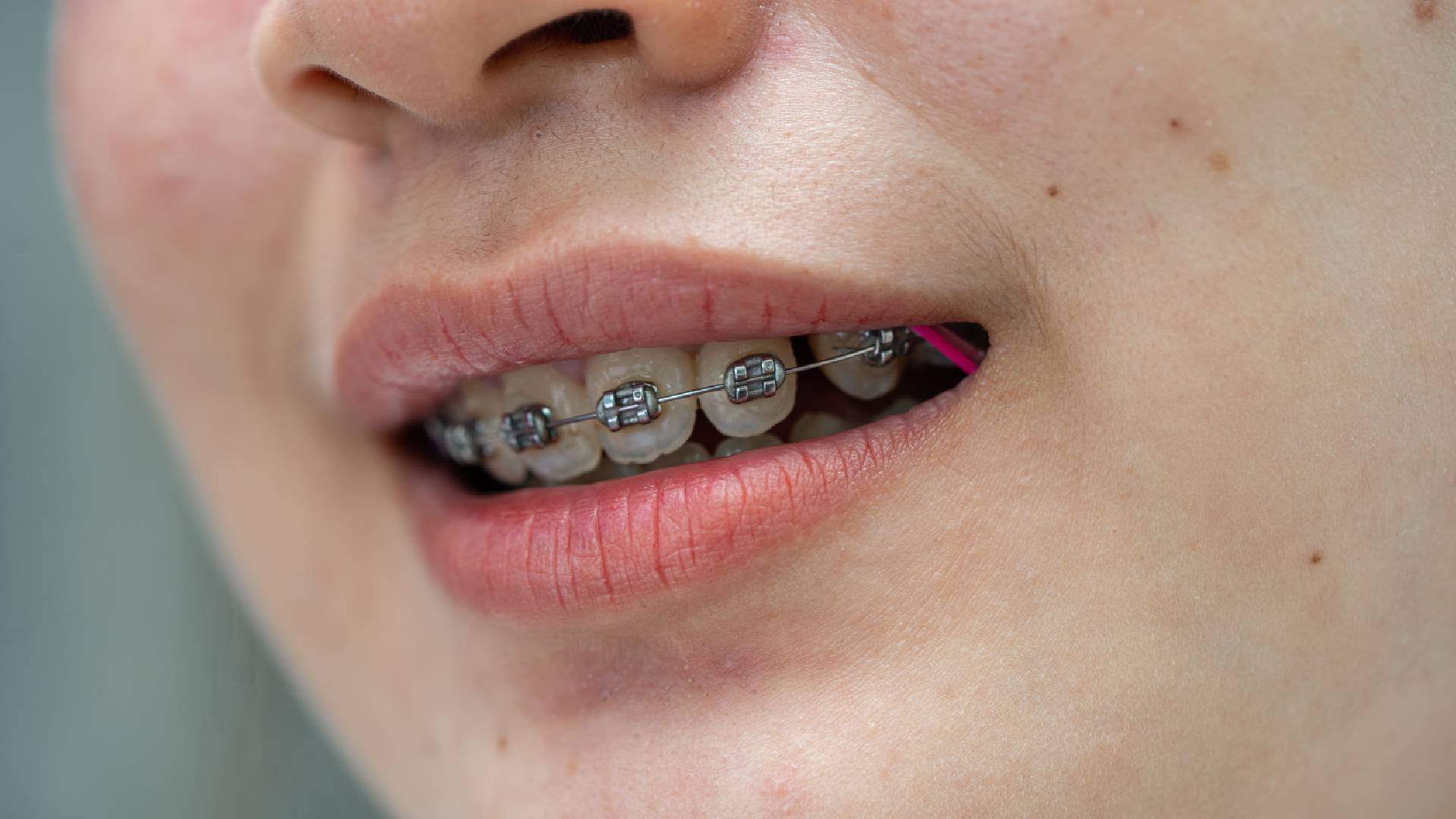
When you explore orthodontic corrective procedures, you address misaligned teeth and jaw irregularities that affect your bite, smile, and oral health. At Wright Orthodontics, we specialize in jaw alignment and occlusion balance so you can enjoy proper function and lasting confidence. Whether you’re coping with an overbite, crossbite, or spacing issues, modern treatments—from traditional braces to clear aligners and surgical options—offer clear solutions tailored to your needs.
Common bite irregularities
Recognizing your specific malocclusion is the first step toward choosing the right corrective path. Bite irregularities often involve jaw positioning, tooth spacing, or both. Here are the most frequent concerns you may encounter.
Overbite
An overbite occurs when your upper front teeth significantly overlap the lower ones. This can lead to tooth wear, gum irritation, and jaw discomfort. Correcting an overbite typically involves braces or clear aligners combined with elastics to gradually shift your teeth and jaw into proper alignment. You can learn more about dedicated treatments in our overbite correction braces guide.
Underbite
If your lower teeth sit ahead of the upper row, you have an underbite. This condition may cause chewing difficulties and uneven enamel wear. Your treatment options range from traditional braces to surgical intervention in severe cases. Explore tailored strategies in our underbite correction treatment overview.
Crossbite
A crossbite happens when one or more upper teeth bite inside the lower arch. This can affect a single tooth or an entire side of your mouth, leading to asymmetrical jaw growth and worn enamel. Correcting a crossbite often involves expansion appliances or braces. Find out how we manage this at Wright Orthodontics in our crossbite orthodontic correction resource.
Open bite
Open bite appears when your front or back teeth do not meet when your jaws are closed. This gap can interfere with speech and chewing. We often combine braces with habit-breaking appliances or bite-blocks to guide eruption and close the space. For detailed options, see our open bite braces treatment.
Spacing and crowding
Excess gaps or overcrowded teeth not only affect your smile’s appearance but also trap food and plaque. Spacing issues may require brackets, clear aligners, or minimal intervention with orthodontic spacer placement. Crowding often calls for expansion or interproximal reduction alongside your chosen bracket system. Discover your path in orthodontic treatment for spacing and orthodontic treatment for crowding.
Traditional braces options
Braces remain a reliable method for correcting malocclusion, offering precise control over tooth movement. At Wright Orthodontics, we tailor your bracket and wire system to your lifestyle and treatment goals.
Metal braces
Metal braces use stainless steel brackets, archwires, and elastic O-rings to apply consistent pressure over time. You’ll visit regularly for adjustments, during which your orthodontist tightens or swaps wires to maintain optimal force. Treatment spans 1–3 years on average, depending on the complexity of your case [1].
Ceramic braces
Ceramic braces function like metal ones but feature tooth-colored brackets for a more discreet appearance. They may be slightly more fragile and prone to staining, but they offer the same reliable results, especially suited for adult patients seeking a subtler look.
Lingual braces
Placed behind your teeth, lingual braces are virtually invisible from the outside. They correct the same range of issues as traditional brackets but require specialized training to adjust. Lingual braces can be ideal if aesthetics are your top priority.
Comparing bracket types
| Bracket type | Visibility | Durability | Average cost |
|---|---|---|---|
| Metal braces | High | Very durable | $2,500–$10,000 |
| Ceramic braces | Medium (tooth-color) | Moderate | $3,500–$8,000 |
| Lingual braces | Low (behind teeth) | Moderate | $5,000–$13,000 |
(Costs as of 2024, CareCredit)
Clear aligner treatments
If removable, low-profile solutions appeal to you, clear aligners such as Invisalign® offer an effective alternative to braces. These custom-made trays sit over your teeth, applying gentle force to shift them into place.
Invisalign aligners
Your Invisalign journey begins with a consultation, where we assess your smile and bite. Using x-rays, photographs, and digital impressions, our team creates a 3D ClinCheck® model that maps each stage of movement. You’ll wear each aligner for about two weeks, removing them only to eat and brush. Treatment typically lasts 12–18 months, with refinements available at no extra charge if minor adjustments are needed [2].
Aligner maintenance and refinements
Success hinges on compliance—wear your aligners at least 22 hours per day to stay on schedule. After finishing your trays, you’ll transition to retainers such as Invisalign’s Vivera® or custom-wired appliances to preserve your results long term.
Clear aligner comparison
| Feature | Invisalign® | ClearCorrect® | Reveal® |
|---|---|---|---|
| Material | SmartTrack™ | Proprietary plastic | Proprietary plastic |
| Wear time | ≥22 hours/day | ≥22 hours/day | ≥22 hours/day |
| Typical duration | 12–18 months | 12–18 months | 14–20 months |
| Refinement included | Yes | Varies by provider | Varies by provider |
Growth guidance appliances
For children or teens with developing jaws, interceptive and functional devices can steer bone growth and prevent severe misalignment later on.
Palatal expanders
A palatal expander device fits on your upper teeth to widen the roof of your mouth gradually. By turning a central screw, you create space for crowded teeth and correct crossbites. Treatment usually takes 6–12 months, often during mixed dentition [3].
Functional orthodontic appliances
Devices such as twin blocks or Herbst appliances posture the lower jaw forward, addressing Class II underbite tendencies and improving facial balance. These functional-orthodontic-appliances harness muscle forces to guide jaw growth, typically worn 12–18 months.
If you have a significant jaw discrepancy, we may recommend growth-guidance-orthodontic-treatment or skeletal-jaw-discrepancy-treatment to combine appliances with braces for comprehensive correction.
Surgical orthodontic procedures
When tooth movement alone cannot correct severe jaw misalignment, surgical intervention becomes part of your treatment plan. This approach, known as surgical orthodontics, merges orthodontic therapy with orthognathic surgery.
When surgery is needed
You might require surgery if you have:
- Pronounced overbite or underbite
- Facial asymmetry unresponsive to braces [4]
- Skeletal irregularities affecting chewing or breathing
Surgery can reposition your upper jaw, lower jaw, or both to establish proper occlusion and facial harmony.
Treatment phases
- Pre-surgical orthodontics
- Braces or aligners align your teeth in preparation for surgery
- Orthognathic surgery
- Performed under general anesthesia, lasting a few hours [5]
- Post-surgical orthodontics
- Finalize tooth position and fine-tune your bite over several months
Overall treatment spans 18–24 months from start to finish and requires close collaboration between your orthodontist and oral surgeon.
Recovery and aftercare
Expect swelling and discomfort peaking around day three, then gradually fading over one to two weeks. You’ll follow a soft-food diet, apply ice packs, and avoid strenuous activity for 48–72 hours to support healing. Orthodontic adjustments continue afterward to perfect your occlusion and smile.
Retention and long-term care
After your teeth reach their ideal position, retainers become essential. Without them, your teeth may drift back toward their original alignment. Options include:
- Removable clear retainers (e.g., Vivera®)
- Fixed bonded wires behind your teeth
We also offer occlusal adjustment therapy and bite-balancing-orthodontics to fine-tune how your teeth fit together and prolong your results.
Choosing your orthodontic procedure
Selecting the right orthodontic corrective procedures depends on your age, bite irregularity, cosmetic preferences, and lifestyle. At Wright Orthodontics, we conduct a comprehensive evaluation—including digital scans, x-rays, and clinical exams—to design a personalized plan. Our team will discuss:
- The most suitable appliance (braces, aligners, or functional devices)
- Expected treatment timeline
- Financial options and insurance coverage
- Coordination with oral surgery if needed
By partnering with you every step of the way, we ensure your orthodontic journey is efficient, comfortable, and tailored to your goals. To start, schedule a consultation today and take the first step toward a balanced bite and confident smile.


