
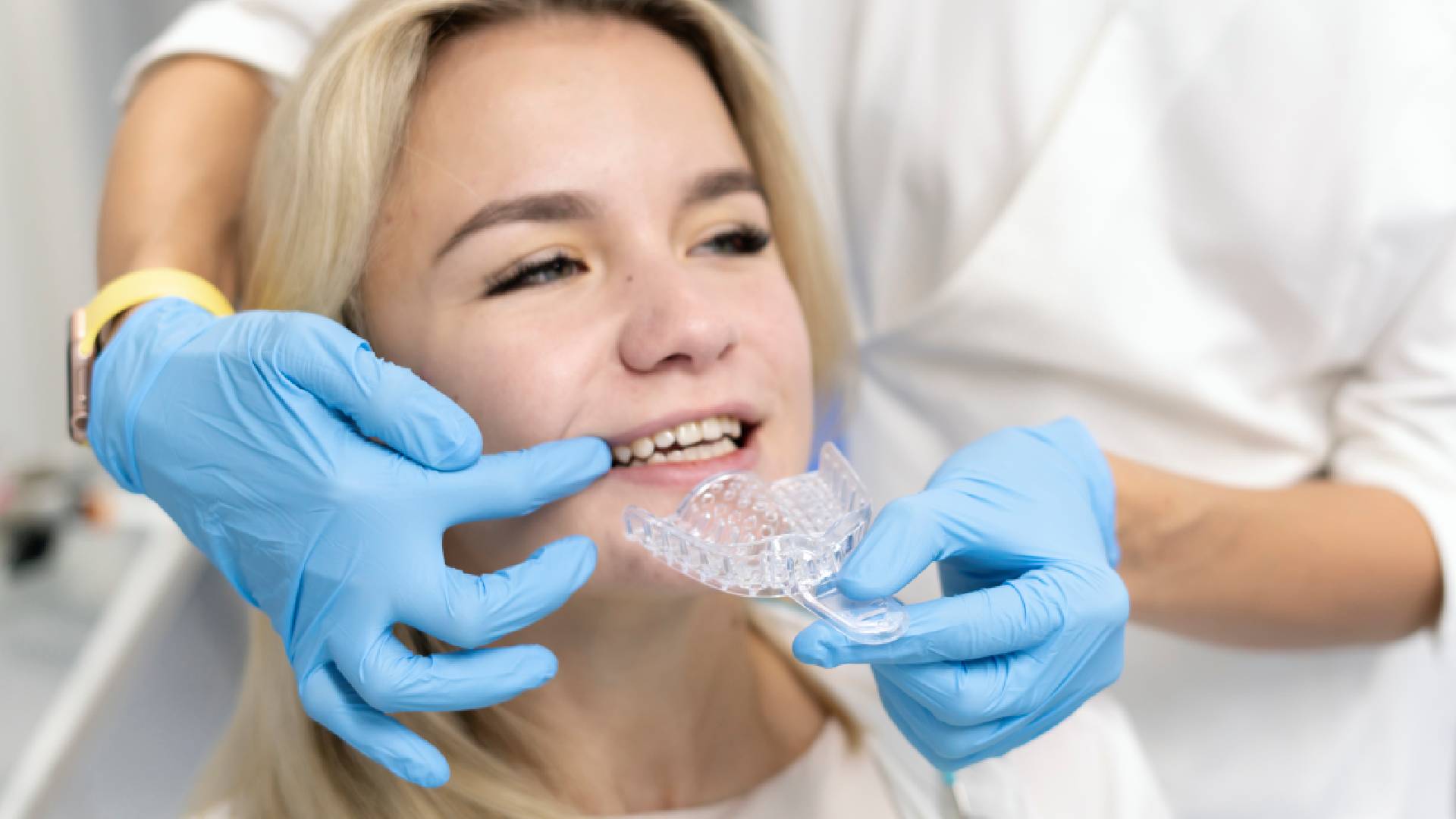
Understanding Orthodontic Insurance
Navigating orthodontic insurance can be vital in helping you manage the costs associated with braces and clear aligners like Invisalign. Understanding the coverage offered can alleviate some financial stress and ensure your child receives the appropriate treatment.
Coverage for Orthodontic Services
Orthodontic services may include a range of options such as traditional braces, clear braces with clear brackets, clear aligners like Invisalign, and retainers for post-braces care (Cigna). Many dental insurance plans include specific provisions for orthodontic treatment, but it’s important to be aware of potential limits or exclusions.
Insurance plans often set maximum limits or caps on how much can be spent on orthodontic services. For example, they might have a yearly cap or a lifetime maximum for all orthodontic treatment. Be sure to review your plan details carefully to understand what is fully covered and what additional costs you may encounter.
| Type of Orthodontic Service | Typical Coverage Range |
|---|---|
| Traditional Braces | Up to 50-100% of cost |
| Clear Braces | Up to 50-100% of cost |
| Clear Aligners (like Invisalign) | Variable, typically 20-50% of cost |
| Retainers | Often covered, check plan details |
Cigna Dental Insurance Plans
Many Cigna Dental plans cover Invisalign as part of their orthodontic benefits, offering coverage for both teens and adults (Elate Orthodontics). It’s crucial to ascertain your specific plan type, as coverage for these treatments can vary significantly.
Cigna typically provides more comprehensive orthodontic benefits for children than for adults. This means if you are considering Cigna Dental Invisalign treatment for teens, your teen may benefit from a higher percentage of coverage compared to adult treatments, which may come with additional out-of-pocket expenses.
For detailed insights into Cigna’s coverage, including any potential limitations or requirements such as waiting periods, refer to the Cigna Invisalign coverage explained. This will help you visualize how the insurance can work in your favor when planning for your child’s orthodontic care.
Choosing Between Braces and Aligners
Choosing the right orthodontic treatment for you or your child can feel overwhelming. Both braces and clear aligners, like Cigna dental Invisalign treatment for teens, have their own unique advantages and considerations. Understanding these differences can help you make an informed decision.
Considerations for Kids
When it comes to children, age and developmental stage play a significant role in determining the best orthodontic option. Orthodontists commonly treat kids for various teeth and alignment issues, ensuring healthy oral development.
- Early Treatment: Some children may benefit from early intervention, especially if their dentist identifies potential alignment issues. Braces can often address these issues effectively.
- Compliance with Treatment: For kids, braces may be a better option than clear aligners, as they do not require the same level of patient compliance. Aligners must be worn for the majority of the day, which can be challenging for younger kids.
- Cigna Coverage: Many Cigna Dental plans offer comprehensive orthodontic coverage for children, including braces and Invisalign. Specific coverage details depend on the individual plan and may influence your decision.
| Treatment Option | Advantages | Disadvantages |
|---|---|---|
| Braces | Effective for complex alignment issues | Less aesthetic appeal |
| Aligners | Clear and removable | Requires responsibility in wear time |
Considerations for Adults
Adults seeking orthodontic treatment often prioritize aesthetics and convenience.
- Discreet Options: Clear aligners provide a discreet option, appealing to adults who may be self-conscious about wearing traditional braces.
- Flexibility: Aligners can be removed for eating and cleaning, making them more convenient for adult lifestyles. However, they do require commitment to wear them for at least 22 hours a day.
- Coverage Limitations: While many Cigna Dental plans cover orthodontic treatments for adults, the coverage may be more limited and could involve higher out-of-pocket expenses compared to children’s coverage.
| Treatment Option | Advantages | Disadvantages |
|---|---|---|
| Braces | Can correct severe alignment issues | Can cause discomfort |
| Aligners | Comfortable and removable | May not be suitable for all complex orthodontic cases |
When comparing braces and aligners for either kids or adults, it’s essential to consider individual preferences, lifestyle, and specific oral health needs. For more information on plans that may cover these options, check out our articles about insurance accepted for teen invisalign and Cigna invisalign coverage explained. Exploring these factors will aid in making a well-rounded decision for orthodontic care.
Financial Aspects of Orthodontic Treatments
Understanding the financial implications of orthodontic treatments is essential when choosing between braces and clear aligners. This section outlines the cost comparison and insurance coverage for these two options to help you make an informed decision.
Cost of Braces vs. Aligners
The cost of orthodontic treatments can vary significantly between braces and aligners. Below is a comparative analysis of the expenses associated with each option:
| Treatment Type | Cost Range |
|---|---|
| Traditional Braces | $2,500 – $7,500 |
| Invisalign | $3,000 – $8,000 |
Invisalign is often considered to be more discreet and comfortable compared to traditional braces. It’s important to note that these prices may vary based on factors such as the complexity of the case, location, and the number of aligners needed. Flexible payment plans or financing options are usually available to make the treatment more manageable (Diamond Braces).
Insurance Coverage for Invisalign
When considering the costs involved, it is beneficial to understand how insurance coverage may apply to Invisalign treatment. Many dental insurance plans provide orthodontic benefits that typically cover a portion of the costs for both braces and aligners.
Common features of insurance coverage include:
- A percentage of the treatment cost or a fixed dollar amount
- Lifetime maximums, often ranging from $1,000 to $3,000
- Plans such as Delta Dental and Cigna may cover a portion of Invisalign costs (Diamond Braces)
For more specific details related to your insurance, it may be beneficial to consult directly with your provider. You can also explore options such as insurance that covers Invisalign treatment and how specific providers handle coverage (cigna invisalign coverage explained). This will help you assess your potential out-of-pocket expenses more accurately and ensure you choose the right treatment for your needs.
Evaluating Orthodontic Options
When considering orthodontic treatments, it’s important to compare the effectiveness of braces and clear aligners. Each option has unique advantages that may cater to different needs and preferences.
Effectiveness of Braces
Braces have been a traditional orthodontic solution for decades and remain highly effective for a wide range of dental issues. They can effectively address complex alignment problems, such as severe crowding, spacing issues, and bite misalignments. The brackets and wires apply continuous pressure to the teeth, gradually shifting them into the desired position.
| Type of Issue | Effectiveness of Braces |
|---|---|
| Severe crowding | High |
| Spacing problems | High |
| Overbite/Underbite | High |
| Mild alignment issues | Moderate |
Braces are usually able to provide precise control over tooth movement. Because they are firmly attached to the teeth, they can be particularly effective for younger patients whose jaws are still developing. Orthodontists recommend braces for children and adolescents to correct alignment issues as their permanent teeth emerge Cigna.
Effectiveness of Clear Aligners
Clear aligners, such as Invisalign, have gained popularity for their aesthetic appeal and convenience. They are designed to treat mild to moderate alignment issues. The aligners are custom-made to fit snugly over your teeth and are typically changed every few weeks to facilitate gradual movement.
| Type of Issue | Effectiveness of Clear Aligners |
|---|---|
| Severe crowding | Moderate |
| Spacing problems | Moderate |
| Overbite/Underbite | Low to Moderate |
| Mild alignment issues | High |
Clear aligners are often preferred for their removability, allowing patients to maintain better oral hygiene. However, they may not be suitable for more complex orthodontic cases, where braces might be necessary. The effectiveness of clear aligners can depend significantly on patient compliance with wearing them as directed—ideally, 20 to 22 hours per day.
Both braces and aligners have their unique advantages and limitations. To evaluate the most suitable option, consider factors such as the severity of the dental issue, age, lifestyle preferences, and treatment goals. If you are considering orthodontics for your teen, you may also find it helpful to explore Cigna dental Invisalign treatment for teens.
Long-Term Considerations
When choosing between braces and aligners, it is essential to consider the long-term maintenance required for each option. Maintenance affects overall treatment satisfaction and the health of your teeth and gums.
Maintenance with Braces
Braces require regular maintenance and attention throughout the duration of treatment. Here are some of the key maintenance aspects:
| Aspect | Description |
|---|---|
| Regular Adjustments | You will need to visit your orthodontist every 4-6 weeks for adjustments to ensure progress. |
| Oral Hygiene | Brushing and flossing can be more challenging, as food can get trapped in the brackets and wires. It is crucial to follow a meticulous oral hygiene routine to prevent cavities and gum disease. |
| Diet Restrictions | Patients should avoid hard, sticky, or chewy foods that may damage the braces. |
| Long-Term Retainers | After braces are removed, wearing a retainer is necessary to maintain the new alignment. Compliance is vital to avoid shifting. |
Maintenance with Aligners
Clear aligners, such as Cigna Dental Invisalign treatment for teens, present a different maintenance approach which may make them more convenient. Here’s what to consider:
| Aspect | Description |
|---|---|
| Changing Aligners | You will receive a series of aligners that need to be changed every 1-2 weeks, depending on your orthodontist’s instructions. |
| Removability | Aligners can be removed during meals and while brushing, making oral hygiene significantly easier compared to braces. This helps in preventing dental issues. |
| Diet Flexibility | Since aligners are removed during eating, there are no food restrictions, allowing for a normal diet. |
| Long-Term Retainers | Like braces, retainers are also necessary after completing aligner treatment to keep teeth from shifting. Regular check-ins with your orthodontist will be needed to monitor progress. |
Both braces and aligners require a commitment to maintaining oral health. Ensure that you are willing to adhere to your orthodontist’s guidelines throughout the treatment process. Whichever option you choose, it’s important to understand how maintenance may impact your or your child’s dental health in the long term. For more insights about the financial aspects and coverage options for Invisalign, see the relevant sections in this article.
Lifestyle Factors Impacting Choice
When you are considering orthodontic options such as braces or aligners, lifestyle factors play a significant role in your decision. Understanding the convenience of each option can help you choose the best treatment for you or your child.
Convenience of Braces
Traditional braces are effective in straightening teeth, but they come with several lifestyle considerations. Once they are placed, braces require regular adjustments, which may involve visits to the orthodontist every 4-8 weeks. This might require taking time out of your schedule, which can be challenging for busy families or individuals.
Additionally, braces can be restrictive regarding diet. Certain foods, such as popcorn, hard candies, and sticky sweets, may need to be avoided to prevent damage to the braces. Oral hygiene can also be more complicated, as brushing and flossing require special techniques and tools to ensure that food particles do not get trapped, which could lead to dental issues.
Convenience of Aligners
In contrast, aligners like Invisalign offer a more flexible approach to teeth straightening. They are removable, which means that you can take them out for meals and when brushing your teeth, making it easier to maintain oral hygiene. This can be particularly beneficial for teens who may be more particular about their food choices and personal care.
The convenience of aligners also extends to fewer orthodontic visits. Most treatment plans include fewer in-office check-ups compared to braces, allowing for a more streamlined experience. Aligners are generally considered more discreet and comfortable, which can be appealing for both teens and adults who prefer an unobtrusive option.
The cost of Invisalign typically ranges from $3,000 to $8,000, whereas traditional metal braces usually range between $2,500 and $7,500 (Diamond Braces). You will want to consider your budget, as well as the potential insurance coverage available for either option, to make a decision that best fits your lifestyle needs.
By evaluating the convenience factors associated with both braces and aligners, you can make an informed choice that aligns with your or your child’s daily routine. For further insights on how insurance plans, like Cigna dental Invisalign treatment for teens, can influence your decisions, check our detailed guides on various coverage options.


