
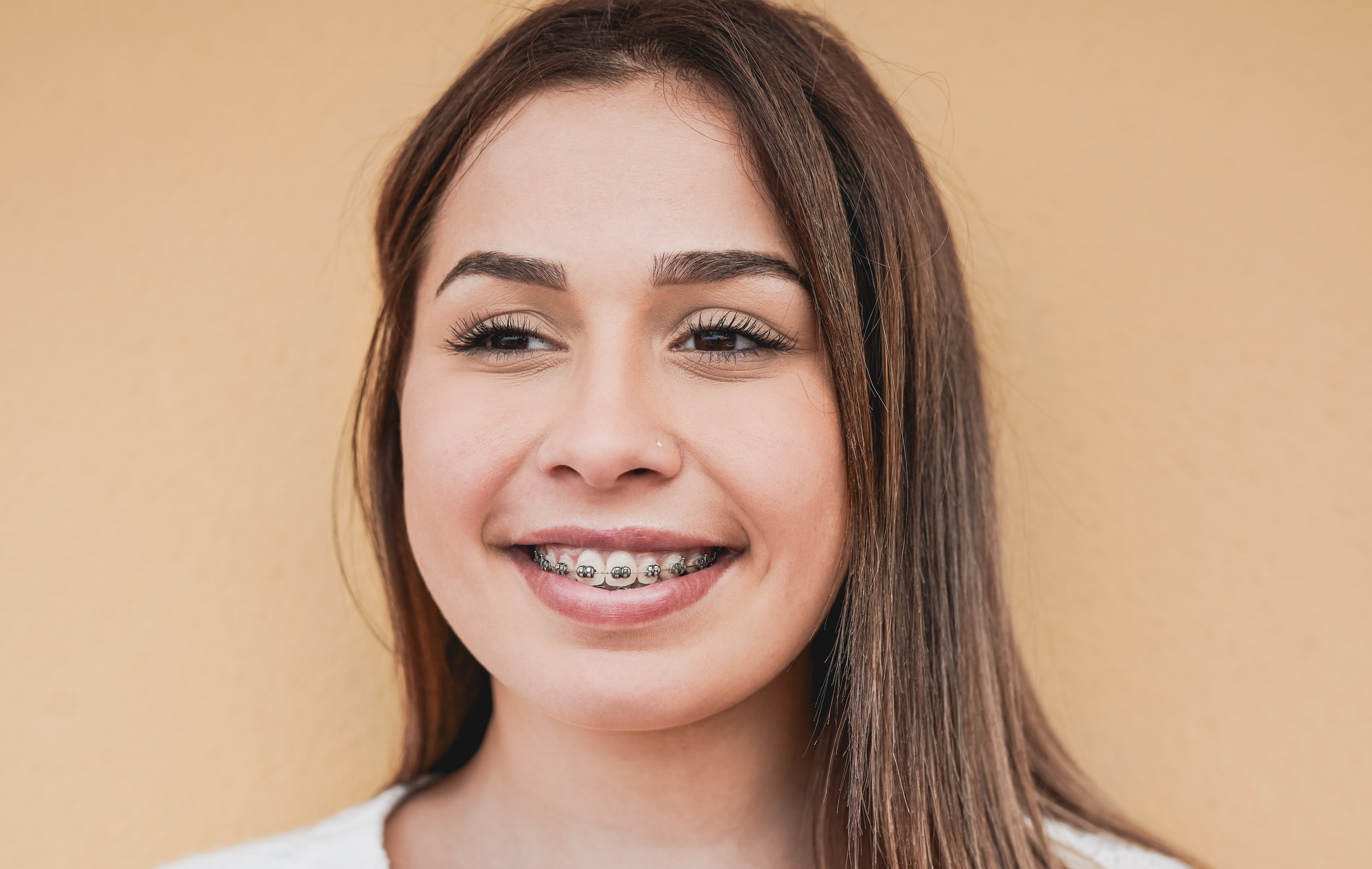
Braces for Adults
Understanding the financial aspects and insurance coverage for adult braces is essential for individuals considering orthodontic treatment. This section outlines the cost considerations and insurance aspects related to adult braces.
Cost Considerations
The cost of braces for adults can vary significantly based on the type chosen and individual dental needs. On average, adults can expect to spend between $2,500 and $7,500 for traditional options, with prices often reaching $5,000 to over $7,000 depending on additional factors such as the complexity of the case and the specific orthodontist providing treatment.
| Type of Braces | Estimated Cost |
|---|---|
| Traditional Braces | $2,500 – $7,500 |
| Lingual Braces | $5,000 – $12,000 |
| Clear Aligners | $3,000 – $8,000 |
These costs typically include adjustments, initial consultations, and sometimes retainers. It is advisable for patients to confirm the full details of their orthodontic treatment cost during the consultation phase.
Many adults may require braces for reasons beyond aesthetics, such as improving chewing function or preventing dental issues. Dental insurance may cover part of the expenses, particularly for those needing braces for functional reasons. It’s essential for individuals to verify their coverage details with their insurance provider.
Insurance Coverage
Insurance coverage for adult braces varies significantly among plans. Many dental insurance policies do offer some level of coverage for orthodontic treatments, including braces. Checking with the insurance company is crucial to ascertain what specific orthodontics coverage is included in their plan.
If a dental plan covers braces, the orthodontist will likely work with the insurance provider to ensure that costs are minimized for the patient. Patients may find themselves eligible for coverage through major providers such as UHC, Delta Dental, or Aetna.
For those without dental coverage, alternative financing options such as payment plans through medical lending companies may be available. Understanding these financial considerations helps in making informed decisions about orthodontic treatment.
When evaluating options for adult braces, it’s crucial to coincide financial planning with chosen treatments and insurance coverage to achieve a satisfactory outcome. This enables patients to feel confident in their decisions while also ensuring they maintain budgetary control throughout their orthodontic journey.
Types of Braces for Adults
When considering orthodontics for adults, it is essential to understand the various types of braces available. Each type has its unique advantages and caters to different preferences and requirements.
Traditional Braces
Traditional braces consist of metal brackets and wires that are used to align and straighten teeth. They are a popular choice due to their effectiveness and relatively lower cost compared to other options. The average cost for traditional braces ranges from $2,500 to $7,500, depending on individual treatment needs and insurance coverage.
| Feature | Details |
|---|---|
| Material | Metal brackets and wires |
| Cost Range | $2,500 – $7,500 |
| Considerations | Highly effective for severe corrections; visible |
Traditional braces are suitable for a range of orthodontic issues and are often in-network with major insurance providers, making them an accessible option for many adults looking for adult braces in-network with UHC.
Lingual Braces
Lingual braces operate similarly to traditional braces but are placed on the back of the teeth, making them virtually invisible from the front. They offer an aesthetic option for adults who may feel self-conscious about the visibility of conventional braces. However, they tend to be pricier than traditional braces.
| Feature | Details |
|---|---|
| Material | Metal brackets placed behind teeth |
| Cost Range | Higher than traditional braces |
| Considerations | Discreet; can be more uncomfortable; may require special cleaning |
Lingual braces can be a great choice for individuals seeking a less noticeable orthodontic solution. As with all orthodontic options, it’s essential to consult with an orthodontist to determine the right fit based on personal preferences and financial considerations.
Clear Aligners
Clear aligners, such as Invisalign, are a modern alternative to traditional braces. These custom-made, transparent trays gradually shift teeth into alignment. Many adults prefer clear aligners for their convenience and discreet appearance.
| Feature | Details |
|---|---|
| Material | Clear, flexible plastic trays |
| Cost Range | Similar to traditional braces ($2,500 – $7,500) |
| Considerations | Removable for eating and cleaning; requires discipline to wear 20-22 hours daily |
Clear aligners offer the advantage of minimal visibility and the flexibility to remove them while eating and brushing. Adults interested in this option can explore various clear braces options for adults with insurance to find the best coverage available.
When evaluating the types of braces, it’s crucial to consider individual lifestyle, treatment needs, and financial factors. An informed decision can lead to a successful and satisfying orthodontic experience.
Adult Braces Timing
Understanding the timing of orthodontic treatment is crucial for individuals considering braces. This section explores the treatment duration and potential impacts on bone density when using braces as an adult.
Treatment Duration
For adults, the duration of wearing braces typically ranges from two to three years. This timeframe can be similar to that of children. However, it is important to note that adults often experience longer treatment times due to more mature bone density compared to children (The Super Dentists).
| Age Group | Average Treatment Duration |
|---|---|
| Children (Ages 7-18) | 2 years |
| Adults (Ages 25-55) | 2-3 years |
Bone Density Impact
Bone density is a significant factor in orthodontic treatment. Adults generally have denser bones, which can affect the movement of teeth. While adults possess the necessary biological maturity for braces, their established bone structure can contribute to a longer treatment process. Therefore, thoughtful consideration of timing is crucial when embarking on an orthodontic journey.
Before starting treatment, it is advisable to consult with an orthodontist about individual needs and both the expected duration of treatment and how bone density might affect progress. Many dental insurance policies cover braces for adults, but potential clients should contact their insurance providers to confirm coverage details and age limits related to braces (The Super Dentists).
By understanding treatment durations and implications of bone density on orthodontic work, adults can make informed choices about their dental health. This preparation will ensure that they choose the best path for achieving a straight and healthy smile with adult braces in-network with UHC.
Age Limits for Adult Braces
Understanding the age limits associated with adult braces can help individuals make informed decisions about their orthodontic treatment. In this section, we will explore upper age limits and health considerations that may affect the ability to receive braces.
Upper Age Limits
Adults of various ages, even those in their 70s and 80s, can wear braces as long as they are in good health. Many people might assume that braces are primarily for children and teenagers; however, orthodontic treatment is available to older adults as well. That said, some dental insurance plans impose age limits on coverage, typically around age 19, so it’s crucial to verify the specific terms of one’s insurance policy for adult braces in-network with UHC (The Super Dentists).
| Age Group | Notes |
|---|---|
| Under 19 | Typically fully covered by insurance |
| 20–39 | Coverage may continue, but check policy limits |
| 40–59 | Many providers still accept patients |
| 60 and older | Treatment possible, depending on health |
Health Considerations
While age alone does not restrict the use of braces, certain health conditions can pose challenges. Conditions such as osteoporosis and diabetes may complicate orthodontic treatment and could lead to longer healing times. It is essential for adults considering braces to consult with their orthodontist and healthcare provider to ensure they are healthy enough for such treatment.
Before undergoing braces, individuals are often advised to undergo a health assessment to determine any possible risks that could affect the efficacy of the treatment or overall health. Insurance plans may also factor in these considerations when evaluating coverage. For further insights on insurance and dental care, review our articles on orthodontic insurance coverage for adults with BCBS and dental insurance coverage for older adults’ braces.
Understanding age limits and health considerations is a vital part of the journey towards making the right decision about adult braces. Each individual’s circumstances may lead to different recommendations, so it’s best to have all necessary consultations for a personalized approach.
Choosing Between Braces and Aligners
When determining the best orthodontic treatment, individuals need to consider various factors, such as lifestyle and age. The decision between braces and clear aligners often hinges on these elements, which can greatly affect the suitability and effectiveness of the chosen method.
Lifestyle Factors
Lifestyle plays an essential role in deciding between braces and aligners.
| Factor | Braces | Clear Aligners |
|---|---|---|
| Visibility | Noticeable | Discreet |
| Maintenance | Regular adjustments required | Removable for cleaning |
| Dietary Restrictions | No specific limitations (hard foods should be avoided) | Must be removed while eating |
| Activity Level | May cause discomfort during activities | Generally more comfortable |
Braces, while effective, are more visible and can require more maintenance in terms of regular adjustments at the orthodontist. For individuals who prioritize discretion and convenience, especially for professional or social reasons, clear aligners may be more appealing. Aligners can be removed during meals, allowing for easier eating and cleaning routines.
Age Considerations
Age also influences the choice between braces and aligners. Adults often have different needs and expectations than younger patients. While adults make up about 20 percent of braces patients yearly (The Super Dentists), considerations such as health and time commitment become more significant.
For older adults, typically those in their 50s to 80s, certain health conditions may necessitate additional assessment before receiving treatment. Although adults up to 70 or 80 years old can wear braces, conditions like osteoporosis and diabetes might limit options for some patients (The Super Dentists).
Conversely, younger patients, particularly children and teenagers, may have the advantage of growing into their braces, making it a vital time for orthodontic treatment.
Understanding these lifestyle factors and age-related considerations is crucial for making an informed decision about orthodontic treatment. Those looking to explore costs and insurance coverage when considering adult braces in-network with UHC can find options that best match their needs and circumstances.
Making the Right Decision
Selecting the appropriate orthodontic treatment can be overwhelming for adults. Various factors, including consultation processes and budgeting, play a crucial role in making informed decisions. This section will outline these aspects to help in the decision-making journey.
Consultation Process
The consultation process is a vital first step when considering adult braces in-network with UHC. During the initial consultation, the orthodontist will assess the individual’s dental condition, discuss options, and create a personalized treatment plan. This may include X-rays and an evaluation of the bite and jaw alignment.
It is advisable for individuals to prepare a list of questions regarding treatment types, duration, costs, and insurance coverage. Knowing the specifics can aid in understanding what to expect and help clarify any uncertainties related to the procedure.
The orthodontist will also explain the differences between various treatments, such as traditional braces, clear aligners, and lingual braces. Understanding the implications of each option allows adults to make an informed choice based on lifestyle needs and preferences.
Budgeting and Insurance Benefits
Understanding the financial aspects is essential when choosing orthodontics. The average cost for adult braces varies, generally ranging from $2,500 to $7,500 for traditional options (The Super Dentists).
| Type of Braces | Average Cost Range |
|---|---|
| Traditional Braces | $2,500 – $7,500 |
| Lingual Braces | $5,000 – $13,000 |
| Clear Aligners | $4,000 – $8,000 |
Insurance can help offset some of these costs. Individuals should check with their insurance provider to determine if orthodontic coverage is included in their policy. Many plans will have an age limit for coverage, usually around age 19, so it’s important to verify this early in the process (The Super Dentists).
If insurance coverage exists, many providers will work with you to utilize benefits effectively. If coverage isn’t an option, various payment plans may be available through orthodontic offices and medical lending companies (Snodgrass King Dental Associates).
By understanding the consultation process and budgeting according to insurance benefits, adults can confidently choose the orthodontic treatment that best fits their needs while ensuring long-term oral health. For more information on financing options and coverage, individuals might explore adult orthodontics with delta dental coverage or affordable adult braces with delta dental.


