
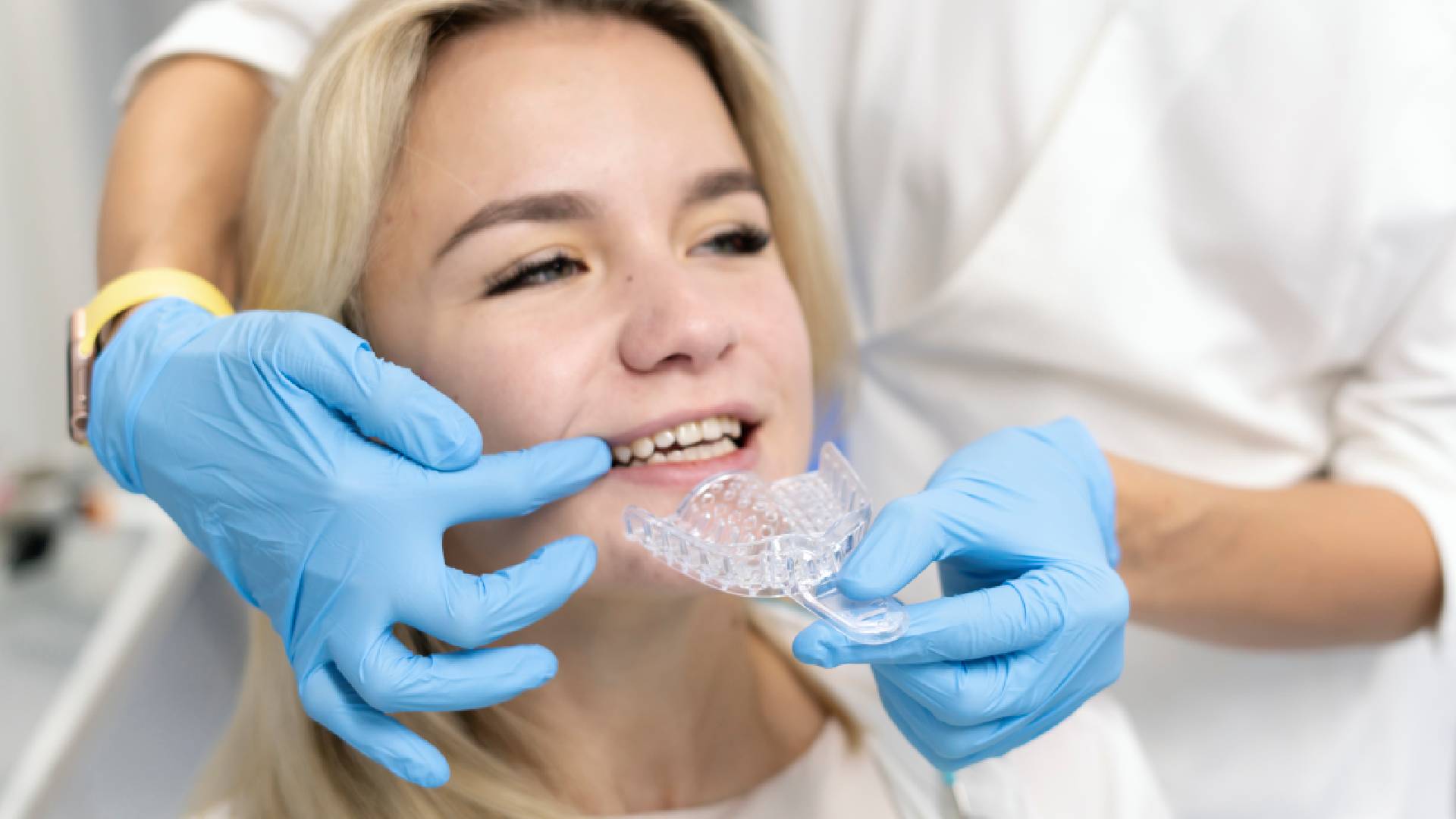
After your braces come off, you want your newly straightened smile to last. Fixed retainer bonding plays a vital role in holding teeth in position long term. By bonding a thin metal wire to the back of your front teeth, your orthodontist can prevent unwanted shifting and maintain the alignment achieved through treatment. As you explore retainer options, you’ll learn how bonding works, what to expect during placement, and how to care for your retainer.
In this guide, you will learn:
- The basics of fixed retainer design and purpose
- Key benefits of a bonded wire versus removable retainers
- Step-by-step overview of the bonding procedure
- Daily and professional maintenance tips
- Cost breakdown, insurance considerations, and payment options
- How to troubleshoot common issues
- Replacement guidelines and signs it’s time for an update
- Advice on planning a customized retention strategy with Wright Orthodontics
- Answers to frequently asked questions
With clear, detailed information, you can confidently navigate the retention phase of your orthodontic journey and protect the investment you’ve made in your smile.
Understanding fixed retainers
What is a fixed retainer
A fixed retainer, sometimes called a bonded or permanent retainer, consists of a thin metal wire custom-fitted to the shape of your teeth and bonded to the back surface of four to six front teeth. Unlike removable devices, this lingual wire stays in place until your orthodontist removes it, offering continuous support. You typically receive a fixed retainer after completing active orthodontic treatment with traditional metal braces, ceramic braces treatment, or clear aligners to preserve the results.
Purpose of bonding
The primary goal of bonding a retainer is to prevent teeth from drifting back toward their original positions. After months or years in braces or aligners, small tooth movements can occur due to natural pressures from chewing and tongue posture. By bonding a wire directly to your teeth, you eliminate the need to remember nightly retainer wear. Furthermore, a bonded retainer often provides better long-term stability, particularly on lower teeth where relapse risk is highest [1]. At Wright Orthodontics, we customize each retainer to fit your anatomy precisely, ensuring a discreet, comfortable fit hidden behind your teeth.
Exploring bonding benefits
Alignment maintenance
A bonded retainer delivers continuous support, helping you maintain the alignment achieved during active treatment. Because the wire remains in place 24/7, you avoid the risk of forgetting to wear a removable device. Many patients enjoy stable results for years—often up to 20 years with proper care [2].
Compliance and convenience
With a fixed retainer in place, you don’t need to track nightly wear or worry about misplacing your appliance. This convenience is especially helpful for busy teens and adults, or for anyone who struggles to remember removable retainer schedules. In addition, the discreet wire stays behind your teeth, so your smile looks natural at all times.
Detailing bonding procedure
Initial placement steps
- Professional cleaning: Your orthodontist will polish and dry the front surfaces of the teeth targeted for bonding.
- Etching: A mild acid solution lightly roughens the enamel, promoting strong adhesion.
- Bonding agent: A thin layer of composite resin is applied to each tooth.
- Wire placement: The custom-shaped metal wire is positioned against the resin and cured with a dental curing light.
- Finishing touches: Excess resin is smoothed, and your bite is checked to ensure comfort.
Materials and techniques
Bonded retainers typically use a multi-strand stainless steel wire for flexibility and strength. The composite resin closely matches your tooth color, making the bond virtually invisible. At Wright Orthodontics, we use high-grade materials proven to resist staining and wear, ensuring your retainer remains functional and discreet.
Follow-up checks
Regular monitoring is essential. You’ll attend orthodontic monitoring visits or include retainer checks as part of your routine orthodontic checkup services. During these visits, your orthodontist will inspect the wire for signs of wear or debonding and address any emerging issues.
Maintaining your retainer
Daily cleaning routine
- Brush around the wire at least twice a day using a soft-bristle brush.
- Floss once daily with a floss threader or water flosser to clean underneath the wire.
- Rinse with an antibacterial mouthwash to reduce plaque buildup.
For detailed guidance, refer to our orthodontic hygiene instruction resources.
Professional hygiene tips
During your regular cleaning appointments, dental hygienists will remove plaque and tartar around the bonded wire. Interdental brushes can help dislodge debris in hard-to-reach areas. Professional care reduces the risk of gum inflammation and cavities near the retainer.
Foods to avoid
To protect the bond and wire integrity, steer clear of:
- Hard candies, nuts, and ice
- Sticky sweets like caramel or taffy
- Crunchy snacks such as popcorn kernels
- Chewing gum
Avoiding these foods helps prevent wire bending or debonding.
Estimating cost considerations
Placement and replacement costs
| Service | Typical cost range |
|---|---|
| Initial fixed retainer bonding | $150 – $500 |
| Replacement after breakage | $150 – $500 |
| Removal by orthodontist | $75 – $150 |
Costs can vary by practice location and complexity. Some orthodontic providers include fixed retainer bonding in the overall braces fee, while others charge it separately [1].
Insurance coverage and plans
Many dental insurance plans cover part of the cost for fixed retainer bonding or replacement. To make treatment more accessible, Wright Orthodontics offers flexible braces payment plans and works with most insurance carriers. Our financial coordinators can help you estimate out-of-pocket expenses and verify coverage before you commit.
Comparing retainer types
Features comparison table
| Feature | Fixed retainer | Removable retainer |
|---|---|---|
| Visibility | Hidden behind teeth | May be visible |
| Compliance | Automatic | Depends on user |
| Daily maintenance | Brush and floss | Remove for cleaning |
| Replacement frequency | Less frequent | May need periodic molds |
| Suitability for lower jaw | Excellent | Varies |
| Cost | $150–$500 | $100–$300 |
Combined retention strategies
Orthodontists often recommend both fixed and removable retainers for optimal results. You might wear a removable retainer at night alongside a bonded wire to provide extra protection against relapse [2]. Your personalized retention plan will depend on factors such as treatment complexity, age, and risk of shifting.
Addressing common issues
Loose wire or bond failure
If you notice a wire lifting or composite chipping, avoid applying force with floss or fingers. Loose wires can trap food and irritate gum tissue. Instead, call our office to schedule a prompt appointment with our orthodontic retainer services team.
Discomfort and irritation
It’s normal to experience mild tongue soreness for a few days after bonding. Wax can ease temporary irritation. If discomfort persists beyond one week, contact Wright Orthodontics for an adjustment.
Emergency repair steps
- Keep the area clean with gentle brushing and rinsing.
- Avoid biting into hard foods on that side.
- Schedule an urgent orthodontic consultation appointment for bond repair.
Timely attention prevents further damage and protects your alignment.
Tracking retainer lifespan
Expected retainer duration
- Upper bonded retainers typically last 1–3 years.
- Lower fixed retainers often remain effective for over a decade, with some lasting up to 20 years [3].
Longevity depends on your oral hygiene, diet, and routine care.
Signs for replacement
Contact your orthodontist if you notice:
- Wire bending or loosening
- Rough edges felt by your tongue
- Unexpected tooth movement or gaps
- Chipped or discolored composite
Timely replacement helps you avoid costly retreatment.
Planning retention strategy
Partnering with Wright Orthodontics
At Wright Orthodontics, our specialists develop individualized retention plans based on your treatment history, bite dynamics, and lifestyle. We integrate retention into every phase of your care—from early orthodontic evaluation to phase one orthodontics and phase two orthodontic treatment. Our goal is to help you achieve lasting results with minimal hassle.
Scheduling your consultation
Ready to discuss your retention needs? Contact us to book an orthodontic consultation appointment. We’ll review fixed and removable options, explore affordable braces payment plans, and set up a schedule for orthodontic monitoring visits. Whether you’re a teen, an adult, or a parent planning for your child’s smile, we’ll tailor a plan that fits your goals.
Answering frequently asked questions
How long does fixed retainer bonding take?
The bonding appointment usually takes 30–60 minutes, depending on the number of teeth and any adjustments needed.
Is the bonding process painful?
You may feel slight pressure when the wire is placed, but the procedure is generally painless.
Can I get a fixed retainer after clear aligner treatment?
Yes. Fixed retainers are compatible with aligner therapy and often recommended to preserve your results.
How often should I schedule retainer checkups?
Plan to have your retainer inspected at least twice a year during routine orthodontic or dental visits.
What should I do if my retainer breaks outside office hours?
Keep the area clean, avoid hard foods, and call us first thing the next business day to arrange an urgent repair.
With the right knowledge and support, you can maintain your orthodontic results effortlessly. If you have questions or want to get started, reach out to Wright Orthodontics today. Our team is here to guide you through every step of your retention journey.


