
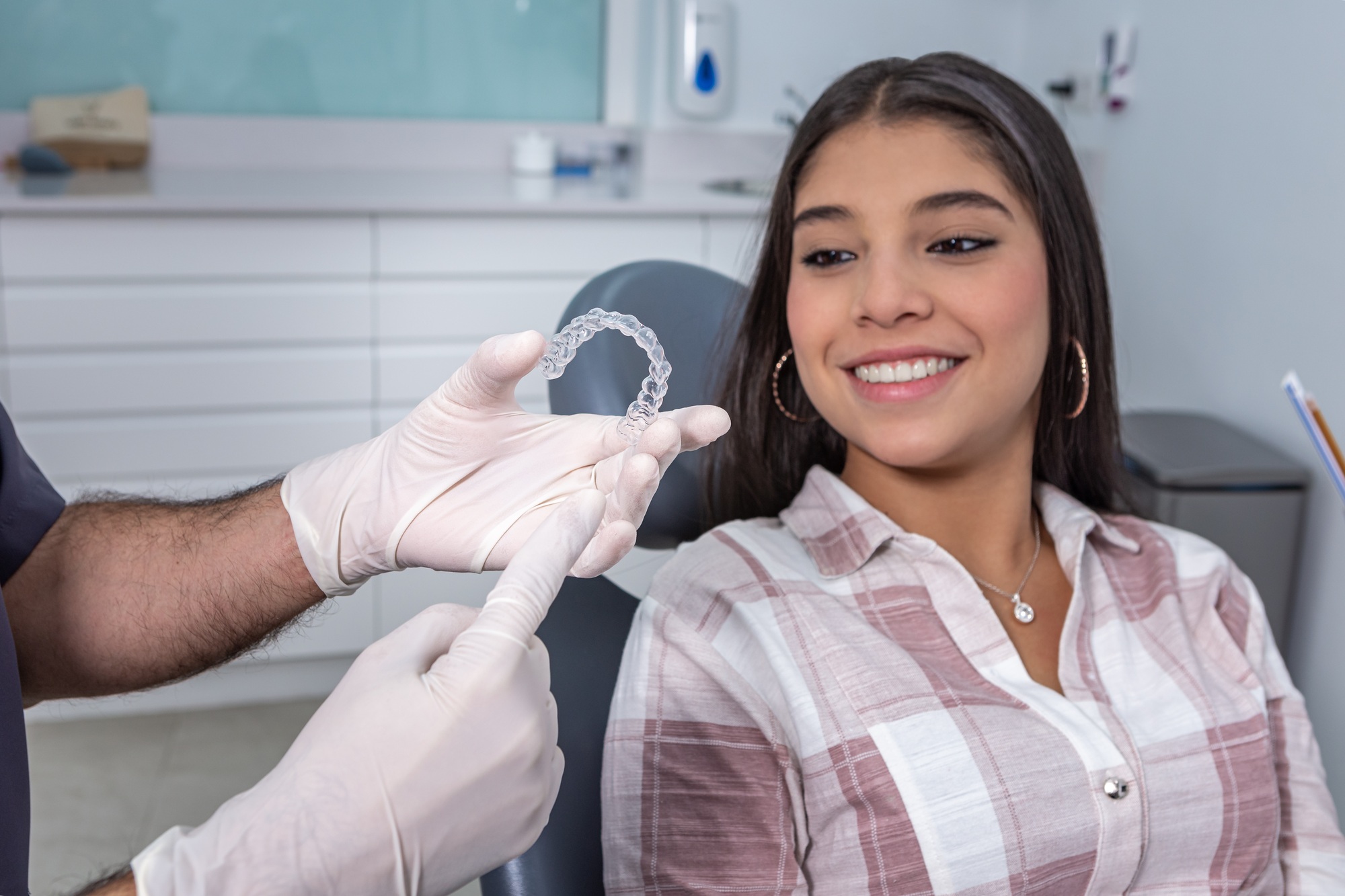
Choosing Between Braces and Aligners
Selecting the right orthodontic treatment for your child or yourself can be a daunting task, especially when considering the differences between braces and clear aligners. Understanding orthodontic needs and considering lifestyle factors can help simplify this decision.
Assessing Orthodontic Needs
Before making a choice, it’s important to assess specific orthodontic needs. Some individuals may have more complex dental issues that traditional braces are better equipped to handle, while others might be suited for clear aligners such as Anthem insurance clear aligners for teens.
| Treatment Option | Best For |
|---|---|
| Traditional Braces | Severe misalignment, complex dental issues |
| Clear Aligners | Mild to moderate alignment cases, aesthetic preferences |
Insurance can significantly reduce orthodontic costs for children under 18, often covering a portion of the expenses. Traditional metal braces are frequently covered more than pricier options like ceramic braces or Invisalign, typically reducing costs by 50% or more (Top Dentist for Kids). Evaluating the complexity of the orthodontic case can assist in determining whether braces or aligners are the best fit.
Lifestyle Considerations
Lifestyle factors play a key role in the decision-making process. Clear aligners offer remarkable convenience as they are removable, making it easier to maintain oral hygiene and enjoy various foods without restrictions. If your teen is involved in sports or activities where braces might be cumbersome or lead to oral injuries, aligners may be a preferable choice.
| Lifestyle Factor | Braces | Clear Aligners |
|---|---|---|
| Oral Hygiene | Requires careful cleaning around brackets | Removable for easy cleaning |
| Dietary Restrictions | Certain foods must be avoided | No restrictions on food |
| Aesthetics | Visible metal brackets | Nearly invisible appearance |
| Comfort | May cause soreness after adjustment | Typically more comfortable initially |
In addition, consider how your child feels about the visibility of traditional braces versus the discreetness of aligners. Clear aligners like Invisalign Teen include special features like eruption tabs to accommodate growing teeth, thus providing flexibility as your child’s mouth develops (Des Moines Cosmetic Dentistry Center).
When evaluating options, it is also beneficial to research insurance coverage, as different plans may offer varying levels of support for braces versus clear aligners. As you weigh the pros and cons, think about your child’s preferences and how they might influence treatment compliance. For more insights on insurance coverage specifics, refer to insurance that covers invisalign treatment.
Dental Insurance Coverage
Understanding the various dental insurance options available to you and your family is essential when considering orthodontic treatment, such as anthem insurance clear aligners for teens. This section will discuss coverage options and provide an overview of Anthem Insurance plans.
Understanding Coverage Options
Dental insurance plans typically include several key components that you should be familiar with:
| Coverage Component | Description |
|---|---|
| Premiums | Monthly payments that you must make to maintain your dental insurance. Most Americans pay about $360 a year, which averages to between $15 and $50 per month. |
| Deductibles | The amount you need to pay out of pocket before your insurance plan begins to cover costs. |
| Copays | A fixed amount you pay for each dentist visit, regardless of the total cost of the service. |
| Coinsurance | A percentage of the cost that you are responsible for after meeting your deductible. |
| Annual Maximums | The highest amount the insurance plan will pay for covered services in a year. |
Different plan networks, such as Preferred Provider Organization (PPO), Dental Health Maintenance Organization (DHMO), and Fee-For-Service plans offer varying coverage options to meet your needs. Stand-alone dental insurance might provide benefits like no waiting periods and no copays for preventive care, giving you flexibility.
Anthem Insurance Plans
Anthem offers various dental plans that cater to different needs and budgets. One of the popular options is the Essential Choice PPO Dental Plan, providing a range of options to save on dental care for individuals or families. This plan allows you to visit any preferred dentist or benefit from savings by choosing a dentist from their PPO network (Anthem).
When considering orthodontic treatments like clear aligners under Anthem insurance, it is essential to verify which procedures are covered and the corresponding reimbursement rates. You may want to explore how their coverage aligns with other major insurance providers, such as Aetna, UHC, and Delta Dental.
If you’re interested in understanding how specific treatments, like Invisalign, are covered under different insurance plans, it might be beneficial to refer to resources such as invisalign treatment covered by anthem dental or insurance that covers invisalign treatment.
Before committing to any treatment, consider reaching out to your dental provider to confirm that they’re in-network with Anthem and review coverage details, ensuring you understand the costs and benefits associated with getting clear aligners for your teen.
Braces Overview
When considering orthodontic options for your child or teen, understanding the types of braces available along with the cost implications is essential. This section provides an overview of various braces types and compares their costs to help you make an informed decision.
Types of Braces
There are several types of braces, each catering to different needs and preferences. Below are some of the most common options:
| Type of Braces | Description | Cost Range |
|---|---|---|
| Traditional Metal Braces | The most common and visible option; metal brackets are attached to teeth and connected by wires. | $3,000 – $7,500 |
| Ceramic Braces | Similar to metal braces but made of clear or tooth-colored materials, making them less noticeable. | $4,000 – $8,000 |
| Lingual Braces | Placed on the back of the teeth for a completely hidden look; often more expensive due to customization. | $5,000 – $13,000 |
| Invisalign (Clear Aligners) | A series of clear, removable aligners that gradually shift teeth. Best for mild to moderate cases. | $3,000 – $7,000 |
Choosing the right type of braces can significantly impact the comfort and effectiveness of treatment. Factors such as visibility, comfort, and treatment time should be considered based on your child’s or teen’s lifestyle.
Cost Comparison
Understanding the cost of braces versus clear aligners can be a deciding factor for many families. Below is a comparison of costs related to different orthodontic treatments, including potential out-of-pocket expenses:
| Treatment Type | Typical Cost Range | Insurance Coverage |
|---|---|---|
| Traditional Metal Braces | $3,000 – $7,500 | Often widely covered |
| Ceramic Braces | $4,000 – $8,000 | Frequently covered, varying by plan |
| Lingual Braces | $5,000 – $13,000 | Less commonly covered |
| Invisalign | $3,000 – $7,000 | Varies by provider; check coverage options here |
Invisalign treatment costs typically range between $2,500 and $12,000 based on complexity, as discussed in the extra context (Orthodontist Bellevue). While clear aligners may be more expensive than traditional braces, they offer a comfortable and virtually invisible solution for straightening teeth.
For many parents in Mesa, Tempe, Chandler, and surrounding areas, understanding the varying costs and coverage with provider networks like Aetna, Delta Dental, and UHC can help you make the best decision when choosing between Anthem insurance clear aligners for teens or traditional braces.
Clear Aligners Overview
Benefits of Clear Aligners
Clear aligners, such as Invisalign, offer numerous advantages for both teens and adults considering orthodontic treatment. One of the primary benefits is their aesthetic appeal; these aligners are virtually invisible, allowing wearers to straighten their teeth discreetly. This aspect is especially appealing for teens who might feel self-conscious about their appearance during treatment.
Another significant advantage is the convenience they provide. Clear aligners are removable, which means users can take them out during meals and while brushing their teeth. This ease of use encourages better oral hygiene, making it simpler to maintain healthy teeth and gums throughout the treatment process. Additionally, the aligners are custom-made for each individual, ensuring a comfortable fit with minimal irritation to the gums.
The treatment process is also generally shorter when compared to traditional braces. Many teens can achieve their desired results in about 12 to 18 months, which is comparable to braces but often with fewer office visits. For more detailed insights on insurance coverage for clear aligners, check our resource on insurance that covers invisalign treatment.
Cost of Invisalign
The cost of Invisalign treatment typically ranges from $2,500 to $12,000, depending on the complexity of the case and the length of treatment (Orthodontist Bellevue). Here is a simplified cost breakdown:
| Treatment Complexity | Estimated Cost |
|---|---|
| Mild Cases | $2,500 – $5,500 |
| Moderate Cases | $6,000 – $8,000 |
| Severe Cases | $9,000 – $12,000 |
Dental insurance plans usually cover about 50% of the cost of orthodontic treatment, with coverage limits that range from $1,000 to $4,000 as a lifetime maximum (Orthodontist Bellevue). It’s worth noting that these benefits apply to both traditional braces and clear aligners.
Additionally, using Flexible Spending Accounts (FSA) or Health Savings Accounts (HSA) can make these costs more manageable. Individuals can allocate pre-tax money to cover aligner treatment expenses, providing further financial relief (Orthodontist Bellevue).
Invisalign may be the right choice if you’re looking for a convenient, flexible orthodontic solution for your teen. For more details on provider options, explore our guides like invisalign treatment covered by anthem dental and insurance accepted for teen invisalign.
Orthodontic Treatment for Teens
Invisalign for Teenagers
Invisalign Teen aligners are specifically designed for teenagers, featuring eruption tabs that allow space for molars that are still growing. This unique design accommodates the changing dental needs of teens, making it a flexible option for orthodontic treatment. Similar to traditional Invisalign, these aligners offer benefits such as removable trays, enhanced comfort, fewer office visits, and no food restrictions. This makes it easier for teens to maintain good oral hygiene and enjoy their favorite foods without worrying about breakage or restrictions.
The treatment process for teens using Invisalign is typically shorter compared to traditional braces, which is attractive to both teenagers and their parents. The ability to track treatment progress through specialized software also helps in monitoring the effectiveness of the aligners.
Insurance Coverage for Teens
When considering Invisalign treatment, it is important to understand the insurance coverage options available for teens. Anthem provides a range of dental plans that can significantly reduce the out-of-pocket expenses for medically necessary orthodontic work for children.
While specific coverage can vary based on the insurance plan, many dental insurance policies include provisions for orthodontic treatments. Typically, dental insurance costs about $360 a year, translating to monthly payments ranging from $15 to $50 depending on the state and details of the coverage (Anthem).
Many orthodontic practices offer no-interest financing options that cover all aspects of orthodontic care, such as office visits, x-rays, and appliances like Invisalign or clear aligners. Be sure to confirm with your orthodontist about what your insurance covers. For more information, check out our guide on insurance that covers Invisalign treatment.
Understanding your insurance options, especially if you have specific providers like Aetna or Delta Dental, is vital in making an informed choice for your teen’s orthodontic care. Consider looking into invisalign treatment covered by anthem dental, or explore plans that might be in network with your current provider. This will help ensure you get the best value while giving your teenager the beautiful smile they desire.
Orthodontic Care for Children
Early Orthodontic Treatment
You may want to consider early orthodontic treatment for your child, which is generally recommended to begin between ages 8 and 14. During this period, a child’s jaw is still growing, making it easier to guide their teeth into the correct position (Top Dentist for Kids). Early intervention can help prevent more severe issues later on and can sometimes reduce the need for more extensive treatments in the future.
| Age Range | Benefits of Early Treatment |
|---|---|
| 8-10 | Assess bite issues and begin alignment |
| 11-12 | Manage spacing and creating room for permanent teeth |
| 13-14 | Final adjustments as jaw growth is nearing completion |
By addressing orthodontic needs early, you can potentially save on costs and reduce the overall treatment duration.
Types of Braces for Kids
When it comes to braces for kids, there are several options to choose from, each with their advantages and considerations. Below are some common types of braces:
| Type of Braces | Description | Average Cost Range |
|---|---|---|
| Traditional Metal Braces | Made of stainless steel, these are the most common type of braces. Effective for various issues. | $3,000 – $7,000 |
| Ceramic Braces | Made of clear or tooth-colored materials, less visible than metal braces. | $4,000 – $8,000 |
| Lingual Braces | Placed behind the teeth for a hidden appearance. | $8,000 – $10,000 |
| Invisalign | Clear, removable aligners customized for your child’s teeth. Best for mild to moderate cases. | $3,000 – $7,000 |
Insurance can significantly reduce the orthodontic costs for kids under 18, usually covering a portion of the expenses for braces. It typically provides better coverage for traditional metal braces compared to pricier options like ceramic brackets or Invisalign. While coverage can vary, it generally reduces costs by 50% or more (Top Dentist for Kids).
Ensure you check what options are covered by your insurance plan for anthem insurance clear aligners for teens, and consider consulting with your orthodontist to find the best solution tailored to your child’s needs.


